Fro Sound
Fro Sound is a body of water located in the Norwegian Sea off the coast of west-central Norway. It serves as a significant commercial artery at the entrance…
What is Fro Sound?
Fro Sound is a body of water located in the Norwegian Sea off the coast of west-central Norway. It serves as a significant commercial artery at the entrance to Trondheims Fjord, stretching approximately 35 miles (55 km) between the Froan Islands and the Fosna Peninsula in the Sør-Trøndelag region. The area is characterized by small fishing villages situated along its shores.1
It is important to clarify that “Fro Sound” refers to this specific geographical feature; it should not be confused with the term “’fro,” which is a colloquial abbreviation for an afro hairstyle.2
What is the geography of the Norwegian Sea?
The Norwegian Sea is a section of the North Atlantic Ocean defined by its unique position and physical characteristics:
- Boundaries: It is bordered by Greenland and the Barents Sea to the northwest and northeast, Norway to the east, and Iceland and Jan Mayen to the west. To the south, it connects to the North Sea, the Faroe Islands, and the open Atlantic.3
- Depth and Salinity: The sea reaches a maximum depth of approximately 13,020 feet (3,970 meters) and maintains a salinity of about 35 parts per 1,000.3
- Submarine Features: A submarine ridge linking Greenland, Iceland, the Faroe Islands, and northern Scotland separates the Norwegian Sea from the open Atlantic.3
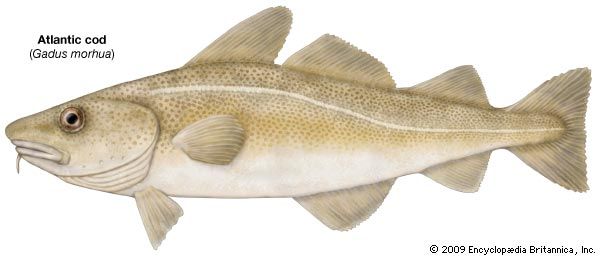
- Climate and Currents: The warm Norway Current flows northeastward, keeping the region generally ice-free. The mixing of these warm waters with colder currents creates productive fishing grounds for species such as cod, herring, and whitefish.3
How do fjords form in Norway?
Fjords in Norway are long, narrow, and deep arms of the sea formed through the process of glaciation during the Quaternary Period. Their formation is primarily attributed to the following geological sequence:67
- Pre-glacial Erosion: Before the ice ages, rivers carved V-shaped valleys into the landscape, often following fracture lines and weaknesses in the Earth’s crust.7
- Glacial Scouring: During the Great Ice Age, massive glaciers moved through these existing valleys. Because glaciers have high viscosity and mass, they eroded the valley floors and sidewalls far more aggressively than rivers, transforming the V-shaped channels into characteristic U-shaped valleys.689
- Deepening: The immense weight and thickness of these glaciers allowed them to erode the bedrock to depths far below sea level.6
- Marine Inundation: As the climate warmed and the glaciers melted, the sea flooded these deep, U-shaped troughs, creating the fjords seen today.610
While some debate exists regarding the extent to which tectonic activity contributed to the initial valley structures, the deep, steep-walled nature of Norwegian fjords is widely accepted as a result of intense glacial erosion.610
What are the Froan Islands known for?
The Froan Islands are located in the Norwegian Sea off the coast of west-central Norway. They are primarily known for their proximity to Fro Sound, a busy commercial artery that serves as an entrance to the Trondheims Fjord. The islands are situated to the west of this sound, and their shores, along with those of the nearby mainland, are home to small fishing villages.1
Sources
- Fro Sound — Encyclopædia Britannica
- 'fro — Merriam-Webster
- Norwegian Sea — Encyclopædia Britannica
- North Sea - Physiography — Encyclopædia Britannica
- Norway Deep — Encyclopædia Britannica
- fjord — Encyclopædia Britannica
- Norway - Relief — Encyclopædia Britannica
- glacial valley — Encyclopædia Britannica
- glacial landform - Cirques , tarns, U-shaped valleys, arêtes, and horns — Encyclopædia Britannica
- glacial landform - Erosional landforms of continental glaciers — Encyclopædia Britannica
- Norway - History — Encyclopædia Britannica
- Tonga - Plant and animal life — Encyclopædia Britannica
- Iceland - Settlement ( c. 870– c. 930) — Encyclopædia Britannica
Published on · 2 min read