Georges Bank
Georges Bank is a submerged sandbank located in the Atlantic Ocean east of Massachusetts, U.S. It is a historically fertile fishing ground, though navigation…
What is Georges Bank?
Georges Bank is a submerged sandbank located in the Atlantic Ocean east of Massachusetts, U.S. It is a historically fertile fishing ground, though navigation in the area is frequently hazardous due to dense fog and strong crosscurrents.12
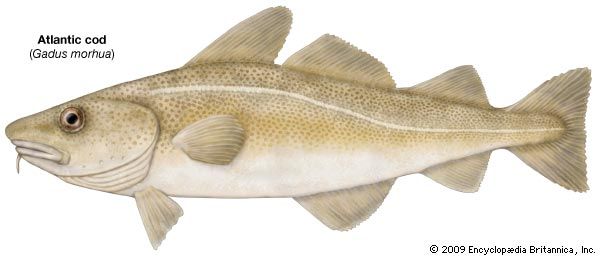
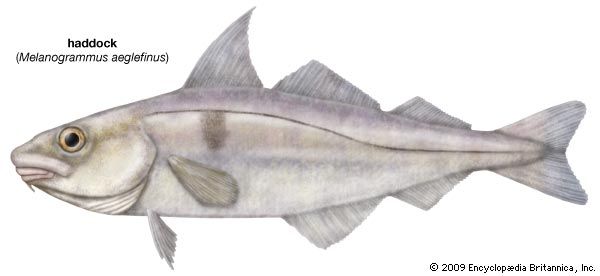
The region is noted for its scallop harvests, particularly in its northeastern sections. Historically, the bank supported significant populations of groundfish, such as cod, haddock, and yellowtail flounder. However, due to severe overfishing, large portions of the bank were closed to ground fishing in 1994 to allow these depleted stocks to recover. Geographically, the bank is sometimes associated with the submarine plateaus that extend toward the Grand Banks off the coast of Newfoundland. Grand Banks off the coast of Newfoundland.13
What is the continental shelf?
A continental shelf is a broad, relatively shallow submarine terrace of continental crust that forms the edge of a continental landmass. These shelves represent a continuation of the continent beneath the ocean and account for approximately 8 percent of the total ocean floor area.45
Structure and Characteristics
Typically, a continental shelf extends from the coast to depths of 100–200 metres (330–660 feet), with an average width of about 65 km (40 miles). They are generally inclined seaward at a gentle slope of about 0.1° and terminate at an abrupt drop known as the shelf break, which transitions into the steeper continental slope. The surface of a shelf is often covered in sand, silts, and mud, featuring a rolling topography of ridges and depressions.564
Economic Importance
Continental shelves are vital to the global economy, hosting most of the world’s major fisheries and serving as significant sites for oil and natural gas exploration. Because they are composed of thick accumulations of sedimentary rock, they are the most likely locations for large, undiscovered petroleum deposits.78
How do ocean currents like the Gulf Stream affect marine life?
Ocean currents, such as the Gulf Stream, play a fundamental role in shaping marine life by acting as conduits for transport and environmental regulation. These currents move nutrients, seeds, and organisms across vast distances, both horizontally and vertically, which helps determine the geographic range of various species.1112
The Gulf Stream specifically influences marine ecosystems in several key ways:
- Larval Transport: The current acts as a vital transport mechanism for larvae, allowing species to colonize new areas. For example, the successful recruitment of European eels depends on the Gulf Stream to carry them from their spawning grounds in the Sargasso Sea back to Europe.1213
- Species Distribution: By transporting tropical larvae to higher latitudes, the current facilitates a “tropical infusion” into colder regions, supporting the development of cold-temperate coral reefs.12
- Nutrient Availability: The interaction between the warm Gulf Stream and colder waters creates turbulence, which brings nutrient salts to the surface. This process historically made regions like the Grand Banks some of the most productive fishing grounds in the world.14
What are the consequences of overfishing on ocean ecosystems?
Overfishing is considered the greatest threat to marine biodiversity, leading to severe consequences for ocean ecosystems and the communities that depend on them.16
Ecological Consequences
- Trophic Cascades: Overfishing disrupts the natural balance of predators and prey. The removal of top carnivores—such as sharks, tunas, and cod—triggers a trophic cascade. This can lead to “mesopredator release,” where smaller predators increase in number and overconsume their prey, or cause shifts in phytoplankton levels that alter nutrient cycling and ecosystem structure.1718
- Habitat Destruction: Commercial methods like bottom trawling physically plow the seafloor, crushing and burying corals, sponges, and other essential bottom-dwelling species. This destroys critical habitats that support diverse marine life.1918
- Population Collapse: By targeting the largest and oldest individuals, overfishing reduces the reproductive capacity of stocks, making them less resilient and prone to commercial extinction, as seen in the collapse of the North Atlantic cod industry.18
Broader Impacts
Overfishing results in a loss of ecosystem services, such as the carbon sequestration provided by healthy kelp forests, and threatens the economic stability of local communities.18
Sources
- Georges Bank — Encyclopædia Britannica
- Georges Bank — Merriam-Webster
- Grand Banks — Encyclopædia Britannica
- continental shelf - Structure — Encyclopædia Britannica
- continental shelf — Encyclopædia Britannica
- continental shelf - Origin — Encyclopædia Britannica
- continental slope — Encyclopædia Britannica
- continental margin — Encyclopædia Britannica
- continental margin - Economic importance of continental margins — Encyclopædia Britannica
- Bering Sea and Strait - Biological and mineral resources — Encyclopædia Britannica
- How Do Ocean Currents Affect the Biosphere? — Encyclopædia Britannica
- Marine ecosystem - Ocean currents — Encyclopædia Britannica
- Gulf Stream — Encyclopædia Britannica
- Gulf of Mexico / Gulf of America - Study and the impact of human activity — Encyclopædia Britannica
- Marine ecosystem - Migrations of marine organisms — Encyclopædia Britannica
- conservation - In the oceans — Encyclopædia Britannica
- trophic cascade — Encyclopædia Britannica
- overharvesting — Encyclopædia Britannica
- conservation - Fishing — Encyclopædia Britannica
Published on · 3 min read