Galangal
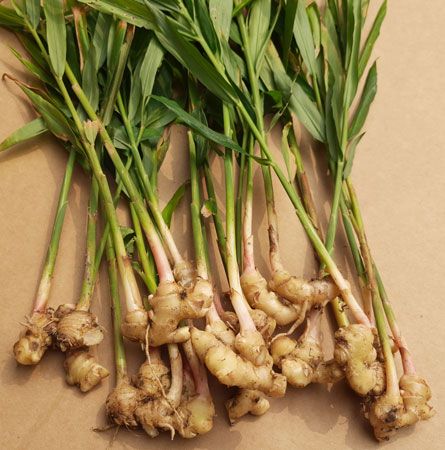
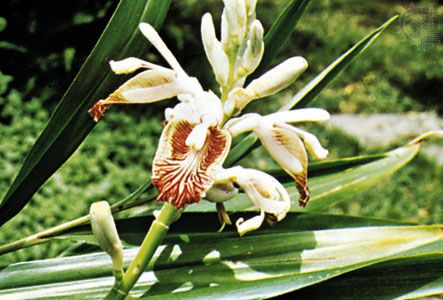
Galangal is a reddish-brown rhizome derived from several plants in the Alpinia genus. While it belongs to the same plant family as ginger—Zingiberaceae—it is…
What is galangal?
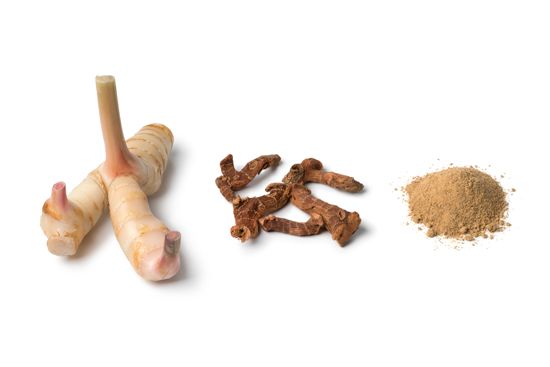
Galangal is a reddish-brown rhizome derived from several plants in the Alpinia genus. While it belongs to the same plant family as ginger—Zingiberaceae—it is distinct for its sharper flavor profile, which features notes of citrus, pepper, and pine.1
Commonly used in the Indian subcontinent and Southeast Asia, galangal is a staple in dishes like Thai curries and tom yum soup. Although it resembles ginger, its flesh is tougher and typically removed before consumption. Beyond its culinary applications, it is utilized in traditional Ayurvedic medicine to aid digestion, treat flatulence, and address respiratory issues. Research also suggests potential antimicrobial and anti-inflammatory properties.12
What are the key differences between galangal and ginger?
While galangal and ginger are both members of the Zingiberaceae family and share a similar appearance, they possess distinct physical and culinary characteristics.
Physical Differences
- Appearance: Galangal has a smoother outer surface compared to ginger. When sliced, the interior of a galangal rhizome is paler than that of ginger.21
- Texture: The flesh of galangal is significantly tougher than that of ginger, making it inedible; it is typically removed from dishes before serving.21
Flavor Profile
- Taste: Galangal offers a much stronger, sharper flavor than ginger. It features distinct notes of pepper, citrus, and pine.21
- Comparison: Ginger is generally milder and less sweet than the more pungent galangal.1
Because of these differences, they are not always interchangeable in recipes, though they are both essential components in many Southeast Asian and Indian cuisines.1
Which Southeast Asian dishes commonly feature galangal?
Galangal is a fundamental ingredient in Southeast Asian cuisine, prized for its sharp, citrusy, and peppery notes. It is a key component in several iconic dishes, most notably:
- Thai Curries: Galangal provides a signature depth and aromatic complexity to various traditional curries.
- Tom Yum Soup: This famous hot and sour soup relies on the distinct, pine-like fragrance of fresh galangal to balance its bold flavors.
Beyond these staples, the rhizome is frequently incorporated into:
- Meat Marinades: Its potent flavor profile helps tenderize and season various proteins.
- Condiments and Vinegars: It serves as a base or aromatic enhancer for a variety of regional sauces.
- Beverages: Galangal is also utilized to infuse flavor into specific liqueurs and teas.1
Because the rhizome is quite tough, it is typically peeled and sliced or minced before being added to these preparations, and it is often removed from the dish before serving to ensure the best texture.1
How is galangal used in traditional Ayurvedic medicine?
In Ayurvedic medicine, galangal is valued for its therapeutic properties, primarily through the application of its essential oils.2
Traditional practices utilize the rhizome to address several health concerns, including:
- Digestive Health: It is commonly used to aid digestion and treat flatulence.12
- Respiratory Support: It is employed to help ease various respiratory illnesses.12
- General Wellness: Research into specific species, such as Alpinia calcarata, suggests that the plant may possess properties effective against inflammation, parasites, and both bacterial and fungal infections.12
While these traditional uses are well-documented in the context of Ayurvedic history, it is important to note that galangal is often cultivated in home gardens rather than through large-scale, standardized agricultural practices, which can lead to variations in the specific species used in medicinal preparations.2
Sources
- galangal — Encyclopædia Britannica
- galangal: Top Questions — Encyclopædia Britannica
Published on · 2 min read