Galapagos Penguin
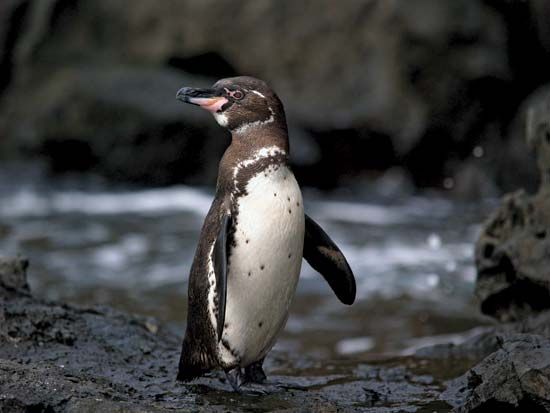
The Galapagos penguin (Spheniscus mendiculus) is found primarily in the western part of the Galapagos Islands, specifically on the islands of Isabela…
Where are Galapagos penguins found, and why are they unique among penguin species?
The Galapagos penguin (Spheniscus mendiculus) is found primarily in the western part of the Galapagos Islands, specifically on the islands of Isabela, Fernandina, and Santa Cruz.1
This species is unique among penguins for several reasons:
- Equatorial Habitat: It is the only penguin species that lives at the Equator, making it the most northerly of all penguin species.123
- Nesting Behavior: Unlike most other penguin species, Galapagos penguin chicks do not join “crèches” (groups) while being raised.1
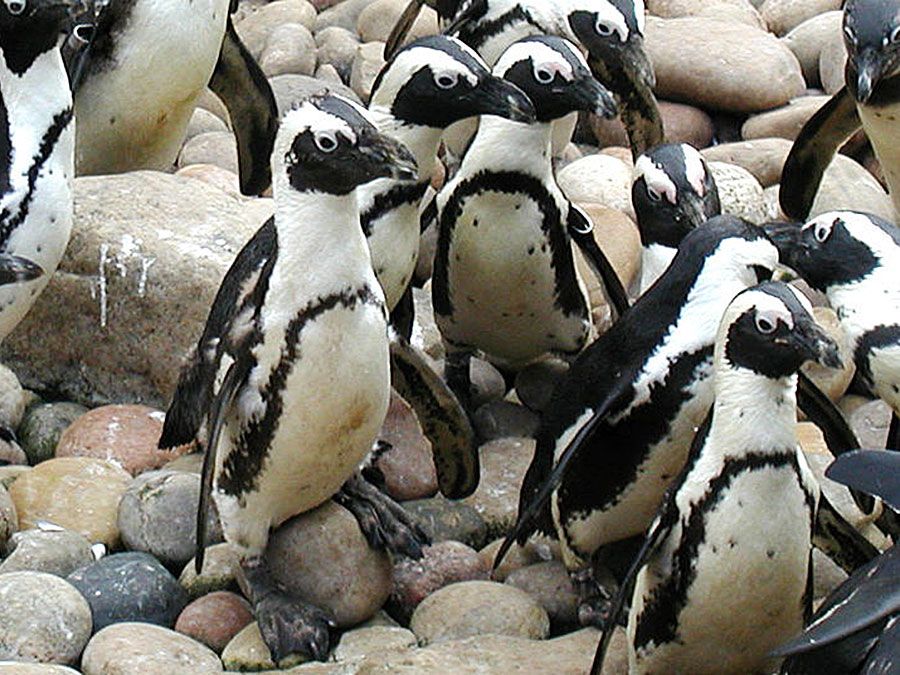
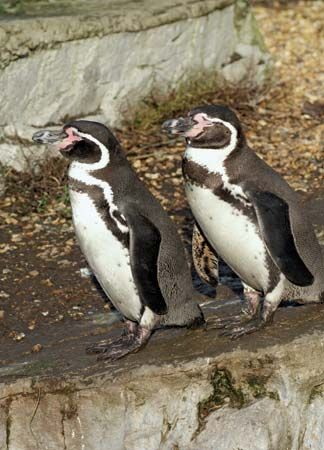
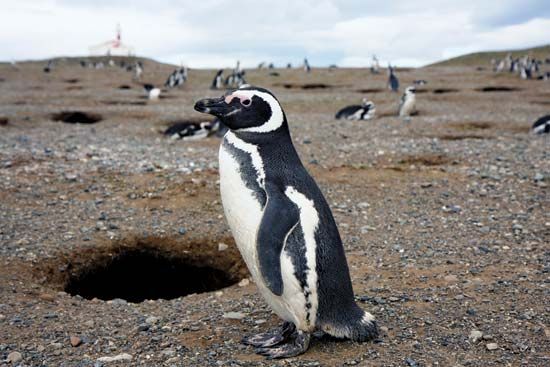
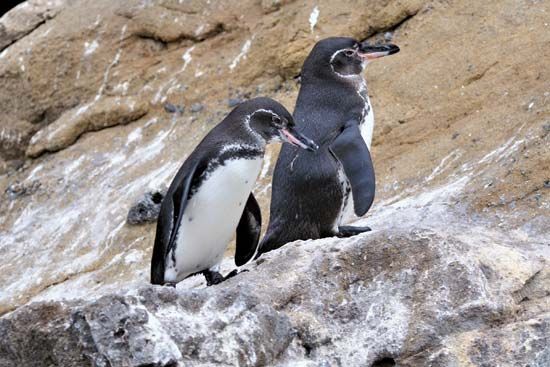
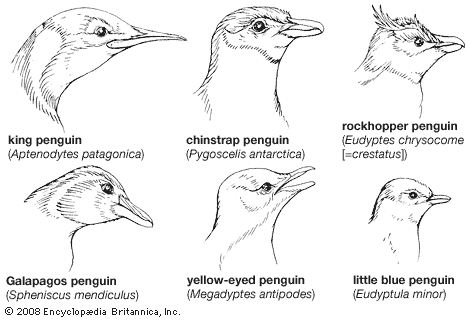
- Physical Appearance: They possess thinner C-shaped white head markings compared to their relatives in the Spheniscus genus, such as the African, Humboldt, and Magellanic penguins.1
- Breeding: They are capable of producing young throughout the year, with prolific pairs potentially raising up to three clutches of eggs annually.1
Due to their small population and susceptibility to environmental shifts like El Niño, they have been listed as endangered since 2000.1
What role do Galapagos penguins play in their ecosystem?
In their ecosystem, Galapagos penguins function as both predators and prey, occupying a specific niche within the marine environment of the Galapagos Islands.
- As Predators: They play a role in controlling populations of small fish, such as sardines and mullet, as well as crustaceans. By hunting in groups, they efficiently capture prey from the water, which helps regulate the availability of these species in their local habitat.1
- As Prey: They serve as a food source for various predators. In the water, they are hunted by sharks and Galapagos fur seals. On land, they are vulnerable to native predators like the Galapagos hawk, as well as introduced predators such as dogs, cats, and rats.1
Their presence is also a key indicator of the health of the surrounding marine ecosystem, as their survival is closely tied to the nutrient-rich upwellings of the Peru Current. Disruptions to these currents, such as those caused by El Niño, significantly impact their food supply and population stability.1
How do Galapagos penguins differ from other penguin species in terms of behavior?
Galapagos penguins exhibit several distinct behavioral differences compared to other penguin species, largely driven by their unique equatorial environment:
- Absence of Crèches: Unlike most other penguin species, Galapagos penguin chicks do not form “crèches” (communal groups) while being raised by their parents.1
- Year-Round Breeding: While many penguin species have highly synchronized, seasonal breeding cycles, Galapagos penguins can produce young throughout the year. Prolific pairs are capable of raising up to three clutches of eggs annually.15
- Nesting Sites: They build their nests using rocks and twigs or within lava rock depressions near the shoreline, rather than the large, open colonies often seen in other species.1
- Hunting Strategy: They frequently hunt in groups, pursuing prey in the water and capturing it from the side or from below.1
While they share the trait of monogamy with many other penguin species, their commitment can be strained by the food shortages associated with El Niño events, which are a recurring challenge in their habitat.5
How do Galapagos penguins breed and care for their young?
Galapagos penguins exhibit unique breeding habits tailored to their equatorial environment. Unlike many other species, they can breed throughout the year, with prolific pairs producing up to three clutches of eggs annually.7
Nesting and Incubation
Nests are constructed using rocks and twigs or situated within lava rock depressions near the shoreline. Females typically lay two eggs, which are deposited within four days of each other. Incubation is shared equally between both parents and lasts between 38 and 42 days.7
Chick Rearing
Once hatched, the chicks are cared for by both parents, who alternate feeding and guarding duties on a daily basis for the first 30 days. Unlike most other penguin species, Galapagos penguin chicks do not form crèches. Instead, they remain in the nest until they are 60 days old, receiving periodic feedings. Fledging occurs at 60–65 days, and the young become fully independent between 3 and 6 months of age.7
These monogamous birds face significant challenges during El Niño events, which can cause food shortages and strain their breeding success.67
Sources
- Galapagos penguin — Encyclopædia Britannica
- penguin — Encyclopædia Britannica
- Why are there no penguins at the North Pole? — Encyclopædia Britannica
- Magellanic penguin — Encyclopædia Britannica
- How do penguins stay warm? — Encyclopædia Britannica
- Are penguins monogamous? — Encyclopædia Britannica
- penguin - Reproduction — Encyclopædia Britannica
Published on · 4 min read