Gall Fly
A gall fly is not a single species, but rather a term used for various insects that induce abnormal growths, known as galls, in the plant tissues where they…
What is gall fly?
A gall fly is not a single species, but rather a term used for various insects that induce abnormal growths, known as galls, in the plant tissues where they feed.1
This group encompasses several insect orders, including:
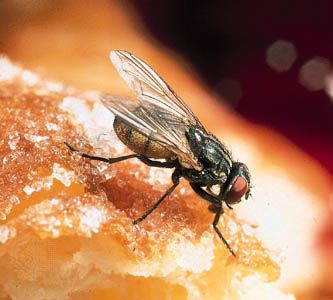
- Diptera: Includes gall midges and certain fruit flies.1
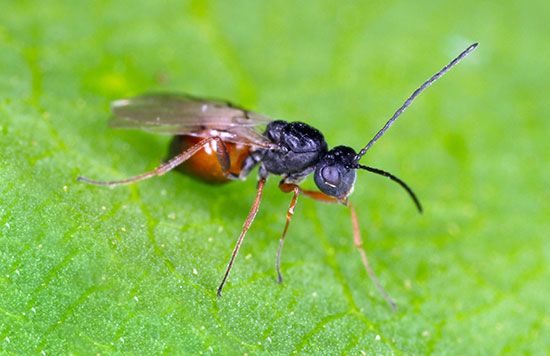
- Hymenoptera: Includes gall wasps.1
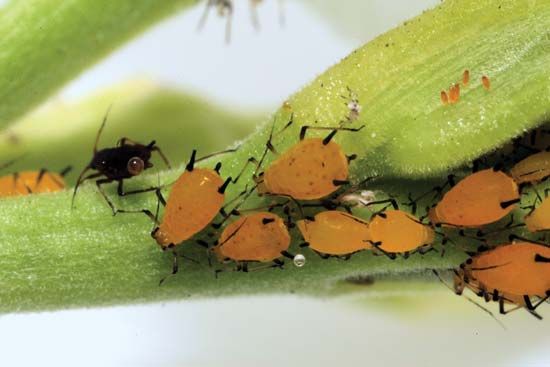
- Homoptera: Includes certain aphids.1
- Lepidoptera: Includes specific species of moths.1
The formation of these galls typically occurs when a female deposits an egg into plant tissue. Once the larva hatches, it releases substances that trigger the plant to proliferate around it, providing both food and protection. In other cases, such as with moths, the larva may bore into the plant, or the plant tissue may grow over a feeding nymph. These galls are often unique to the specific insect species that creates them, with the goldenrod gall fly being a well-known example.1
How do plants react to the presence of gall larvae?
Plants react to the presence of gall larvae by producing abnormal growths known as galls, which serve as both a habitat and a food source for the developing insects.13
This process is typically triggered by the mechanical or chemical stimuli associated with egg-laying within plant tissues, followed by the subsequent feeding activities of the hatching larvae or nymphs. In many species of Diptera and Hymenoptera, the larvae release specific substances that cause the surrounding plant tissue to proliferate. In other instances, such as with certain Homoptera, the plant tissue simply grows over the feeding nymph.13
These galls are highly specific, as different insect species induce the formation of distinct, characteristic types of growths on their host plants. While plants possess various defenses against general herbivory—such as chemical compounds, spines, or structural toughness—gall-making insects have evolved to manipulate plant development to their own advantage.134
What is the life cycle of a goldenrod gall fly?
The goldenrod gall fly (Eurosta solidaginis) undergoes a specialized life cycle centered on the goldenrod plant.
- Egg-laying: In the spring, the adult female deposits an egg into the terminal bud of a goldenrod stem.1
- Gall Formation: Upon hatching, the larva begins feeding on the plant tissue. It secretes substances that stimulate the plant to grow a spherical, protective swelling known as a gall around the larva.1
- Development: The larva remains inside this gall throughout the summer and autumn, feeding on the interior tissue and gaining protection from the environment and some predators.1
- Overwintering: The larva spends the winter in a state of diapause inside the gall, which provides insulation against freezing temperatures.1
- Emergence: In the following spring, the larva pupates and eventually emerges as an adult fly, completing the cycle.1
Do other insects besides flies create galls?
Yes, many insects other than flies are capable of creating galls. While the term “gall fly” refers to specific species within the order Diptera, the ability to induce these abnormal plant growths is found across several insect groups.1
Other primary gall-making insects include:
- Hymenoptera: This order includes gall wasps (family Cynipidae), which are well-known for creating characteristic galls on plants like oak trees and roses. Some species, such as the mossy rose gall wasp, can produce complex structures housing multiple larvae.14
- Homoptera: Approximately 60 species in this group, including aphids, psyllids, and coccids, induce galls. Aphids are responsible for the majority of these, such as the elm cockscomb gall.15
- Lepidoptera: Certain species of moths also create galls, typically by boring into plant tissues during their larval stage.1
Each of these insects has evolved to manipulate plant development, often through chemical stimuli that cause the plant to proliferate tissue around the feeding larva.14
Sources
- gall fly — Encyclopædia Britannica
- gallfly — Merriam-Webster
- Eating the rainforest — Encyclopædia Britannica
- homopteran - Formation of galls — Encyclopædia Britannica
- gall wasp — Encyclopædia Britannica
Published on · 3 min read