Gladiator Bug
All extant species of gladiator bugs (order Mantophasmatodea) are predacious, meaning they feed on other animals. Their hunting behavior relies on modified…
What is the diet and hunting behavior of gladiator bugs?
All extant species of gladiator bugs (order Mantophasmatodea) are predacious, meaning they feed on other animals. Their hunting behavior relies on modified raptorial legs, which allow them to grasp and capture their prey.1
The specific hunting strategy varies by species:
- Some, such as Tyrannophasma gladiator, are capable of capturing prey that is equal in size to themselves.1
- Others, like Praedatophasma maraisi, are slow-moving and primarily capture prey that they encounter while crawling on the ground.1
Most gladiator bugs are nocturnal, emerging at night to hunt and feed, though a few diurnal species exist. They are found in hot, dry environments in parts of Africa, specifically Tanzania and the Karoo-Namib region.1
Where are gladiator bugs typically found in nature?
Gladiator bugs (order Mantophasmatodea) are found exclusively in specific regions of Africa. All extant species inhabit hot, dry environments, specifically within Tanzania in East Africa or the Karoo-Namib region of southern Africa.1
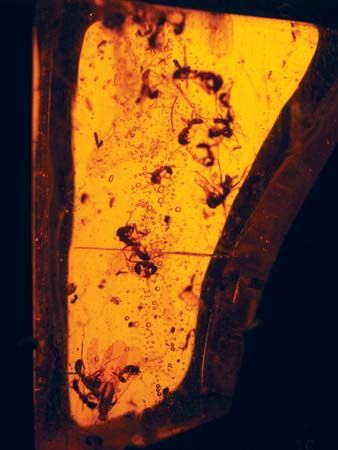
While these insects are currently limited to these African regions, fossil evidence indicates a broader historical distribution; specimens have been discovered in Baltic amber dating back to the Eocene Epoch, approximately 45 million years ago.1
How do gladiator bugs compare to other predatory insects in terms of size and strength?
Gladiator bugs (order Mantophasmatodea) are often compared to mantids and walkingsticks due to their superficial physical resemblance, though they are phylogenetically distinct from both. In terms of size and predatory strength, they exhibit significant variation across their 15 known species:
- Size: Adults range from as small as 5.8 mm (0.2 inch) in Adicophasma spinosa to 32.0 mm (1.3 inch) in Tyrannophasma gladiator, which is the largest species in the order.
- Strength and Predatory Ability: Their predatory capability is largely defined by their modified raptorial legs, which allow them to grasp and secure prey. While some species are slow-moving and opportunistic, capturing smaller prey they encounter on the ground, others—most notably T. gladiator—possess the strength to attack and capture prey equal to their own body size.
Unlike many other predatory insects, gladiator bugs are wingless as adults and are characterized by their unique “heelwalker” gait, where they hold the last segment of their legs in the air.
What is a gladiator bug and why is it called that?
A gladiator bug (order Mantophasmatodea) is a type of insect found exclusively in specific regions of Africa, including Tanzania and the Karoo-Namib area of southern Africa.1
The common name “gladiator bug” is derived from the insect’s stout appearance and its predatory behavior. These insects possess modified raptorial legs that allow them to grasp and secure prey, with some species displaying enough strength to capture prey equal to their own body size.1
While they superficially resemble mantids and walkingsticks, they are distinct from both. They are often called “heelwalkers” because they hold the last segment of their legs in the air, creating the appearance that they are walking on their heels. Interestingly, despite their name, they are most closely related to ice bugs rather than the insects they resemble.1
Sources
- gladiator bug — Encyclopædia Britannica
- assassin bug — Encyclopædia Britannica
- List of insects - order Mantophasmatodea — Encyclopædia Britannica
Published on · 2 min read