Ganghwa Island
Ganghwa Island is an island located in the Gyeonggi province of northwestern South Korea. Situated in the Yellow Sea at the mouth of the Han River, northwest…
What is Ganghwa Island?
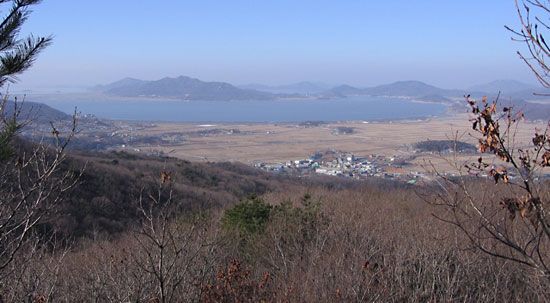
Ganghwa Island is an island located in the Gyeonggi province of northwestern South Korea. Situated in the Yellow Sea at the mouth of the Han River, northwest of Incheon, the island covers approximately 163 square miles (422 square km).1
The island’s landscape is characterized by hilly but fertile terrain, which supports the production of rice and various other crops. Notably, it is recognized as one of the country’s primary regions for ginseng cultivation. Historically, the island was the site of temporary military seizures by the French in 1866 and by Americans in 1871. As of 2020, the island had a population of 66,020, with its principal towns being Ganghwa in the northeast and Dongmak in the south.1
Why is ginseng cultivation important to the region?
Ginseng cultivation is significant to Ganghwa Island because the region is one of South Korea’s leading areas for producing this highly valued medicinal herb.1
Asian ginseng is native to Korea and has a long history of use as a medicinal herb and a stimulating tea. The plant is prized for its pharmacological properties, which are believed to improve mental performance, learning, memory, and sensory awareness by increasing the brain’s adrenocorticotropic hormone activity. Because these plants typically require five to seven years to mature from seed, the specialized agricultural environment of Ganghwa Island plays a vital role in sustaining the supply of this traditional panacea.2
What was the significance of the Han River’s location for the island?
The location of Ganghwa Island at the mouth of the Han River is strategically significant due to the river’s historical role as a vital transportation artery.
Because the Han River has been a valuable route for navigation and trade since ancient times—particularly during the Joseon dynasty—the island’s position at its terminus placed it at a critical gateway for movement between the Korean peninsula’s interior and the Yellow Sea. This proximity to a major navigable waterway likely facilitated the transport of agricultural goods produced in the river’s extensive drainage basin and served as a focal point for maritime access to the region, including the nearby city of Incheon.11
How did the 1866 French and 1871 American incursions impact Korean history?
The 1866 French incursions and the 1871 American expedition were pivotal in shaping Korea’s late 19th-century foreign policy. Rather than forcing an immediate opening of the country, these military confrontations served to harden the resolve of the Daewon-gun, the de facto ruler acting for King Gojong.4
Following the successful repulsion of French warships and the departure of the American flotilla, the Daewon-gun intensified his policy of national exclusionism. These defensive victories reinforced the government’s determination to keep Korea’s doors closed to Western trade and diplomatic influence.4
However, this isolationist stance eventually faced internal opposition and external pressure. The financial burdens of the Daewon-gun’s policies and the subsequent rise of Queen Min’s faction led to a shift in state direction. This transition, coupled with Japan’s later use of coercive diplomacy—such as the 1875 incident near Ganghwa Island—ultimately broke the policy of exclusion, leading to the Treaty of Ganghwa in 1876 and the eventual opening of Korean ports to foreign powers.45
Sources
Published on · 2 min read