Ginseng
Ginseng, a genus of medicinal herbs, has been utilized for centuries across various cultures for its perceived health benefits. In traditional Chinese…

What are the traditional medicinal uses of ginseng in various cultures?
Ginseng, a genus of medicinal herbs, has been utilized for centuries across various cultures for its perceived health benefits. In traditional Chinese medicine, the root of Asian ginseng has long been regarded as a panacea, typically employed as a prophylactic to maintain health rather than solely as a curative treatment. It is frequently prepared as a stimulating tea in China, Korea, and Japan.1
Cultural perspectives often distinguish between species based on their perceived energetic properties. In Asian tradition, Asian ginseng is associated with the heating effect of yang, whereas American ginseng is believed to possess a cooling yin effect. Due to these medicinal qualities, wild American ginseng has been highly prized in Asia for centuries, leading to its status as a protected species today.2
Pharmacologically, ginseng is noted for its nonspecific, normalizing effects on the body. It is believed to improve mental performance, learning, memory, and sensory awareness by increasing the brain’s adrenocorticotropic hormone (ACTH) activity.1
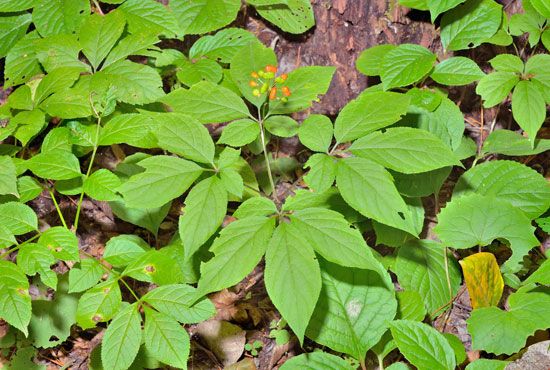
What active compounds in ginseng are believed to contribute to its health benefits?
The health benefits of ginseng are primarily attributed to specific chemical agents within the plant that influence the body’s physiological responses. Research suggests that these compounds act to increase the brain’s adrenocorticotropic hormone (ACTH) activity, a process that occurs independently of the adrenal glands and results in generalized mental arousal.1
While the provided search results highlight that ginseng contains various chemical constituents, they do not explicitly name the specific active compounds responsible for these effects beyond identifying them as chemical agents. It is worth noting that saponins are a broad class of plant-derived substances that include diverse compounds with varying biological activities, though the specific role of individual saponins within the Panax genus is not detailed in the provided data.12
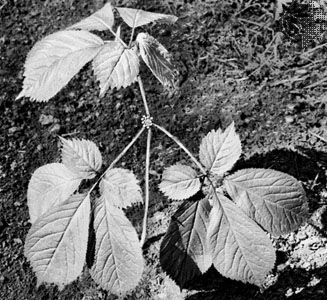
What scientific research has been conducted on ginseng’s effects on human health?
Scientific research into ginseng (genus Panax) indicates that the plant possesses nonspecific pharmacological properties, meaning it can exert a normalizing action on the body regardless of the specific pathological condition.
Studies suggest that ginseng’s influence on human health is primarily linked to its ability to enhance cognitive functions. Specifically, research has observed improvements in:
- Mental performance
- Learning and memory
- Sensory awareness
The underlying mechanism for these effects is believed to involve specific chemical agents within the plant that increase the brain’s adrenocorticotropic hormone (ACTH) activity. Notably, this process occurs independently of the adrenal glands, resulting in a state of generalized mental arousal.1
While these findings highlight the plant’s potential for cognitive support, it is important to note that in traditional contexts, such as in Chinese medicine, ginseng has historically been utilized more as a prophylactic—a preventive measure to maintain overall health—rather than as a direct curative treatment for specific illnesses.1
How long does it take for ginseng to mature, and why is this significant?
Cultivated ginseng plants typically require 5 to 7 years to reach maturity from seed.1
This extended maturation period is significant because it reflects the slow-growing nature of these perennial herbs, which possess sturdy taproots that die back each fall and reemerge in the spring. The long cultivation cycle is a defining characteristic of the genus Panax, which includes 12 species of medicinal herbs within the Araliaceae family. Because the root is the primary part of the plant used for its medicinal properties—historically valued as a prophylactic to maintain overall health—the time invested in its growth is essential for the development of the chemical agents believed to provide its pharmacological benefits, such as improved mental performance and sensory awareness.1
Sources
- ginseng — Encyclopædia Britannica
- American ginseng — Merriam-Webster
- Saponin — Encyclopædia Britannica
Published on · 3 min read