Mergui Archipelago
The Mergui Archipelago is a cluster of more than 200 mountainous, jungle-covered islands located in the Andaman Sea off the Tenasserim coast of southeastern…
What is Mergui Archipelago?
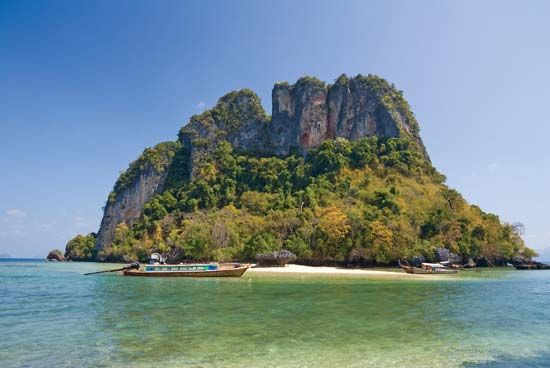
The Mergui Archipelago is a cluster of more than 200 mountainous, jungle-covered islands located in the Andaman Sea off the Tenasserim coast of southeastern Myanmar.
The archipelago stretches from Mali Kyun (Tavoy Island) in the north to beyond the southern border of Myanmar. Key islands in the group include Kadan, Thayawthadangyi, Daung, Saganthit, Bentinck, Letsok-aw, Kanmaw, Lanbi, and Zadetkyi. The region is primarily inhabited by the Selungs (or Salons) and is recognized for its scenic beauty. Economically, the islands are significant for their pearl-fishing industry, the harvesting of edible birds’ nests and sea cucumbers, and the mining of tin and tungsten.12
Who are the Moken or Salon people?
The Moken, also referred to as the Mawken or Salon, are a seafaring people indigenous to the Mergui Archipelago located off the southern coast of Myanmar (formerly Burma).3
Historically, these groups have maintained a traditional lifestyle centered on the sea, reflecting the broader history of Southeast Asian populations who developed sophisticated maritime skills and navigational techniques independently. While the region has seen various technological and social shifts over millennia, the Moken have persisted as a distinct maritime culture within the archipelago.43
What kind of marine life lives in the Andaman Sea?
The Andaman Sea supports a diverse range of marine life, though its overall biological richness varies by location. While the open surface waters and deep-sea regions are not particularly abundant in marine life, the coastal areas—especially along the Malay Peninsula—are highly productive, supporting significant molluscan growth and approximately 250 edible species of fish.5
In the coastal waters surrounding the Andaman and Nicobar Islands, the ecosystem is notably vibrant. These areas are home to:
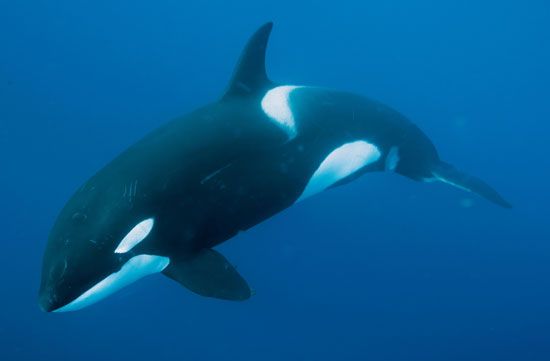
- Marine Mammals: Including whales, dolphins, and the dugong.6
- Reptiles: Abundant populations of saltwater crocodiles, turtles, and sea snakes.6
- Fish: A wide variety of species inhabit the tidal creeks and coastal zones.6
Additionally, the harbours and tidal creeks of the region are frequently surrounded by mangrove swamps, which serve as critical habitats for many of these species.6
How are pearls harvested in this region?
In the Mergui Archipelago and the surrounding waters of the Andaman Sea, pearl harvesting has long been an established industry. While the region is historically noted for its natural pearls found offshore, modern pearl production often involves cultured pearl techniques.789
The general process for harvesting cultured pearls involves several key steps:
- Implantation: Immature pearl oyster shells are selected and implanted with a tiny polished sphere of mother-of-pearl, often wrapped in a piece of living oyster tissue, which acts as a stimulant for pearl formation.91
- Maturation: The treated oysters are placed in culture cages or wire nets, which are typically suspended from floating rafts in sheltered bays. They are then tended by divers for several months to years as they develop the pearl.91
- Harvesting: Readiness for harvest is frequently determined using X-ray technology to ensure the pearl has reached the desired quality.9
In contrast, the collection of natural pearls historically relied on traditional diving methods to retrieve wild oysters from the sea floor.108
Sources
- Mergui Archipelago — Encyclopædia Britannica
- list of islands - Myanmar — Encyclopædia Britannica
- Mawken — Merriam-Webster
- history of Southeast Asia - Technological developments and population expansion — Encyclopædia Britannica
- Andaman and Nicobar Islands - Plant and animal life — Encyclopædia Britannica
- Andaman Sea — Encyclopædia Britannica
- cultured pearl — Encyclopædia Britannica
- pearl — Encyclopædia Britannica
- aquaculture - Mollusks — Encyclopædia Britannica
- Mergui — Encyclopædia Britannica
Published on · 2 min read