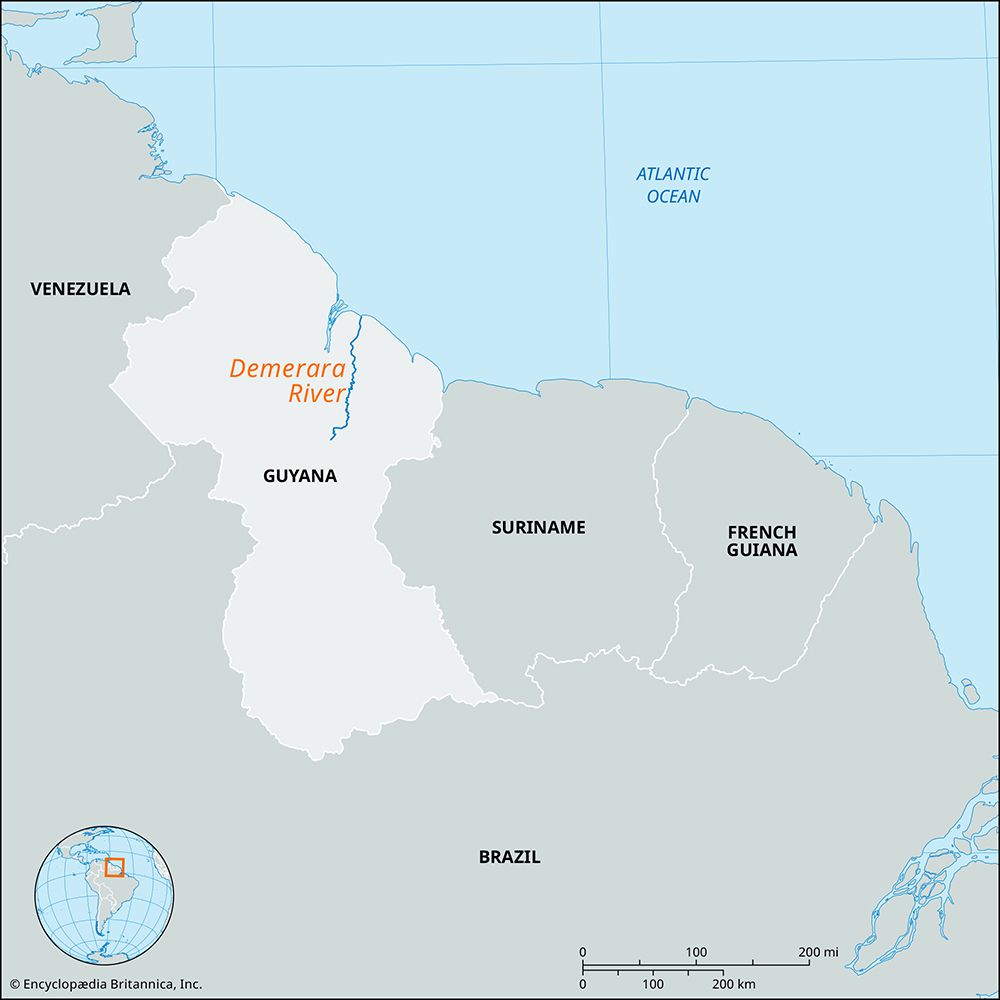
Guayas River
The provided search results do not contain information regarding unique species of plants or animals that are found exclusively within the Guayas River basin.
Are there any unique species of plants or animals that are found only in the Guayas River basin?
The provided search results do not contain information regarding unique species of plants or animals that are found exclusively within the Guayas River basin.
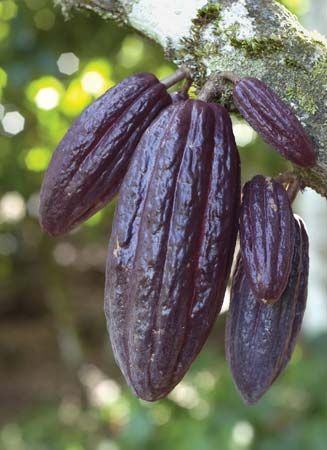
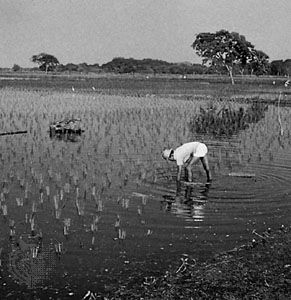
While the region is noted for its tropical rainforest vegetation—including trees such as balsa—and its role as a fertile agricultural hub for crops like bananas, cacao, and rice, the available data does not identify any endemic species restricted solely to this river system. The area’s biodiversity is generally described in the broader context of Ecuador’s coastal lowlands, which face significant environmental pressure from agriculture, ranching, and aquaculture.12
What is the length of the Guayas River and how does it compare to other major rivers in South America?
The Guayas River system, located in the coastal lowlands of Ecuador, has a total length of approximately 200 miles (320 km) when measured to the end of its longest tributary.2
In the context of South American geography, the Guayas is a significant river of the Pacific drainage, but it is relatively small compared to the continent’s major Atlantic-flowing systems. The continent’s primary drainage is dominated by four massive basins—the Amazon, Río de la Plata (comprising the Paraguay, Paraná, and Uruguay rivers), Orinoco, and São Francisco—which cover about two-thirds of the continent. For instance, the Amazon River alone stretches some 4,000 miles (6,400 km), and the Paraná River reaches 3,032 miles (4,880 km). Because the Andes mountains lie in close proximity to the Pacific coast, rivers flowing to the Pacific, such as the Guayas and the Santa in Peru, are significantly shorter and carry less water than their Atlantic-draining counterparts.3
How is the Guayas River used for transportation and commerce in modern Ecuador?
The Guayas River serves as a vital transportation artery and the backbone of commerce for the coastal lowlands of Ecuador. The river system facilitates the movement of goods from the fertile Guayas floodplain, which is a primary source of the country’s agricultural exports, including bananas, cacao, coffee, and rice.2
Navigation on the river varies by vessel size and season:
- Deep-draft access: Steamers drawing up to 22 feet (7 meters) can navigate the river to Guayaquil year-round.2
- Regional transport: Smaller riverboats maintain access to Babahoyo throughout the year, while small steamers can reach Zapotal during the rainy season.2
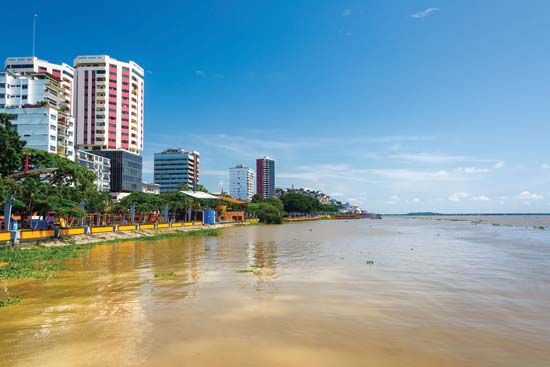
Guayaquil, situated on the river’s west bank, acts as the nation’s economic hub. While the city’s historic pier has been transformed into a modern riverwalk, the nearby Puerto Marítimo (Puerto Nuevo) serves as the primary terminus for international ocean traffic. This facility handles approximately 90 percent of Ecuador’s imports and 50 percent of its exports, connecting the agricultural output of the river basin to global markets.45
What role does the Guayas River play in Ecuador’s hydroelectric power generation?
The provided search results do not contain information regarding the specific role of the Guayas River in hydroelectric power generation. While the Andes Mountains are noted for their potential for hydroelectric development, the available data focuses on the river’s function as an agricultural and transportation artery rather than its use for energy production.26
Sources
- Ecuador - Plant and animal life — Encyclopædia Britannica
- Guayas River — Encyclopædia Britannica
- South America - Rivers of South America — Encyclopædia Britannica
- Guayaquil — Encyclopædia Britannica
- Ecuador - Transportation and telecommunications — Encyclopædia Britannica
- Ecuador - Resources and power — Encyclopædia Britannica
Published on · 2 min read