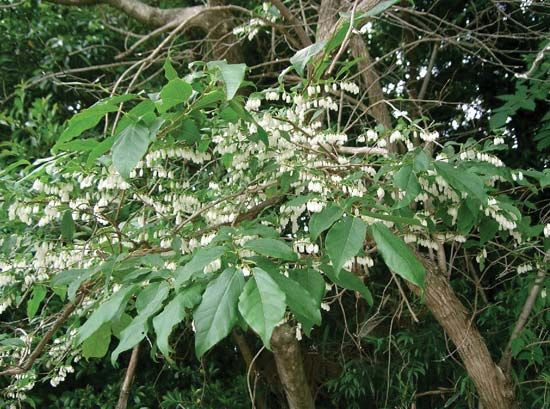
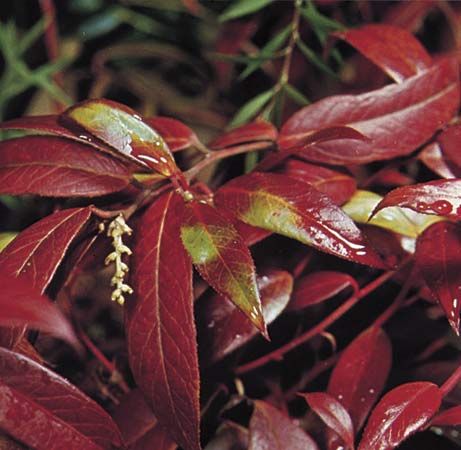
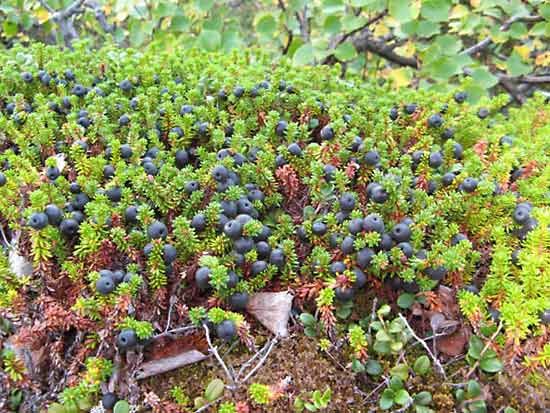
Gaultheria
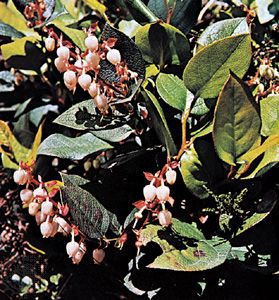
Gaultheria species are widely distributed across the globe, naturally occurring in North and South America, Asia, the Malay Archipelago, Australia, and New…
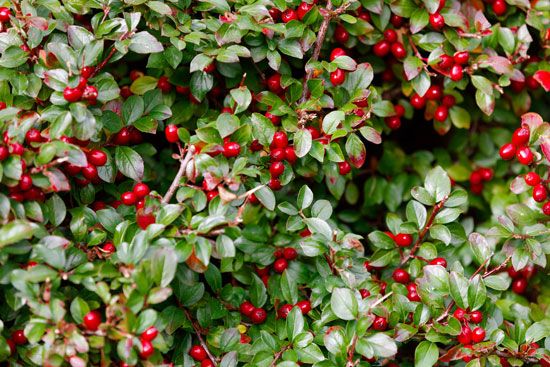
Where are Gaultheria species typically found in nature?
Gaultheria species are widely distributed across the globe, naturally occurring in North and South America, Asia, the Malay Archipelago, Australia, and New Zealand.1
These evergreen shrubs of the heath family occupy diverse environments depending on the specific plant. For instance, the wintergreen (Gaultheria procumbens) is typically found in the shady woods and sandy soils of mountainous regions throughout the northern United States and southern Canada. Other species, such as salal, are native to the Pacific Northwest1.12
How did the Gaultheria genus get its name and who discovered it?
Sorry, the Britannica knowledge base does not contain information regarding the etymology of the name Gaultheria or the specific individual who discovered the genus.
Are there any economic or commercial uses for Gaultheria plants?
Gaultheria plants have several economic and commercial applications, primarily centered on their aromatic properties and edible fruits:
- Flavoring and Medicinal Uses: The most notable commercial product is oil of wintergreen, derived from the leaves of Gaultheria procumbens. This volatile oil, which consists of approximately 98 percent methyl salicylate, is used as a flavoring agent in candies and chewing gum, as well as in treatments for muscular aches and pains.21
- Ornamental Horticulture: Several species within the genus are cultivated as ornamentals due to their attractive foliage.3
- Edible Fruits: Some species are of local importance for their edible berries. For example, salal (G. shallon), also known as lemonleaf in the floral industry, produces dark purple edible fruits and is harvested for its foliage.3
- Beverages: In some regions of North America, an infusion of wintergreen leaves, known as mountain tea, has been traditionally consumed as a beverage.2
How are Gaultheria plants used in traditional medicine or herbal remedies?
Gaultheria plants, particularly Gaultheria procumbens (commonly known as teaberry or wintergreen), have been utilized in traditional practices primarily for their therapeutic properties. The leaves of the plant are the source of oil of wintergreen, a volatile oil that contains a high concentration of methyl salicylate2.
In traditional and modern herbal applications, this oil is valued for its role in the treatment of muscular aches and pains. The active component, methyl salicylate, is chemically related to salicylic acid, a compound widely recognized for its role in the development of aspirin and its use in various pharmaceutical preparations. Additionally, an infusion of the leaves, historically referred to as mountain tea, has been consumed as a beverage in parts of North America.24
Sources
- Gaultheria — Encyclopædia Britannica
- wintergreen — Encyclopædia Britannica
- essential oil — Encyclopædia Britannica
- salicylic acid — Encyclopædia Britannica
Published on · 2 min read