Malvales
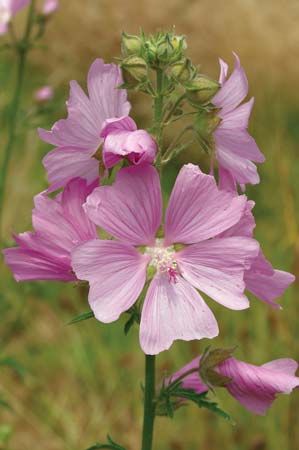
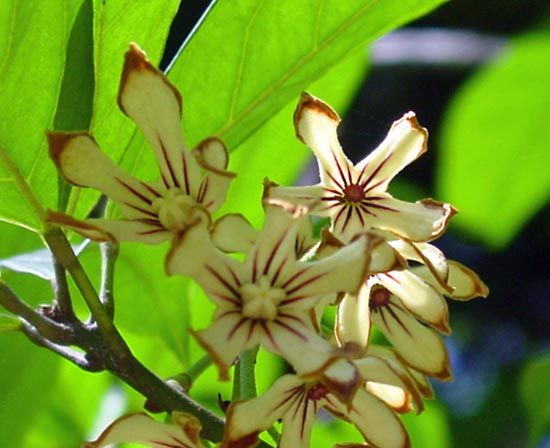
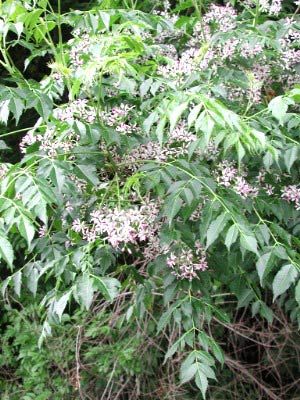
Plants within the Malvales order are highly adaptable and grow in a wide variety of habitats throughout much of the world. Because the order encompasses a…
What types of habitats do plants in the Malvales order commonly inhabit?
Plants within the Malvales order are highly adaptable and grow in a wide variety of habitats throughout much of the world. Because the order encompasses a diverse range of families, their preferred environments vary significantly:1
- Tropical Regions: The Malvaceae family, which is the largest group in the order, is primarily tropical, though it also includes species native to temperate regions.2
- Temperate and Warm Temperate Areas: Members of the Cistaceae family (rock roses) are commonly found in temperate or warm temperate zones, with a notable concentration in the Mediterranean region.2
- Neotropics: The Muntingiaceae family is native specifically to the Neotropics.2
Overall, while the order is widespread, individual families have evolved to thrive in climates ranging from the lush tropics to the Mediterranean scrublands.12
What role do Malvales plants play in various ecosystems?
Plants within the Malvales order serve various roles in their respective ecosystems, primarily through their interactions with pollinators and their structural contributions to their environments.
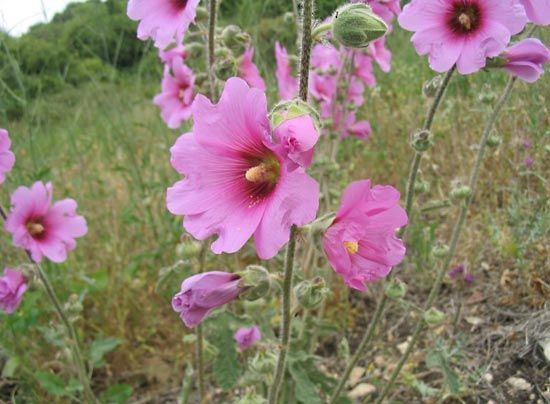
- Pollination Dynamics: Many members of the Malvaceae family have evolved specialized floral structures to facilitate pollination. They often feature nectaries located inside the calyx, which attract birds and long-tongued insects. These pollinators reach the nectar by probing between the bases of the corolla, effectively transferring pollen in the process.1
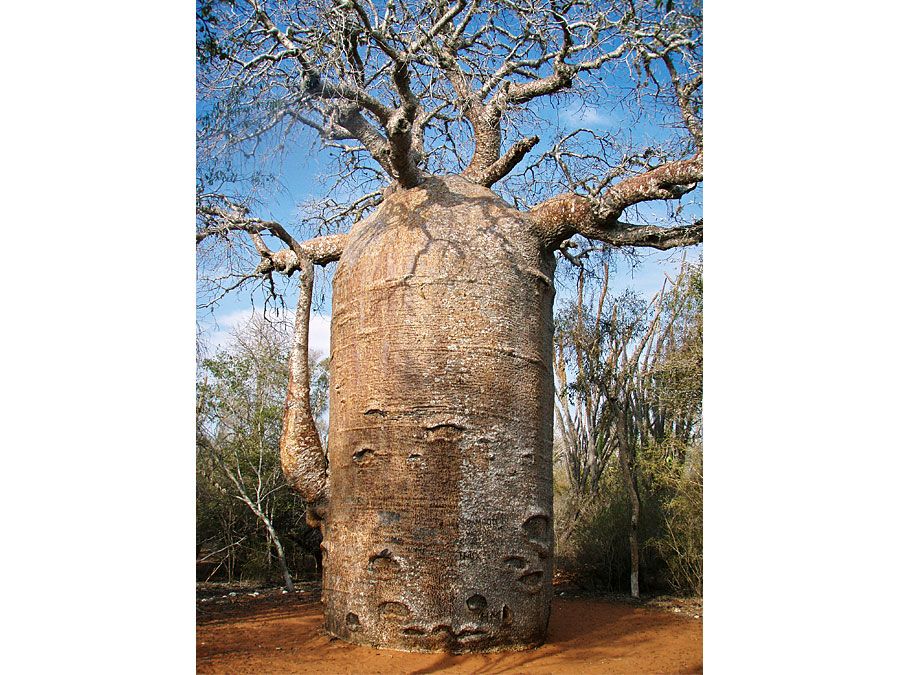
- Structural and Ecological Contributions: The order includes a wide range of woody plants that contribute to the physical structure of their habitats. For instance, the family includes significant trees such as balsa and kapok. Additionally, some species, such as the Neotropical Muntingia calabura, are noted for being fast-growing, which can influence local forest succession and provide resources like fruit for wildlife.1
- Resin Production: Certain species, particularly in the Cistaceae family, produce aromatic resins. These chemical compounds can serve as a defense mechanism for the plants and contribute to the unique ecological profile of Mediterranean scrublands.1
How are plants in the Malvales order economically significant?
Plants in the Malvales order are of significant economic importance, providing essential materials for textiles, food, and construction. The family Malvaceae is particularly notable for its diverse commercial contributions.13
Key Economic Contributions
- Textiles and Fibers: Cotton (Gossypium) is one of the world’s most important agricultural crops, widely used to produce durable, moisture-absorbent fabrics. Additionally, kapok (Ceiba pentandra) provides a lightweight, buoyant fiber historically used in life preservers and upholstery, while jute (Corchorus) is a vital source of fiber for various industrial applications.345
- Food and Beverages: Cacao (Theobroma cacao) is the primary source of cocoa and chocolate. Other food sources include okra and the durian fruit, which is highly valued in Southeast Asia. Furthermore, seeds from the Cola genus contain caffeine and are used in the production of cola drinks.36
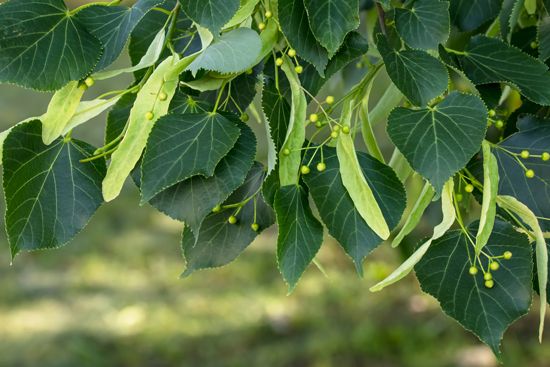
- Timber and Ornamentals: Balsa (Ochroma) is prized for its extremely lightweight wood, used in model-building and insulation. Various linden (Tilia) species are cultivated for their valuable timber and as ornamental street trees, while other members like Hibiscus and Dombeya are grown for their aesthetic flowers.37
What are the main characteristics that define the Malvales plant order?
The Malvales order, often called the mallow or hibiscus order, consists of approximately 6,000 species of mostly woody plants. These plants are characterized by several distinct vegetative and reproductive features:9
Vegetative Characteristics
- Leaves and Bark: Members typically have leaves with palmate venation and a swollen petiole apex. The bark is often stringy or fibrous due to bands of fibers in the phloem.1
- Chemical and Cellular Traits: They frequently contain mucilage cells and distinctive cyclopropenoid fatty acids. Multicellular hairs, which may be stellate (star-shaped) or scaly, are also common.12
Floral and Seed Characteristics
- Flower Structure: The flowers often feature numerous stamens that develop in a specific pattern, maturing first near the ovary. The sepals are typically valvate (meeting edge-to-edge), while the petals usually overlap in a contorted fashion.1
- Seed Anatomy: The seeds are highly distinctive, often featuring a layer of thickened, palisade-like cells in the inner seed coat. The interior of the capsule or the surface of the seeds is frequently covered in hairs.1
Sources
- Malvales — Encyclopædia Britannica
- Malvales - Malvaceae , Cistaceae, and Muntingiaceae — Encyclopædia Britannica
- Malvaceae — Encyclopædia Britannica
- cotton — Encyclopædia Britannica
- Myrtales - Economic and ecological importance — Encyclopædia Britannica
- balsa — Encyclopædia Britannica
- kapok — Encyclopædia Britannica
- Cacao — Encyclopædia Britannica
- Malvales - Common characteristics — Encyclopædia Britannica
Published on · 3 min read