Lyonia
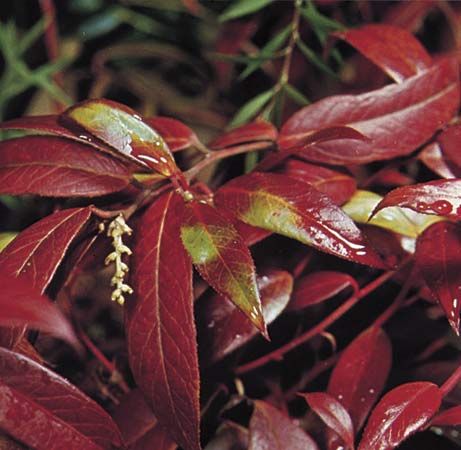
Lyonia is a genus comprising approximately 35 species of shrubs belonging to the heath family (Ericaceae). These plants are native to North America, the…
What is Lyonia?
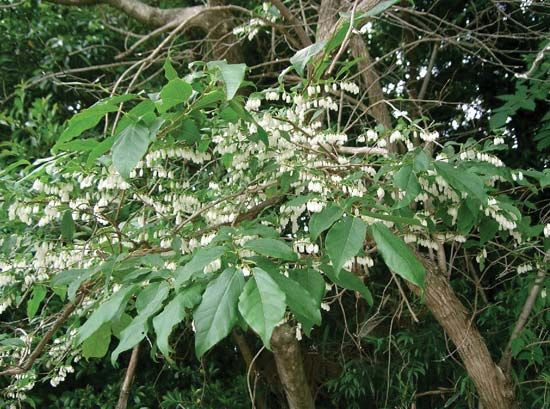
Lyonia is a genus comprising approximately 35 species of shrubs belonging to the heath family (Ericaceae). These plants are native to North America, the Caribbean, and Asia.1
Key characteristics of the genus include:
- Appearance: They are known for their dense foliage and attractive, bell-shaped or urn-shaped flowers that appear in white or pinkish hues.12
- Leaves: The leaves are alternate, possess short stalks, and can be either deciduous or evergreen with smooth or finely toothed edges.1
- Cultivation: Commonly cultivated species, such as the maleberry (L. ligustrina) and the staggerbush (L. mariana), thrive in damp or swampy soil.1
It is important to note that some species, such as the staggerbush, are poisonous to livestock. The genus was named in honor of the Scottish gardener and plant collector John Lyon.12
What other plants belong to the heath family?
The heath family (Ericaceae) is a diverse group of approximately 4,000 species, primarily consisting of shrubs and small trees. These plants are widely distributed and are economically significant for their edible fruits and ornamental value.34
Food Crops
Several members of the family are cultivated for their fruit, particularly within the genus Vaccinium:
- Blueberry (V. angustifolium, V. ashei, and V. corymbosum)4
- Cranberry (V. macrocarpon and V. oxycoccos)4
- Bilberry (V. myrtillus)4
- Lingonberry (V. vitis-idaea)4
- Huckleberry (Gaylussacia species)4
Ornamentals and Other Notable Species
Many other members are prized for their foliage and flowers:
- Flowering Shrubs: Rhododendron and azalea species, mountain laurel, and sheep laurel.43
- Heath and Heather: The genus Erica (heath) and Calluna vulgaris (heather).45
- Others: Manzanita and bearberry (Arctostaphylos), doghobble, fetterbush, pipsissewa, sourwood, trailing arbutus, and wintergreen.4
Why is the staggerbush considered poisonous to livestock?
It is important to clarify that while the term “staggerbush” (Lyonia mariana) is widely recognized as poisonous to livestock, the specific chemical mechanism or toxin responsible for this toxicity is not detailed in the provided search results.67
The name “staggerbush” itself reflects the historical observation that ingestion of the plant causes animals to exhibit symptoms such as staggering or loss of coordination. It is distinct from other plants sometimes referred to as “stagger grass,” such as the atamasco lily or fly poison, which are also associated with livestock poisoning but belong to different botanical families.61
Because the toxicity of Lyonia mariana is a well-documented hazard for grazing animals, it is essential for those managing livestock to be aware of its presence in pastures and damp, swampy areas where it typically grows.7
What are the differences between deciduous and evergreen shrubs?
The primary difference between deciduous and evergreen shrubs lies in their leaf-retention strategies and physiological adaptations to environmental stress.
Deciduous Shrubs
Deciduous plants shed their leaves annually, typically in response to the onset of cold winters or dry seasons.89
- Leaf Characteristics: Their leaves are generally thin and delicate, requiring less chemical energy to produce.9
- Strategy: Because these leaves are “throwaway” structures, the plant avoids the cost of maintaining them during periods when photosynthesis is inefficient or impossible due to freezing temperatures or lack of water.9
- Dormancy: As days shorten, these plants cease growth and form resting buds to protect their stem apexes from drying and freezing.10
Evergreen Shrubs
Evergreen plants retain their foliage throughout the year, with individual leaves often persisting for two or more years.8
- Leaf Characteristics: Their leaves are typically thicker, leathery, or needlelike, which helps them resist water loss and survive harsh conditions.8
- Strategy: By retaining foliage, these plants can perform photosynthesis whenever environmental conditions—such as temperature and moisture availability—are favorable. This is particularly advantageous in environments where nutrients are scarce, as the plant avoids the high energy cost of replacing its entire canopy every year.9
Sources
- Lyonia — Encyclopædia Britannica
- Lyonia — Merriam-Webster
- list of economically important members of the family Ericaceae — Encyclopædia Britannica
- Ericaceae — Encyclopædia Britannica
- heath — Encyclopædia Britannica
- stagger grass — Merriam-Webster
- staggerbush — Merriam-Webster
- evergreen — Encyclopædia Britannica
- plant development - Seasonal adaptations — Encyclopædia Britannica
- Temperate forest - Environment — Encyclopædia Britannica
Published on · 3 min read