Gelechiid Moth
Gelechiid moths, belonging to the family Gelechiidae, exhibit a diverse range of larval behaviors and adaptations that allow them to exploit various plant…
What are some notable adaptations or behaviors observed in gelechiid moths?
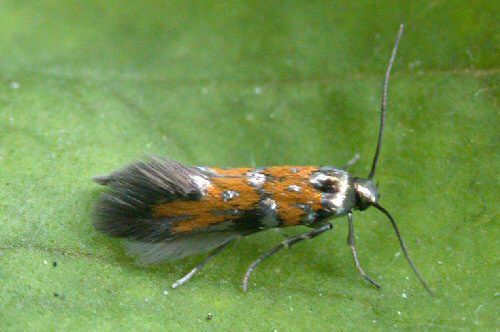
Gelechiid moths, belonging to the family Gelechiidae, exhibit a diverse range of larval behaviors and adaptations that allow them to exploit various plant hosts. These small moths are characterized by slender wings, with hindwings that typically feature concave outer margins and pointed tips.12
The larvae are generally pale and naked, employing several specialized feeding strategies:
- Mining and Boring: Many species, such as the potato tuberworm (Phthorimaea operculella), bore into stems and tubers or mine within leaves. The Angoumois grain moth (Sitotroga cerealella) is adapted to hollow out the insides of grain kernels.1
- Gall Formation: Certain species, including those in the genus Gnorimoschema, induce the growth of galls within the stems of plants like goldenrod.1
- Leaf Rolling and Webbing: Larvae may spin webs or roll leaves to create protective environments for feeding.1
- Pupation: To protect themselves during metamorphosis, these larvae typically construct silken cocoons. For instance, the pink bollworm (Pectinophora gossypiella) may pupate within a boll, in plant litter, or even underground.1
How do gelechiid moths differ from butterflies in terms of appearance and behavior?
Gelechiid moths and butterflies are both members of the order Lepidoptera, yet they exhibit distinct differences in their physical characteristics and behaviors.
Appearance
- Body and Wings: Butterflies typically possess slim, dainty bodies and often feature vibrant, dramatic wing patterns. In contrast, gelechiid moths are generally brown with gray or silver markings and have a stout, often fuzzy appearance. Their hindwings are notable for having pointed tips and concave outer margins, which differ from the more typical, narrow forewings found in many other moths.41
- Antennae: A primary physical distinction is that butterflies have simple, club-tipped antennae, whereas most moths, including gelechiids, have thick or feathery antennae.4
Behavior
- Activity Patterns: Butterflies are typically diurnal (active during the day), while most moths are nocturnal.4
- Resting Posture: When at rest, butterflies usually hold their wings vertically over their backs. Moths, including gelechiids, typically fold their wings tentlike over their bodies, wrap them around their bodies, or hold them extended at their sides.4
- Metamorphosis: During their transformation, butterflies form a chrysalis, whereas gelechiid moths construct silken cocoons.41
- Larval Habits: While butterfly and moth larvae are both known as caterpillars, gelechiid larvae are particularly noted for their diverse feeding behaviors, which include mining leaves, boring into stems or tubers, forming galls, and spinning webs.41
What are some common predators of gelechiid moths?
Gelechiid moths, like other members of the order Lepidoptera, are subject to predation throughout their life cycles by a wide variety of organisms. These predators generally locate their prey using sight or scent, though some specialized hunters utilize other methods.1
Invertebrate Predators
A host of invertebrates actively hunt gelechiid moths and their larvae, including:
- Arachnids: Spiders are significant predators, often capturing moths in their webs.1
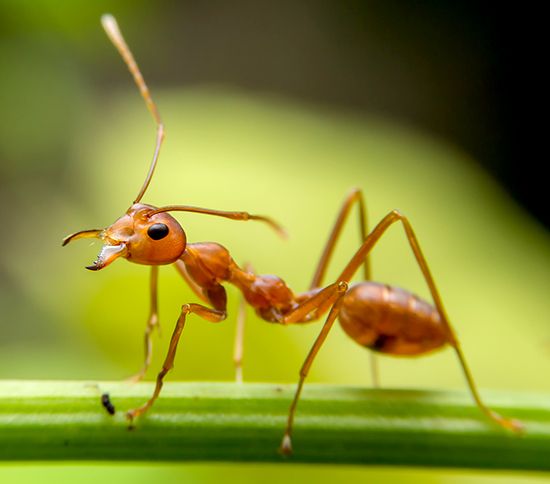
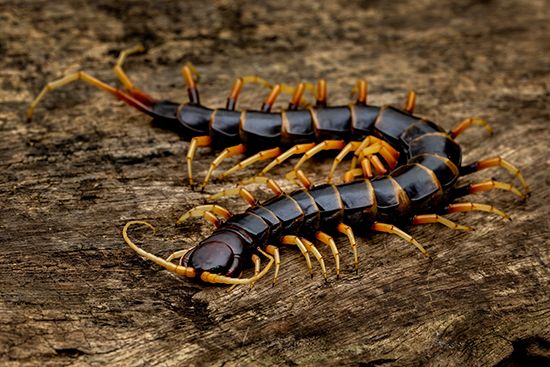
- Insects: Various predatory insects, such as ants, mantids, ground beetles, centipedes, and both social and solitary wasps, frequently prey on these moths.1
Vertebrate Predators
Vertebrates that hunt by sight represent a major threat to these insects. Common vertebrate predators include:
- Amphibians and Reptiles: Toads, tree frogs, and lizards.1
- Birds and Mammals: Birds, rodents, and monkeys.1
- Bats: These mammals are unique in that they hunt using acoustic echolocation to detect moths in flight.1
Additionally, gelechiid populations are heavily impacted by parasitoids, such as tachinid flies and various wasps—particularly those in the family Ichneumonidae—which lay their eggs in or on the larvae, eventually consuming them.17
Are there any gelechiid moth species that are endangered or threatened?
The provided Britannica knowledge base does not contain information regarding specific gelechiid moth species that are currently classified as endangered or threatened. The available data focuses primarily on the general characteristics of the family Gelechiidae and highlights several species that are recognized as agricultural pests, such as the pink bollworm, the Angoumois grain moth, and the potato tuberworm.1
Sources
- gelechiid moth — Encyclopædia Britannica
- Gelechiidae — Merriam-Webster
- leaf roller moth — Encyclopædia Britannica
- What’s the difference between moths and butterflies? — Encyclopædia Britannica
- Lepidoptera - Thorax — Encyclopædia Britannica
- Lepidoptera - Protection against danger — Encyclopædia Britannica
- Lepidoptera - Environmental hazards — Encyclopædia Britannica
- moth — Encyclopædia Britannica
- caterpillar — Encyclopædia Britannica
- ichneumon wasp — Encyclopædia Britannica
Published on · 3 min read