Glowworm
The purpose of bioluminescence in glowworms varies depending on the species and their life stage, primarily serving as a means of communication or a hunting…
What is the purpose of bioluminescence in glowworms?
The purpose of bioluminescence in glowworms varies depending on the species and their life stage, primarily serving as a means of communication or a hunting strategy.
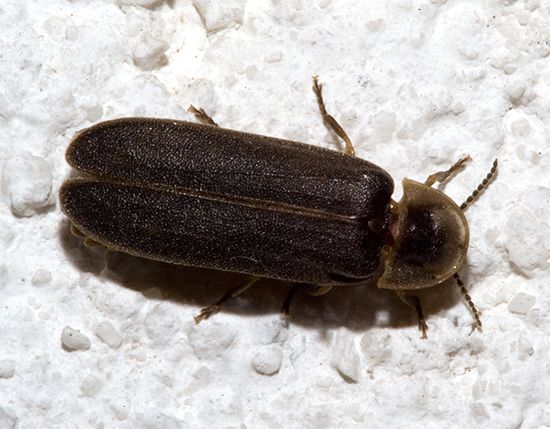
In many beetle species, such as Lampyris, Phengodes, and Phrixothrix, the light acts as a mating signal. The wingless adult females emit a glow to attract flying males, which may themselves be nonluminous.1
Conversely, for certain gnat larvae like Arachnocampa and Platyura, bioluminescence is a predatory tool. These larvae produce light to lure prey toward their sticky webs, where the insects are then captured.1
While these insects utilize different anatomical structures—such as modified excretory organs, salivary glands, or specialized cells—to produce their light, they all rely on a similar chemical reaction involving luciferin, luciferase, ATP, and oxygen.21
How do glowworms use their light to attract prey?
Certain glowworm species, specifically the larvae of gnats such as Arachnocampa (found in New Zealand) and Platyura (found in the central Appalachians), utilize bioluminescence as a predatory strategy. These larvae produce light to lure prey toward them, where the insects are then captured in sticky webs.2
While other glowworms use light primarily for mating signals, these specific larvae have evolved to use their glow as a hunting tool. The light is generated through a chemical reaction involving luciferin, the enzyme luciferase, ATP, and oxygen, though the anatomical structures used to emit this light—such as modified excretory organs or salivary glands—vary by species.24
What role do glowworms play in their ecosystem?
Glowworms play distinct roles in their respective ecosystems, primarily functioning as either predators or as part of a mating cycle. Their ecological impact is largely defined by their specialized use of bioluminescence to interact with other organisms.2
- Predatory Role: Certain glowworm larvae, such as the cave-dwelling Arachnocampa of New Zealand and Platyura of the central Appalachians, act as predators. They use their light to lure prey toward sticky webs, effectively controlling local insect populations within their habitats.2
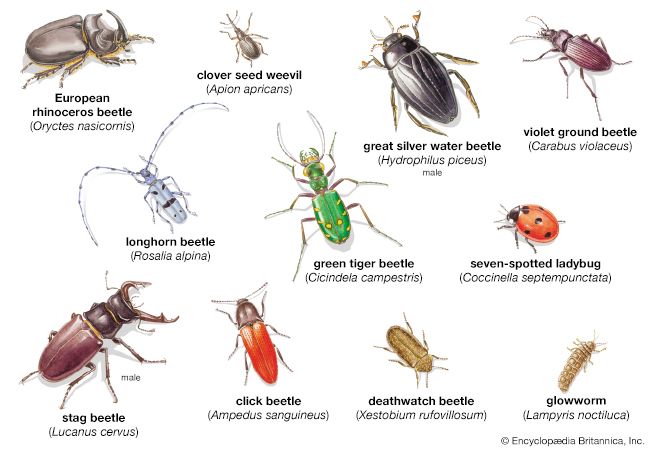
- Reproductive Role: In many beetle species, such as the European glowworm (Lampyris noctiluca), the wingless adult females emit a continuous glow to attract flying males. This signaling is essential for the reproductive success of these species, as it allows males to locate females in their nocturnal environments.21
Because these insects occupy diverse niches—ranging from caves to forest floors—their specific contributions to the food web depend on their unique evolutionary adaptations for light production.2
In which habitats can glowworms typically be found?
Glowworms are not restricted to a single type of environment; rather, they are widely distributed and occupy diverse habitats depending on their species. Because the term “glowworm” refers to a variety of unrelated insects—including certain beetle larvae, wingless adult female beetles, and specific gnat larvae—their preferred living conditions vary significantly.251
Common habitats include:
- Caves: Certain species, such as the Arachnocampa gnats of New Zealand, are famous for inhabiting damp, dark environments like the Waitomo caves, where they hang from ceilings to lure prey.267
- Forests and Woodlands: Many glowworms, including various lampyrid beetle larvae and the Platyura gnats found in the central Appalachians, live in moist, terrestrial environments such as forest floors.26
- General Terrestrial Areas: Because they include various beetle species (such as the European glowworm), they are found across a wide range of nocturnal environments where they can successfully signal for mates.26
Sources
- How Do Glowworms Glow? — Encyclopædia Britannica
- glowworm — Encyclopædia Britannica
- firefly — Encyclopædia Britannica
- Everything’s Illuminated: 6 Bioluminescent Organisms — Encyclopædia Britannica
- Bioluminescence - The range and variety of bioluminescent organisms — Encyclopædia Britannica
- Did you know? — Merriam-Webster
- Waitomo — Encyclopædia Britannica
Published on · 3 min read