Chaste Tree
The chaste tree (Vitex agnus-castus) is an aromatic shrub belonging to the mint family (Lamiaceae), native to Eurasia. It is widely cultivated in warm…
What is Chaste tree?
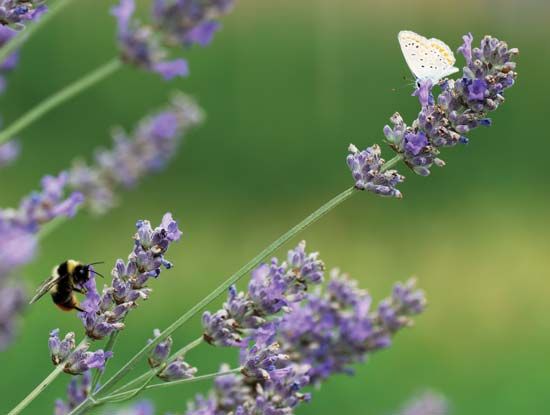
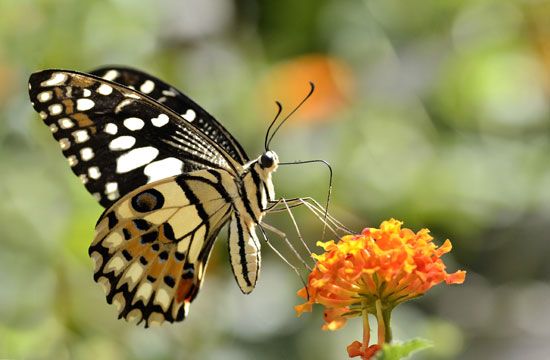
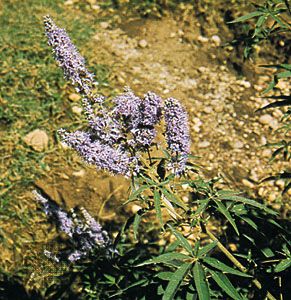
The chaste tree (Vitex agnus-castus) is an aromatic shrub belonging to the mint family (Lamiaceae), native to Eurasia. It is widely cultivated in warm climates for its showy, rose-lavender flower spikes, which are known to attract butterflies and other pollinators.12
Historically, the plant earned its name from the belief that it acts as an anaphrodisiac, or a substance that decreases libido, leading to its alternative names like “monk’s pepper”. Beyond its ornamental use, the plant has practical applications: its pliable twigs are utilized in basketry, and its fruits—technically drupes—are used in herbal medicine to address menstrual cycle irregularities and symptoms of menopause1.12
Why is the chaste tree part of the mint family?
The chaste tree (Vitex agnus-castus) is classified within the mint family, known as Lamiaceae, though it was formerly placed in the Verbenaceae family.2
Modern plant taxonomy relies on a combination of morphological observations and molecular evidence to determine these classifications. While members of the Lamiaceae family are often characterized by square stems, paired leaves, and two-lipped, tubular flowers, taxonomic placement is increasingly informed by DNA analysis. Molecular studies allow botanists to determine the natural evolutionary relationships, or phylogeny, of different plant groups, which can lead to the reassignment of genera when new evidence suggests a different evolutionary lineage than previously assumed.345
How do pollinators like butterflies interact with the chaste tree?
The chaste tree (Vitex agnus-castus) interacts with butterflies and other pollinators primarily through its showy, rose-lavender flower spikes, which are arranged in whorls along the inflorescence.2
These flowers serve as a source of nectar, a sugar-rich liquid secreted by nectaries located within the floral structure. When butterflies visit these flowers to feed on the nectar, they inadvertently come into contact with the plant’s pollen. As the insects move between different flowers, they transfer this pollen, facilitating the process of pollination necessary for the plant’s reproduction.73
This relationship is mutually beneficial: the chaste tree provides a food source for the pollinators, while the butterflies and other insects ensure the transfer of genetic material between plants, supporting the species’ survival.73
What are some other plants historically used in herbal medicine?
Throughout history, various cultures have relied on ethnobotany to identify plants with medicinal properties. Many of these traditional remedies have provided the foundation for modern pharmaceutical treatments.1011
Some notable plants historically used in herbal medicine include:
- Ginseng: Long used in Asian traditions, the root is valued for its potential to improve mental performance and sensory awareness.12
- Willow Bark: Historically used for its pain-relieving properties, it provided the main ingredient for [aspirin].11
- Ma Huang: Used by ancient Chinese physicians, this plant contains ephedrine, which is still utilized today in treatments for cold and allergy symptoms.10
- Senna and Castor Oil: Ancient Egyptians employed these to treat constipation, while peppermint and caraway were used for indigestion.10
- Opium: Included in the apothecary of the Greek physician Galen, its derivatives remain essential for pain relief.10
- Quinine: Derived from a tree in the Andes, it served as the original treatment for malaria.11
- Yew Tree: The bark of this tree was the original source of Taxol, a drug used in cancer treatment.11
- Dichroa febrifuga: Known as chang shan, this plant was described in early Chinese texts for its antifever capabilities and contains antimalarial alkaloids.10
Sources
- chaste tree — Merriam-Webster
- Chaste tree — Encyclopædia Britannica
- Lamiales - Main families — Encyclopædia Britannica
- list of plants in the family Lamiaceae — Encyclopædia Britannica
- Botany - Taxonomic aspects — Encyclopædia Britannica
- Asparagales - Organization and taxonomy — Encyclopædia Britannica
- Nectary — Encyclopædia Britannica
- Angiosperm - Pollination — Encyclopædia Britannica
- Botanical Sex: 9 Alluring Adaptations — Encyclopædia Britannica
- Ethnobotany — Encyclopædia Britannica
- ginseng — Encyclopædia Britannica
- pharmaceutical industry - Medicines of ancient civilizations — Encyclopædia Britannica
- Did you know? — Merriam-Webster
- traditional Chinese medicine - Herbal therapy — Encyclopædia Britannica
- traditional Chinese medicine - The practice of traditional medicine — Encyclopædia Britannica
- herbal medicine — Merriam-Webster
Published on · 3 min read