Gironde
The term Gironde refers to two primary geographical and historical subjects in southwestern France:
What is Gironde?
The term Gironde refers to two primary geographical and historical subjects in southwestern France:
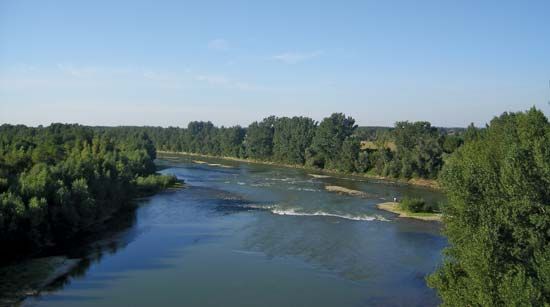
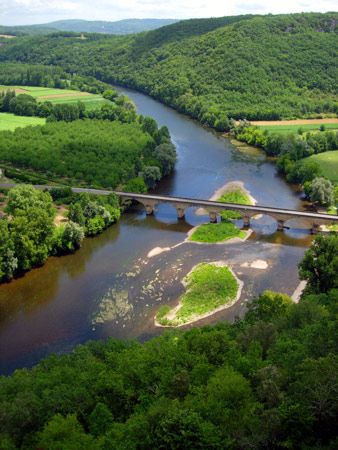
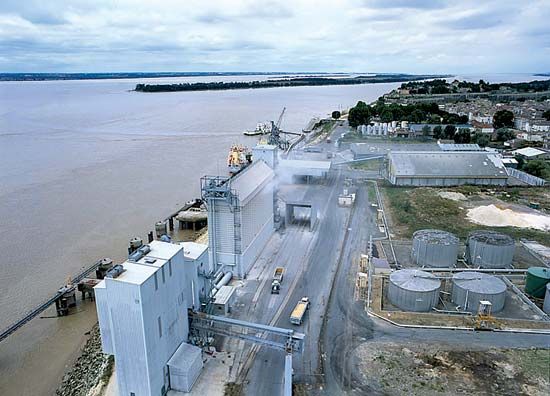
- The Gironde Estuary: This is a large estuary on the Bay of Biscay. It is formed by the confluence of the Garonne and Dordogne rivers and extends approximately 45 miles. It serves as a vital waterway for the port of Bordeaux and is located within the Gironde département.12
- The Girondins: This was a loose grouping of republican politicians during the French Revolution. Active from 1791 to 1793, they were named after the Gironde département, from which many of their members originated. They were known for their opposition to the radical Montagnards and were eventually purged and executed during the Reign of Terror.34
How did the Gironde estuary shape the history of Bordeaux?
The Gironde estuary has been fundamental to the development and prosperity of Bordeaux as a major port city. By providing a navigable waterway for oceangoing vessels, the estuary facilitated centuries of international trade, connecting the region to markets in Britain, Spain, and beyondUnited-Kingdom), Spain, and beyond.2
The estuary’s influence on the city’s history includes:
- Economic Growth: The port’s ability to handle shipping allowed Bordeaux to thrive, particularly through the export of the region’s celebrated wines. During the 18th century, the estuary supported the “triangular trade,” which brought significant wealth to the city through the exchange of goods like sugar, coffee, and wine.2
- Specialized Infrastructure: Over time, the estuary became lined with specialized port facilities. Locations such as Ambès, Blaye, Pauillac, and Le Verdun-sur-Mer were developed to handle specific commodities, including bulk liquids, cereals, and containerized cargo, cementing the city’s role as a commercial hub.32
- Modern Expansion: Recent urban planning has focused on extending new districts northward along the west bank of the estuary, ensuring the waterway remains central to the city’s ongoing development.2
What were the main political differences between the Girondins and the Montagnards?
The conflict between the Girondins and the Montagnards during the French Revolution was defined by deep ideological, social, and regional divisions.
Core Political Differences
- Role of Paris vs. Provinces: The Girondins relied on support from provincial cities and local government officials, advocating for the départements as a counterbalance to the capital. Conversely, the Montagnards were based in Paris and drew their strength from the sansculottes. The Montagnards accused the Girondins of “federalism”—a desire to weaken the unity of the republic by reducing the influence of Paris.
- Economic Policy: The Girondins championed economic liberalism, rejecting government intervention in trade or price controls. The Montagnards were more willing to adopt emergency measures, including economic controls, to address the demands of the Parisian working class and the needs of the Revolution.
- Revolutionary Necessity: The Girondins were generally more committed to constitutional liberties and legal scruples, making them reluctant to support extreme measures. The Montagnards prioritized “revolutionary necessity,” proving more willing to bypass traditional constraints to maintain unity and defend the republic.
Why was the Gironde region significant during the French Revolution?
The Gironde region was significant during the French Revolution primarily because it served as the namesake and a key power base for the Girondins, a prominent group of republican politicians.16
The region’s importance manifested in several ways:
- Political Identity: The group known as the Girondins included many deputies from the Gironde département. They were characterized by their support for provincial interests as a necessary counterbalance to the growing influence of [Paris].671
- Center of Opposition: Following the purge of Girondin deputies from the National Convention in June 1793, the Gironde became a focal point for “federalist” uprisings. These movements were organized by moderate republicans who opposed the radical policies of the Montagnards and the dominance of the Parisian [sansculottes].167
- Regional Resistance: Along with other cities like Lyon and Marseille, Bordeaux—the administrative center of the Gironde—experienced intense conflict between local moderates and Jacobin authorities, contributing to the broader civil unrest that challenged the central authority of the Convention during the Reign of Terror6.7
Sources
- Girondin — Encyclopædia Britannica
- Gironde — Encyclopædia Britannica
- Bordeaux — Encyclopædia Britannica
- Garonne River — Encyclopædia Britannica
- Montagnard — Encyclopædia Britannica
- history of France - Girondins and Montagnards — Encyclopædia Britannica
- France - Girondins and Montagnards — Encyclopædia Britannica
Published on · 3 min read