Cereal
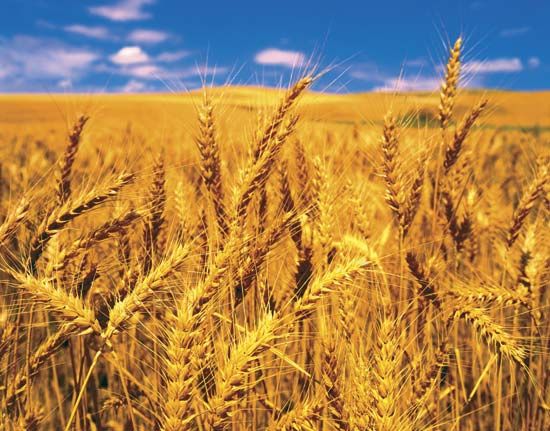
The primary grains used in the production of breakfast cereals are corn (maize), wheat, rice, and oats. These grains serve as the foundational ingredients…
What are the main types of grains used in breakfast cereals?
The primary grains used in the production of breakfast cereals are corn (maize), wheat, rice, and oats. These grains serve as the foundational ingredients for various types of ready-to-eat and hot cereals.1234
- Corn, Wheat, and Rice: These are the most common grains used for ready-to-eat cereals. They are processed into several forms, including flaked (often made from corn or wheat), puffed (wheat or rice), and shredded (wheat) varieties.2
- Oats: Widely consumed as a “hot” cereal, oats are prepared in various textures, such as steel-cut, rolled, or instant, by steaming and flattening or chopping the oat groats.4
- Barley: Malted barley is frequently used as a flavoring ingredient in the production of granular cereals, which are typically made from a dough of wheat and malted barley flour.2
These cereals are often fortified with vitamins to restore nutrients lost during the cooking and processing stages.2
How is cereal typically processed and manufactured?
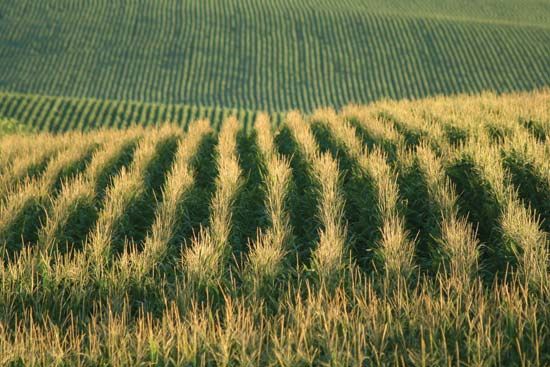
The manufacturing of breakfast cereals varies significantly depending on the desired final product. Ready-to-eat cereals are generally categorized into four primary types, each requiring distinct processing methods:
- Flaked Cereals: Grains like corn, wheat, or rice are broken into grits and cooked under steam pressure with flavorings. The cooked product is dried, tempered to distribute moisture, and passed through heavy steel rollers to create flakes. These flakes are then toasted in gas-fired ovens to achieve a blistered, crisp texture.12
- Puffed Cereals: These are created by placing cooked wheat or rice into a pressure chamber. When the pressure is suddenly released, the grain expands rapidly to several times its original size.2
- Shredded Cereals: Pressure-cooked wheat is passed through heavy rollers that squeeze the grain into thin strands. These strands are then cut into biscuits and dried.2
- Granular Cereals: A stiff dough made from wheat, malted barley flour, yeast, salt, and water is fermented and baked. The resulting product is crumbled, rebaked, and ground into rough bits.2
In contrast, “hot” cereals like oatmeal are processed by removing the hulls from oat kernels to produce groats. These may be steel-cut (chopped), rolled (steamed and flattened), or finely chopped and precooked to create instant varieties.36
Across these methods, manufacturers often fortify cereals with vitamins to replace nutrients lost during cooking and may apply sweet coatings or flavorings as a final step.12
What are some interesting facts about the history of breakfast cereals?
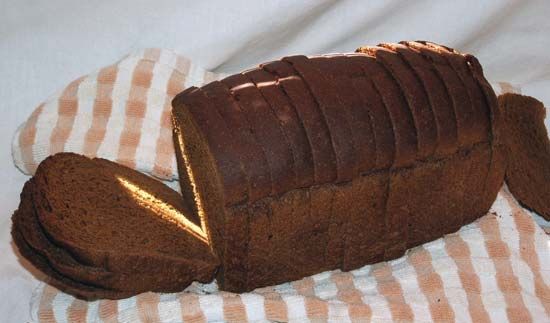
The history of breakfast cereal is rooted in the 19th-century health movement, specifically within the Seventh-day Adventist community, which sought to provide vegetarian alternatives to traditional diets.72
Here are some notable facts about the evolution of the industry:
- Sanitarium Origins: The industry began in the 1860s at the Battle Creek Sanitarium in Michigan. Pioneers like John Harvey Kellogg developed early products like “Granose” to improve patient nutrition.72
- The First “Granula”: Before the modern cereal boom, James Caleb Jackson created a product called “granula” in the 1860s. It was so hard that it required soaking in milk to be edible.8
- The Rise of Competitors: C.W. Post, a former patient at the Battle Creek Sanitarium, recognized the commercial potential of these health foods. He invented “Grape-Nuts” in 1897 by grinding baked wheat dough into bits.8
- Marketing Innovation: By the mid-20th century, the industry shifted toward aggressive advertising. Companies utilized cartoon mascots like Tony the Tiger and offered prizes in boxes to appeal to children, while promoting the convenience of fortified cereals to parents.89
- Corporate Evolution: The Kellogg Company grew from a small sanitarium project into a global powerhouse. In 2023, it underwent a historic split into two companies, WK Kellogg (cereal) and Kellanova (snacks), both of which were subsequently acquired by other major food manufacturers by 2025.9
What is cereal in terms of food?
In terms of food, cereal refers to any grass (family Poaceae) that is cultivated for its starchy seeds, which are commonly known as grains. These grains serve as a fundamental food source for humans and are also widely used as animal feed and in various industrial applications.101112
Key characteristics of cereals include:
- Nutritional Profile: Cereals are rich in carbohydrates, primarily in the form of starch, which provides a low-cost, efficient energy source. While they contain protein, they are generally low in fat and naturally deficient in certain nutrients like calcium and vitamin A.11124
- Common Varieties: The most widely cultivated cereals include wheat, rice, corn (maize), barley, oats, rye, sorghum, and millet.11124
- Preparation: As food, cereals are marketed in their raw grain form or processed into ingredients like flour for bread and other baked goods. They are also the primary component of breakfast cereals, which are often precooked or ready-to-eat products.11122
Sources
- Cereal processing - Flaked cereals — Encyclopædia Britannica
- breakfast cereal — Encyclopædia Britannica
- oatmeal — Encyclopædia Britannica
- human nutrition - Cereals — Encyclopædia Britannica
- Cereal processing - Corn — Encyclopædia Britannica
- Oats — Encyclopædia Britannica
- John Harvey Kellogg — Encyclopædia Britannica
- Kellogg’s — Encyclopædia Britannica
- Cereal processing - Origins — Encyclopædia Britannica
- cereal — Merriam-Webster
- Cereal — Encyclopædia Britannica
- Cereal processing — Encyclopædia Britannica
Published on · 4 min read