Goshawk
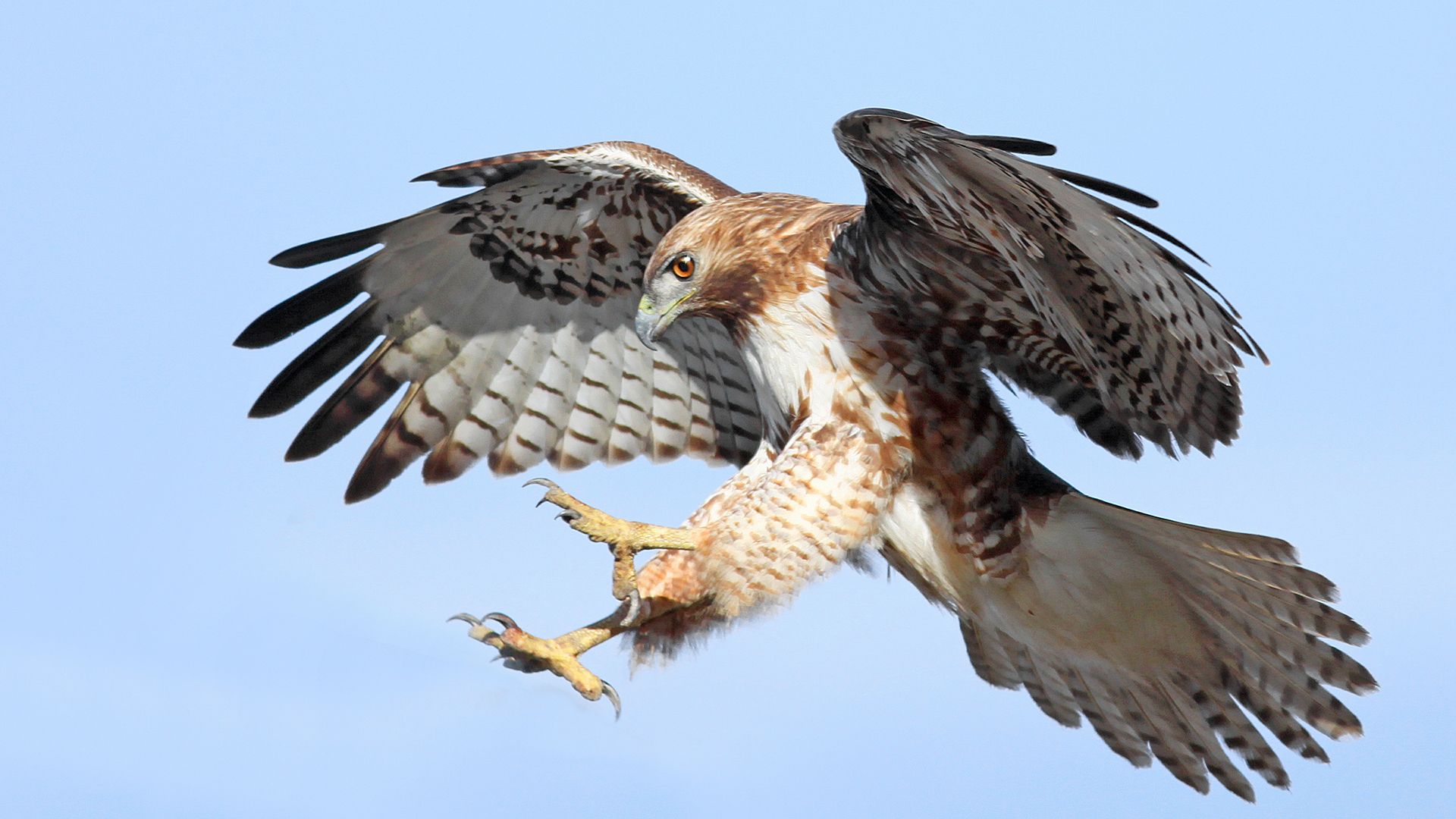
The goshawk (Accipiter gentilis) has a long history in falconry, where it is classified as a "shortwing" due to its physical adaptation for hunting in…
How have goshawks been used in falconry throughout history?
The goshawk (Accipiter gentilis) has a long history in falconry, where it is classified as a “shortwing” due to its physical adaptation for hunting in enclosed, wooded environments. Historically, these powerful birds were highly valued and were once reserved specifically for the higher clergy.12
As natural sprinters, goshawks are trained to hunt from the falconer’s gloved fist or from trees, closing in on their quarry in rapid, accelerated bursts of speed. Unlike “longwings” (falcons) that typically pursue birds in open terrain, goshawks are primarily used to take ground game, such as rabbits, hares, and pheasants. Their strength allows them to take prey as large as foxes and grouse.2341
While the sport has evolved, the fundamental training techniques—such as “manning” (taming) and weight management—have remained largely consistent for centuries. Today, while they are considered unsuitable for novice falconers, goshawks remain one of the traditional species commonly flown by experienced practitioners worldwide.32
How do goshawks hunt, and what are their primary prey species?
Goshawks are powerful, short-winged raptors specifically adapted for hunting within enclosed, wooded environments. Their hunting strategy relies on agility and rapid, explosive bursts of speed rather than long-distance pursuit. In the wild, they typically hunt from a perch in trees, launching sudden attacks to capture their quarry. Like other true hawks, they utilize a technique known as raking, where they swiftly follow a target’s attempts to escape before securing it with their powerful talons.1523
Regarding their diet, goshawks are formidable predators capable of taking a wide variety of prey. Their primary prey species include:1
- Ground game: Such as rabbits and hares.2
- Birds: Including pheasants and grouse.12
- Other animals: They are strong enough to hunt prey as large as foxes.1
Because of their physical structure and specialized hunting style, they are highly effective at navigating dense cover to surprise prey that is close to the ground.52
In which habitats are goshawks typically found, and what is their geographic distribution?
Goshawks are primarily forest-dwelling birds that have adapted to thrive in wooded environments where their broad wings and long tails provide the maneuverability needed to navigate dense cover.162
Regarding their geographic distribution, the best-known species, the northern goshawk (Accipiter gentilis), is found in temperate to boreal forests throughout the Northern Hemisphere. While they are widespread, their populations have faced declines in certain regions, such as North America, and they have become rare in the British Isles.1
The term “goshawk” also encompasses several other species within the genus Accipiter and other related genera that occupy diverse habitats across the globe:
- Southern Hemisphere: Various species occur in the Southern Hemisphere, such as the Australian A. novaehollandiae.1
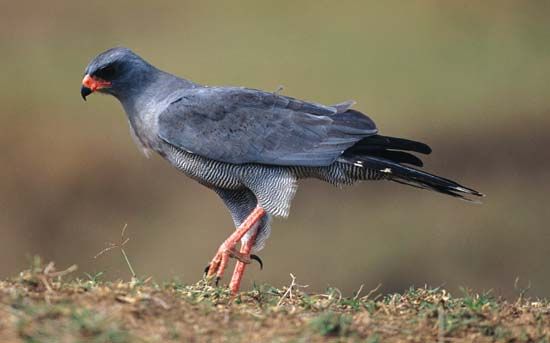
- Africa: The continent is home to the chanting goshawks, which are distinct for inhabiting open country, as well as the Gabar goshawk, which prefers forested areas.1
- Rare species: The red goshawk (Erythrotriorchis radiatus) is a rare bird found in Australia.1
What are the different species of goshawks found around the world?
The term “goshawk” refers to several powerful, short-winged raptors, primarily within the genus Accipiter. While the northern goshawk (Accipiter gentilis) is the most well-known species, the group includes a diverse array of birds found globally.
Species within the Genus Accipiter
- Northern Goshawk (Accipiter gentilis): A widespread, forest-dwelling bird of the Northern Hemisphere, recognized for its gray plumage and barred underparts.18
- Australian Goshawk (Accipiter novaehollandiae): Found in the Southern Hemisphere, this species is notable for its distinct color variations, appearing either gray or snowy white, with a black beak and striking ruby-red eyes.1
Other Species Referred to as Goshawks
Several birds from different genera are also commonly called goshawks:
- Chanting Goshawks (Melierax): Two African species known for their piping calls during the breeding season. These are large, long-winged birds of open country that forage primarily on the ground for lizards.16
- Gabar Goshawk (Melierax or Micronisus gabar): A smaller, widespread African species that prefers forested habitats.1
- Red Goshawk (Erythrotriorchis radiatus): A rare Australian bird characterized by its brown plumage, relatively long wings, and short tail.1
Sources
- Goshawk — Encyclopædia Britannica
- What are the differences between hawks and falcons? — Encyclopædia Britannica
- falconry - Types of birds used in falconry — Encyclopædia Britannica
- falconry - Hunting and training techniques — Encyclopædia Britannica
- Hawk — Encyclopædia Britannica
- goshawk — Merriam-Webster
- Accipiter — Encyclopædia Britannica
- chanting falcon — Merriam-Webster
Published on · 3 min read