Forktail
A forktail is a term used to describe various animals characterized by a deeply cleft or forked tail, including certain species of fish like the swordfish or…
What is Forktail?
A forktail is a term used to describe various animals characterized by a deeply cleft or forked tail, including certain species of fish like the swordfish or birds such as the kite.12
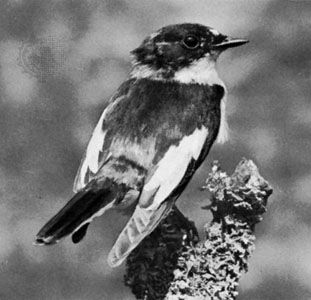
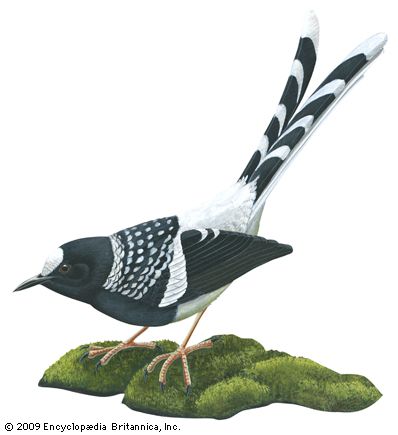
More specifically, the name refers to seven species of birds within the genus Enicurus, which are typically classified among the Old World flycatchers, Muscicapidae. These birds are primarily found in the Himalayas and other parts of Asia. They are known for their striking black-and-white plumage and their habit of swaying their long, deeply forked tails while foraging for insects along mountain streams. Most species, such as the spotted forktail and the black-backed forktail, reach lengths of about 28 cm, though the little forktail is notably smaller.31
What other birds live near mountain streams?
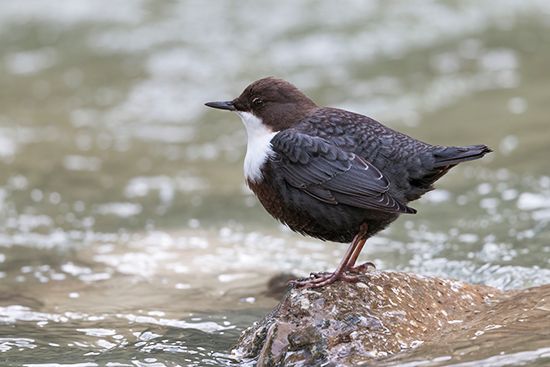
Beyond the forktail, other birds are well-adapted to life near mountain streams. The most notable are the dippers (genus Cinclus), a group of five songbird species found in mountainous regions across the globe, including the Himalayas, Europe, and the Americas.4
Dippers are uniquely specialized for these environments; they are known for their ability to walk underwater in rushing streams to hunt for insects and are often recognized by their frequent body-bobbing behavior. They typically build dome-shaped nests made of moss in crevices, frequently positioning them behind waterfalls for protection.45
In the Himalayan region specifically, the bird life is exceptionally diverse. Other species frequently observed in these mountainous areas include:
- Whistling thrushes: Often found near water sources in high-altitude habitats.6
- Redstarts: A group of birds commonly seen in the varied terrain of the Himalayas.6
- Magpies and Choughs: Various species of these birds inhabit the region’s diverse ecosystems.6
How do birds use their tails for balance and flight?
Birds use their tails as essential tools for both flight and balance, working in tandem with their wings to maintain stability and control in the air. While wings provide the primary lift and propelling force, the tail acts as a rudder, allowing birds to steer and make quick, intricate maneuvers.789
The structural foundation for this capability is the pygostyle, a bone formed by the fusion of several tail vertebrae at the end of the spinal column. This appendage supports the tail feathers, known as rectrices, which are specialized contour feathers that define the bird’s aerodynamic profile.1011
The effectiveness of the tail varies by species and flight style:
- Maneuverability: Birds like swallows and frigate birds possess deeply forked tails that enable rapid changes in direction and graceful, intricate flight patterns.9
- Precision: Predators such as the goshawk utilize long tails to execute sharp, quick turns while pursuing prey through dense environments like forests.9
- Support: Some birds, such as woodpeckers, have evolved strong, stout tail feathers that serve as props for balance while they climb or cling to tree trunks.9
What are some other examples of birds in the Muscicapidae family?
The Muscicapidae family is a large and diverse group of small insectivorous birds. While often associated with Old World flycatchers, the family also encompasses a variety of thrushlike forms.
According to the classification of this family, other notable examples include:
- Chats: A group of small, insect-eating birds often found in scrublands and open areas.12
- Wheatears: Known for their distinct behaviors and presence in diverse habitats.12
- Redstarts: These birds are recognized for their varied colors and active nature.12
- Scrub-robins: Members of the thrushlike group within the family.12
- Forktails: These birds are frequently associated with riverine areas and mountain streams.12
Taxonomy within this family can be complex, as authorities sometimes disagree on which specific groups should be included. When considered in a broader sense, some classification systems also group warblers, thrushes, and babblers within the Muscicapidae, though these are frequently categorized as separate families in other systems.13
Sources
- Forktail — Encyclopædia Britannica
- forktail — Merriam-Webster
- fork-tailed — Merriam-Webster
- Dipper — Encyclopædia Britannica
- American dipper — Merriam-Webster
- Himalayas - Animal life — Encyclopædia Britannica
- Why Do Animals Have Tails? — Encyclopædia Britannica
- Tail — Encyclopædia Britannica
- Bird - Flight — Encyclopædia Britannica
- Integument - Birds — Encyclopædia Britannica
- Bird - Skeleton — Encyclopædia Britannica
- Flycatcher — Encyclopædia Britannica
- Muscicapidae — Encyclopædia Britannica
- Passeriform - Annotated classification — Encyclopædia Britannica
Published on · 3 min read