Gower
The Gower Peninsula is located in the city and county of Swansea, within the historic county of Glamorgan, Wales. It extends southwest into the Bristol…
Where is the Gower Peninsula located, and what are its geographical features?
The Gower Peninsula is located in the city and county of Swansea, within the historic county of Glamorgan, Wales. It extends southwest into the Bristol Channel.12
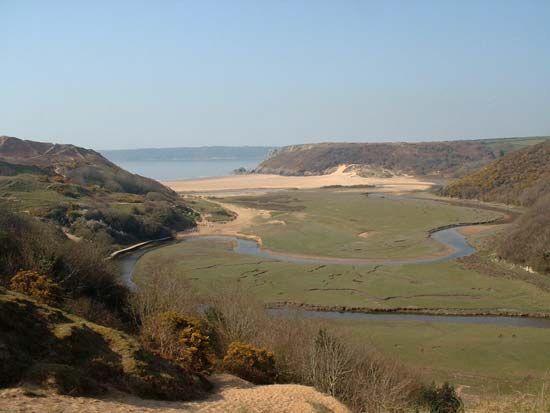
Geographically, Gower is primarily a rolling plateau ranging from 150 to 450 feet (45–140 meters) in height, characterized by the following features:
- Topography: The landscape is marked by narrow, steep-sided valleys carved by short streams and prominent ridges, such as Cefn Bryn in the west.1
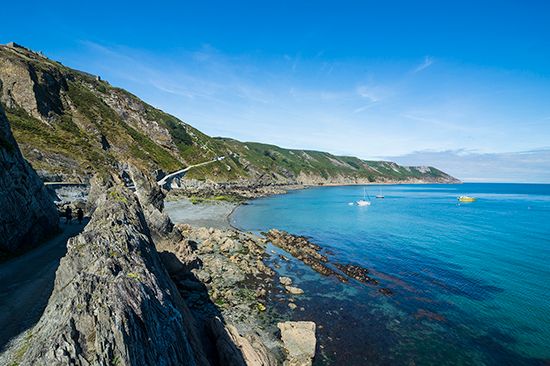
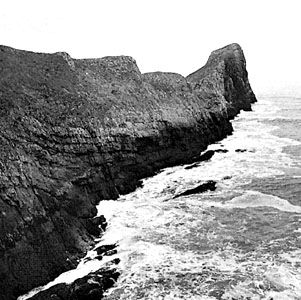
- Coastline: The south coast is famous for its picturesque limestone cliffs and coves, while the west features extensive sand dunes. In contrast, the north coast, bordering the Burry Inlet, is marshy.1
- Land Use: The peninsula is largely agricultural, focusing on dairying and market gardening. It is officially designated an area of outstanding natural beauty.12
- Notable Areas: The Mumbles, located on the eastern coast, serves as a popular resort area.12
What is the historical significance of the Gower Peninsula?
The Gower Peninsula possesses a rich historical legacy spanning from prehistoric eras to the Middle Ages. Human occupation dates back to the Paleolithic period, evidenced by a skeleton discovered in a cave in 1823, while numerous barrows and megaliths testify to later prehistoric communities. The region is also notable for its wealth of prehistoric hill forts and burial chambers.12
During the Roman era, the peninsula hosted settlements such as the villa found at Oystermouth, followed by the establishment of cells by Celtic monks during the early Middle Ages of cells by Celtic monks during the early Middle Ages. A major turning point occurred with the Norman Conquest of Gower around 1100 CE. This event led to a cultural divide: the southern region, known as Gower Anglicana, saw an influx of Flemish and other settlers, while the remainder, Gower Wallicana, preserved Welsh traditions and populations. The landscape remains dotted with 13th-century castles and churches that reflect this medieval heritage.12
How has the Gower Peninsula’s coastline been shaped by natural forces over time?
The Gower Peninsula’s coastline is a product of diverse geological and hydrodynamic forces that have created distinct environments along its perimeter. The southern coast is defined by limestone cliffs and coves, which have been sculpted over time by the erosive power of the sea against the peninsula’s plateau structure.1
In contrast, the western and northern sections of the peninsula demonstrate the impact of sediment transport. The western coast features extensive sand dunes, such as Llangennith and Whitford Burrows, which are formed by the accumulation of wind-blown and water-borne materials. These features are influenced by longshore currents, which are generated when waves approach the shore at an angle and refract in shallow water. These currents, driven ultimately by wind direction, transport significant volumes of sediment along the shoreline, continuously reshaping the coastal profile. Meanwhile, the northern coast, bordering the Burry Inlet, remains marshy, reflecting a different depositional environment where lower energy conditions allow for the accumulation of finer sediments.13
How does the Gower Peninsula’s ecosystem contribute to its status as an Area of Outstanding Natural Beauty?
The Gower Peninsula’s status as an Area of Outstanding Natural Beauty is rooted in its diverse and picturesque landscape, which supports a variety of habitats. The peninsula is primarily a plateau characterized by limestone cliffs, coves, and ridges like Cefn Bryn, which provide unique environments for both flora and fauna.1
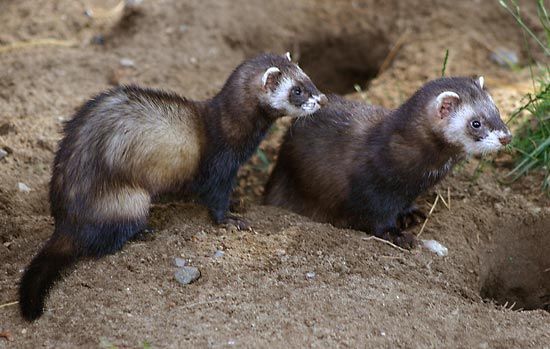
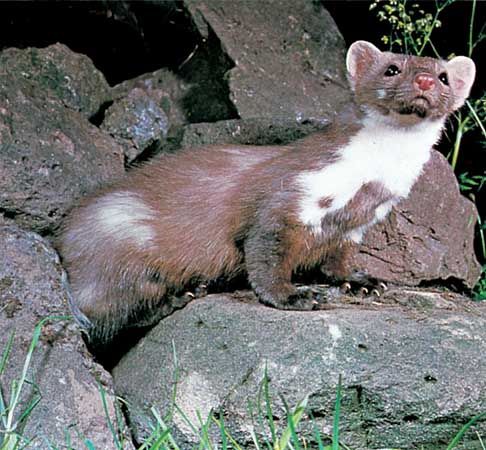
The region’s ecological value is enhanced by its varied coastal geography. To the west, extensive sand dunes such as Llangennith and Whitford Burrows create specialized habitats, while the northern coast, bordering the Burry Inlet, features marshlands that support distinct biological communities. These natural features, combined with a long history of agricultural land use—including dairying and market gardening—have preserved a landscape that balances human activity with environmental preservation. While the provided sources do not detail specific species unique to Gower, the broader Welsh landscape is known for supporting rare wildlife, including polecats, pine martens, and various seabirds, which contribute to the ecological richness of designated areas across the country.14
Sources
- Gower — Encyclopædia Britannica
- Swansea — Encyclopædia Britannica
- coastal landforms - Longshore currents — Encyclopædia Britannica
- Wales - Plant and animal life — Encyclopædia Britannica
Published on · 3 min read