Grains of Paradise
Grains of paradise are the pungent seeds of Aframomum melegueta, a reedlike plant belonging to the Zingiberaceae family, which also includes ginger. Native…
What is grains of paradise?
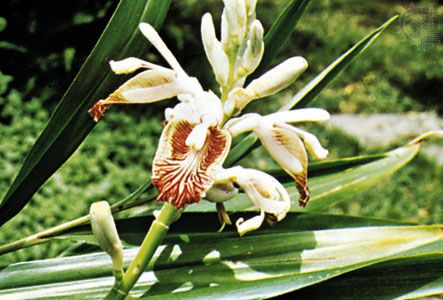
Grains of paradise are the pungent seeds of Aframomum melegueta, a reedlike plant belonging to the Zingiberaceae family, which also includes ginger. Native to tropical western Africa and the islands of São Tomé and Príncipe, these seeds have been utilized for centuries as both a spice and a traditional medicine.12
The seeds are found within the acidic pulp of the plant’s fruit and are characterized by a glossy, dark brown husk. Historically, they were used to flavor beverages such as the wine known as hippocras, often in combination with other spices like cinnamon. Chemically, the seeds contain a neutral essential oil and a viscid, brown resin1. Today, they remain a notable export from Ghana and are cultivated in various tropical regions.1
How is this spice related to ginger and cardamom?
Grains of paradise, ginger, and cardamom are all members of the Zingiberaceae family, commonly known as the ginger family. This family is the largest within the order Zingiberales and consists of aromatic, herbaceous perennial plants that typically thrive in moist tropical and subtropical regions.123
While they share this botanical classification, they belong to different genera:
- Grains of paradise (Aframomum melegueta) are native to tropical western Africa.12
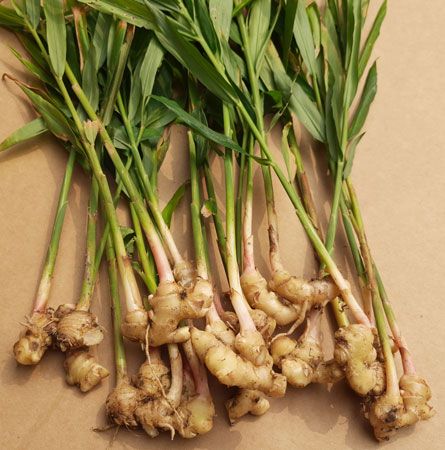
- Ginger (Zingiber officinale) is likely native to southeastern Asia and is valued for its pungent rhizome.42
- Cardamom (Elettaria cardamomum) is native to the forests of southern India and is prized for its aromatic seeds.23
Common traits among these plants include the presence of essential oils that provide their characteristic flavors and scents, as well as their historical and contemporary use as spices and medicinal agents.1423
What historical role did this spice play in the medieval spice trade?
Grains of paradise played a significant role in the medieval spice trade, emerging as a valued commodity by the 15th century. Native to tropical western Africa, these pungent seeds were highly sought after in Europe, where they were commonly used to flavor beverages such as the spiced wine known as hippocras, often in combination with ginger and cinnamon.26
The pursuit of such spices was a primary driver of European exploration during this era. As Portuguese navigators probed the African coast, their efforts were motivated by the desire to bypass existing trade routes and secure direct access to the lucrative spice markets. This interest in African resources eventually led to the establishment of permanent trading posts, such as the fortress at Elmina in the Gulf of Guinea (1481–82), which facilitated the trade of local goods, including these prized seeds.7
How do chefs use grains of paradise in modern cooking?
In modern culinary applications, chefs utilize grains of paradise as a spice valued for its unique, pungent flavor profile. Because the seeds contain a neutral essential oil and a viscid resin, they offer a complex heat that is often described as a cross between black pepper, cardamom, and citrus.
Chefs frequently use the seeds in the following ways:
- Grinding: Similar to black peppercorns, the seeds are typically ground fresh using a pepper mill to release their aromatic oils just before serving.
- Seasoning: They are used to season meats, fish, and vegetable dishes, providing a subtle, woody warmth that is less aggressive than standard black pepper.
- Infusions: The seeds are sometimes used to infuse flavor into sauces, marinades, and even craft beverages, building on their historical use in spiced wines like hippocras.
While they were once a staple of medieval European kitchens, their use today is often favored by chefs looking to add a sophisticated, nuanced depth to both savory and sweet preparations.12
Sources
- grains of paradise — Encyclopædia Britannica
- grains of paradise — Merriam-Webster
- ginger — Encyclopædia Britannica
- Zingiberaceae — Encyclopædia Britannica
- cardamom — Encyclopædia Britannica
- history of Portugal - Conquest and exploration — Encyclopædia Britannica
- melegueta pepper — Merriam-Webster
- grain of paradise — Merriam-Webster
Published on · 3 min read