Grand Staircase–Escalante National Monument
The Grand Staircase–Escalante National Monument is a significant site for paleontological research, particularly within the Kaiparowits Plateau located in…
What paleontological discoveries have been made in the Grand Staircase-Escalante National Monument?
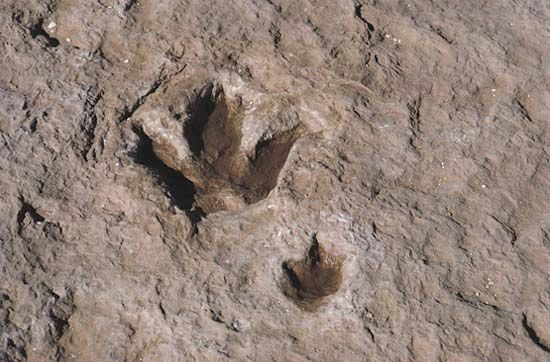
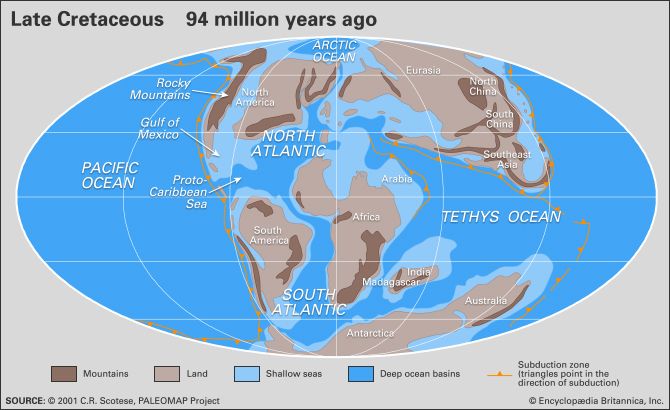
The Grand Staircase–Escalante National Monument is a significant site for paleontological research, particularly within the Kaiparowits Plateau located in the center of the monument. This region is renowned for containing a wealth of fossils dating back to the Cretaceous Period, which spanned approximately 65 to 145 million years ago.1
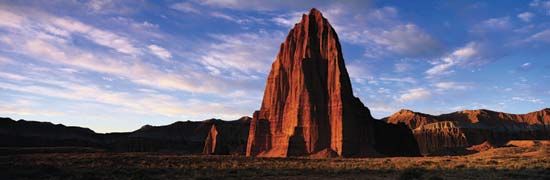
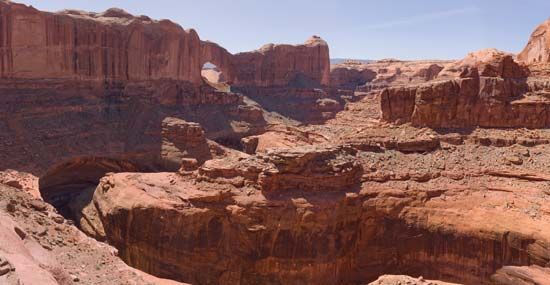
In addition to these fossil remains, the area is noted for its deposits of petrified wood and various prehistoric artifacts, which provide valuable insights into the region’s ancient history. The monument’s diverse geological layers, which form part of the “Grand Staircase” of cliffs, continue to be a subject of interest for scientists studying the biological and environmental history of the Earth during the Mesozoic Era.1
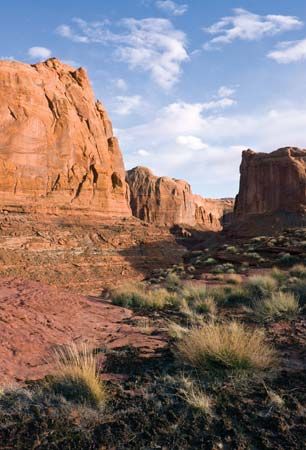
Where is the Grand Staircase-Escalante National Monument located, and how large is it?
The Grand Staircase–Escalante National Monument is located in a rugged, remote region of southern Utah, United States. It is situated near several other protected areas, including Capitol Reef National Park to the northeast, Bryce Canyon National Park to the west, and the Arizona state line to the south.1
Established in 1996, the monument encompasses an area of more than 2,900 square miles (7,500 square km). Its landscape is defined by three distinct regions: the Grand Staircase, the Kaiparowits Plateau, and the canyons carved by the Escalante River.1
What recreational activities are available for visitors to the Grand Staircase-Escalante National Monument?
Visitors to the Grand Staircase–Escalante National Monument can enjoy a variety of outdoor recreational activities in its largely undeveloped landscape. Popular pursuits include:
- Hiking: The monument offers diverse terrain, ranging from desert expanses to evergreen forests. Notably, the Escalante River has carved a network of narrow, steep-sided canyons that provide challenging routes for hikers.1
- Camping: The monument provides opportunities for visitors to experience its remote and rugged environment through camping.1
- Horseback Riding: This is a popular way to traverse the monument’s expansive and scenic terrain.1
Because the monument remains largely undeveloped, it offers a unique experience for those looking to explore its colorful cliffs, plateaus, and deep canyons.
What types of flora and fauna can be found within the Grand Staircase-Escalante National Monument?
The Grand Staircase–Escalante National Monument features a diverse range of biomes, supporting a wide variety of flora and fauna across its rugged landscape.1
Flora
The monument’s vegetation varies significantly depending on the elevation and moisture levels of the specific region. The plant life ranges from nearly barren desert environments to lush evergreen forests. Common plant types found throughout the area include:
- Trees: A mix of coniferous and deciduous species.1
- Desert Plants: Various types of cactus and yucca are well-adapted to the arid conditions found in many parts of the monument.1
Fauna
The monument provides a habitat for a diverse array of wildlife, including several large mammals and a significant bird population. Notable species include:
Sources
- Grand Staircase–Escalante National Monument — Encyclopædia Britannica
- Grand Staircase-Escalante National Monument — Merriam-Webster
- Zion National Park — Encyclopædia Britannica
- Utah - Plant and animal life — Encyclopædia Britannica
- Death Valley - Plant and animal life — Encyclopædia Britannica
Published on · 2 min read