Granite Peak
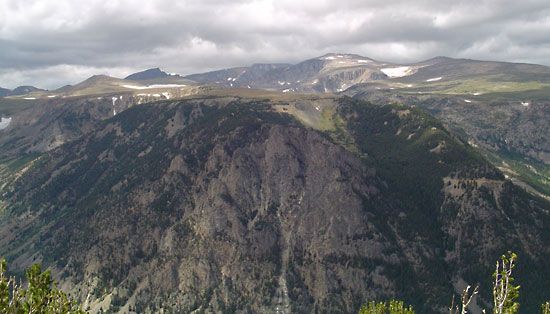
Granite Peak is a mountain located in the Beartooth Range of southern Montana, United States. Standing at an elevation of 12,799 feet (3,901 meters), it is…
What is Granite Peak?
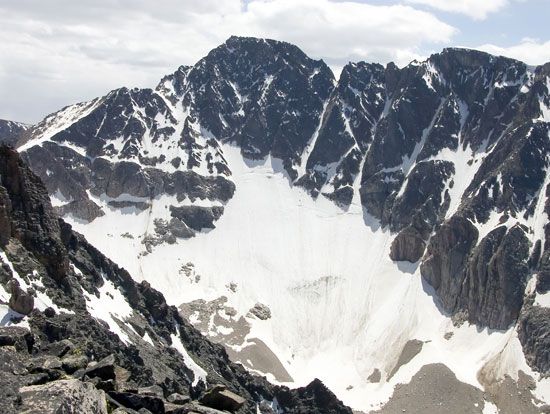
Granite Peak is a mountain located in the Beartooth Range of southern Montana, United States. Standing at an elevation of 12,799 feet (3,901 meters), it is the highest point in the state.12
The peak is situated within the Absaroka-Beartooth Wilderness, northeast of Yellowstone National Park and approximately 10 miles north of the Montana-Wyoming border. The surrounding region is characterized by high mountain passes and lakes, and it is a popular destination for outdoor activities such as hunting, fishing, and winter sports.1
What is the Beartooth Range?
The Beartooth Range is a segment of the northern Rocky Mountains located in the United States, stretching 50 miles (80 km) from the Stillwater River in southern Montana to the Clarks Fork of the Yellowstone River in northwestern Wyoming.3
Key features of the range include:
- Topography: Many peaks exceed 12,000 feet (3,700 m), most notably Granite Peak, which at 12,799 feet (3,901 m) is the highest point in Montana.3
- Landscape: The area is defined by scenic granite formations, high plateaus, glaciers, and alpine lakes.3
- Protected Areas: It encompasses portions of the Gallatin, Custer, and Shoshone national forests, as well as the Absaroka-Beartooth Wilderness.3
- History: In 1877, Chief Joseph led the Nez Percé people through these mountains during their attempt to reach Canada.3
How do mountains like Granite Peak form?
Mountains like Granite Peak are formed through tectonic processes that elevate the Earth’s crust faster than erosion can wear it down. These processes generally fall into three categories:3
- Horizontal Crustal Shortening: This occurs through folding and faulting. In the Rocky Mountains, which include the Beartooth Range, blocks of the crust have been thrust or pushed upward over adjacent areas. This process thickens the crust and creates high-relief mountain belts.67
- Volcanism: Some mountains are built by the accumulation of volcanic rock or the intrusion of molten rock from below, which raises the surface.7
- Thermal Expansion: Large areas can be uplifted when the crust and upper mantle are heated, causing the material to expand and stand at higher elevations.83
While tectonic forces build these structures, erosional processes—such as those from streams and glaciers—sculpt the final, rugged profiles of peaks like Granite Peak.79
What is the Absaroka-Beartooth Wilderness?
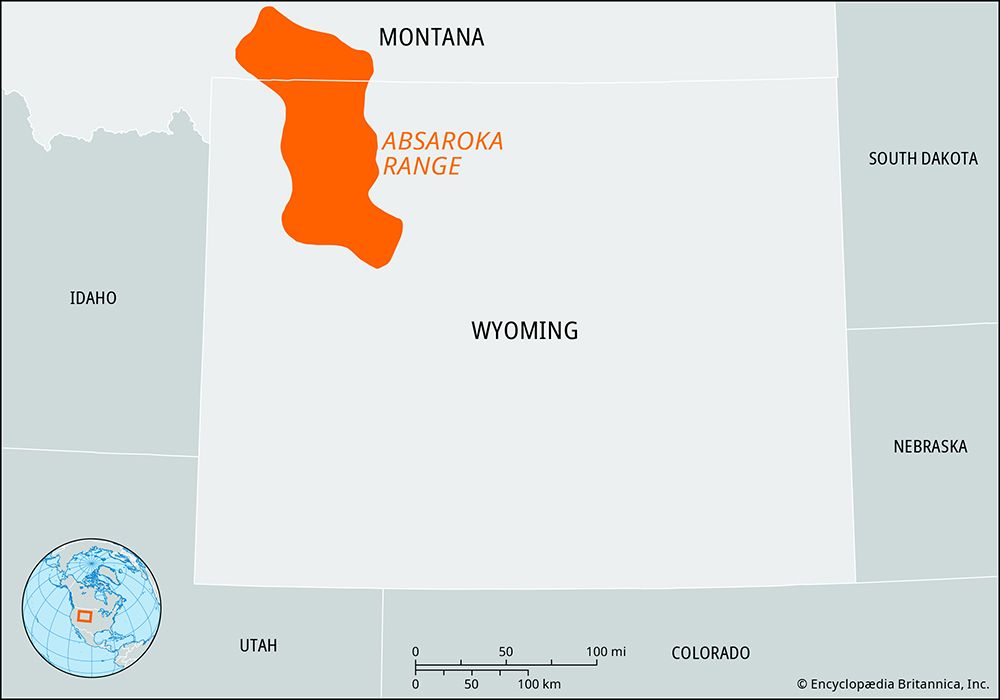
The Absaroka-Beartooth Wilderness is a protected area located within the northern Rocky Mountains, spanning portions of southern Montana and northwestern Wyoming.43
This wilderness area encompasses significant sections of the Gallatin, Custer, and Shoshone national forests. It is characterized by a rugged landscape featuring high plateaus, glaciers, alpine lakes, and dramatic granite formations. The region is geographically associated with both the Absaroka Range—a volcanic-origin range—and the Beartooth Range, which contains Granite Peak, the highest point in Montana.43
The area serves as a vital natural landscape for recreation and conservation, drawing visitors interested in its unique geological features and alpine environment.3
Sources
- Granite Peak — Encyclopædia Britannica
- Granite Peak — Merriam-Webster
- Beartooth Range — Encyclopædia Britannica
- Absaroka Range — Encyclopædia Britannica
- Montana - Cultural life — Encyclopædia Britannica
- tectonic landform — Encyclopædia Britannica
- plate tectonics - Mountain building — Encyclopædia Britannica
- mountain - Geomorphic characteristics — Encyclopædia Britannica
- mountain - Heating and thermal expansion — Encyclopædia Britannica
- mountain - Tectonic processes that produce high elevations — Encyclopædia Britannica
Published on · 2 min read