Lochnagar
Lochnagar is a scenic mountain composed of coarse red granite located in Aberdeenshire, Scotland. Situated south of the River Dee within the Grampian…
What is Lochnagar?
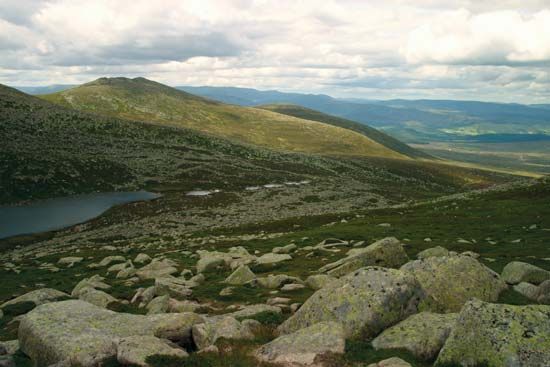
Lochnagar is a scenic mountain composed of coarse red granite located in Aberdeenshire, Scotland. Situated south of the River Dee within the Grampian Mountains, the ridge features 11 summits exceeding 3,000 feet (900 metres), with its highest point, Cac Carn Beag, reaching 3,786 feet (1,154 metres).1
The name Lochnagar, which translates to “Goat Lake,” originally referred only to the small loch situated at the base of the mountain’s eastern ridge. The mountain gained significant popularity in the 19th century following the publication of the poem “Lachin y Gair” by Lord Byron Gair” by Lord Byron.1
Who was Lord Byron and why did he write about this mountain?
Lord Byron (1788–1824) was a prominent British Romantic poet and satirist who became one of Europe’s first great literary celebrities. Born George Gordon Byron, he spent part of his childhood living in Aberdeen, Scotland, with his mother, Catherine Gordon, after his father squandered her fortune.231
Byron is best known for creating the “Byronic hero”—a brooding, rebellious, and melancholy archetype—most notably in his autobiographical poem Childe Harold’s Pilgrimage. Later in his career, he gained acclaim for the satiric realism of his masterpiece, Don Juan.24
He wrote about the mountain Lochnagar in his poem “Lachin y Gair” due to his personal connection to the Scottish landscape from his youth. The poem reflects his early experiences in the region, which remained a significant influence on his later work and his development as a Romantic writer.51
What are the Grampian Mountains known for?
The Grampian Mountains are a major mountain range in the Highlands of Scotland, known for several distinct geographical and historical features:
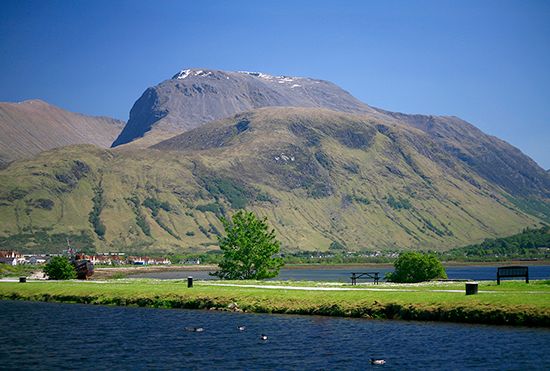
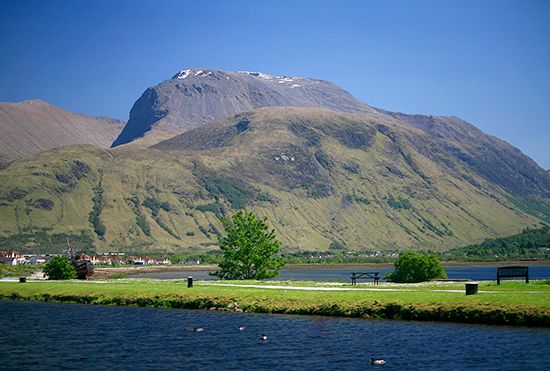
- Highest Peaks: The range contains the highest mountains in the British Isles, including Ben Nevis, which reaches an elevation of 4,406 feet (1,343 metres).78
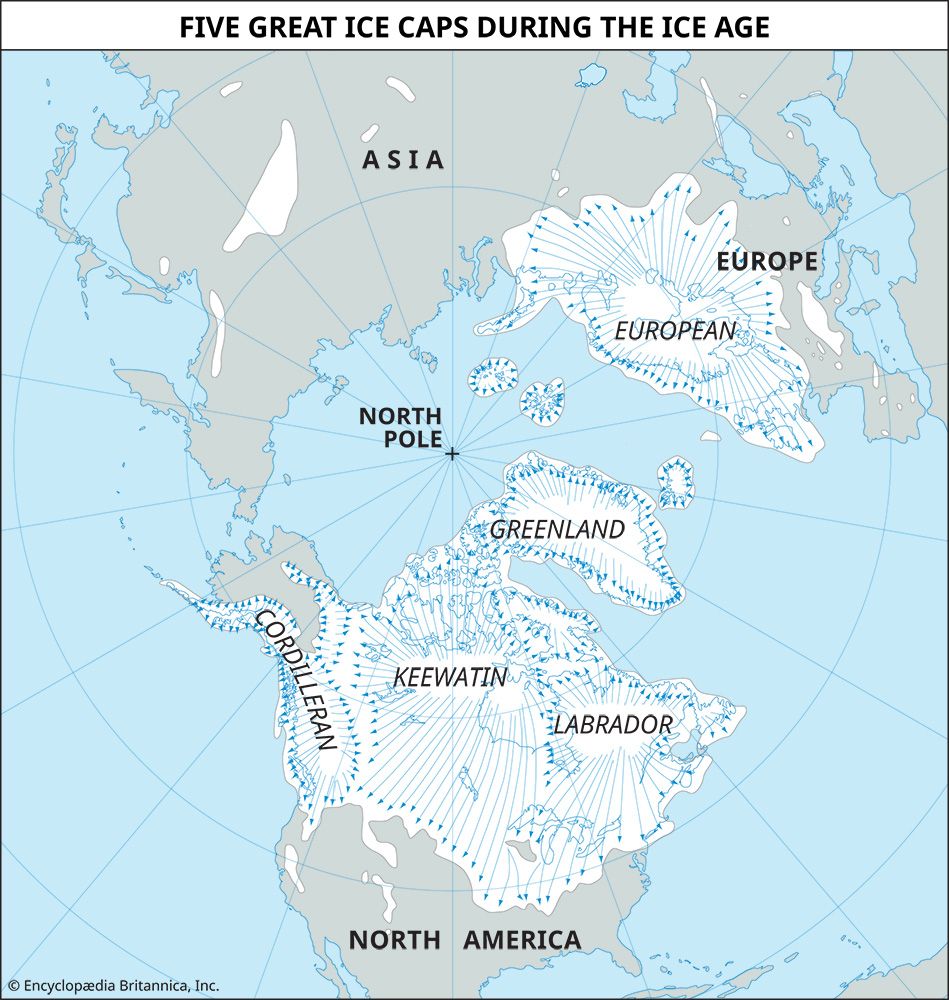
- Geological Character: Shaped by glaciation, the mountains are generally less rugged than those in the northwest, featuring rounded, grassy slopes and wide plateaus, though they also contain dramatic cliffs and pinnacles that attract mountaineers.8
- Cairngorm Massif: The range includes the Cairngorm Mountains, a granitic massif known for its high elevations, including Ben Macdui, and a significant winter-sports industry centered in Aviemore.89
- Historical Significance: The name derives from the Mons Graupius, the site of a battle around 84 CE where the Roman general Agricola defeated the indigenous Picts.7
- Landscape Variety: The area is characterized by deep, wide valleys known as straths, numerous freshwater lochs, and unique features like Rannoch Moor, a vast expanse of bogs and granite.810
What does the term ‘Munro’ mean in Scottish geography?
Sorry, the Britannica knowledge base does not contain this information.
Sources
- Lochnagar — Encyclopædia Britannica
- Lord Byron — Encyclopædia Britannica
- Lord Byron: Top Questions — Encyclopædia Britannica
- Lord Byron - Early life, family, and sexuality — Encyclopædia Britannica
- English literature - The later Romantics: Shelley, Keats, and Byron — Encyclopædia Britannica
- Lord Byron - Coming of age and first cantos of Childe Harold’s Pilgrimage — Encyclopædia Britannica
- Grampian Mountains — Encyclopædia Britannica
- Scotland - Relief of Scotland — Encyclopædia Britannica
- United Kingdom - The highland zone — Encyclopædia Britannica
- Cairngorm Mountains — Encyclopædia Britannica
- Monadhliath Mountains — Encyclopædia Britannica
- Munro — Merriam-Webster
Published on · 2 min read