Grapefruit
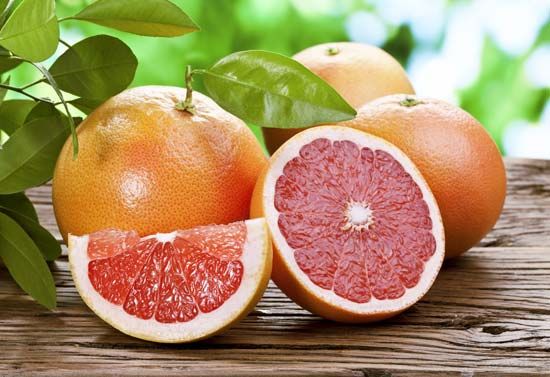
The grapefruit (Citrus ×paradisi) is a citrus tree belonging to the Rutaceae family. It is widely believed to have originated in Barbados as a hybrid…
What is the origin and history of the grapefruit tree?
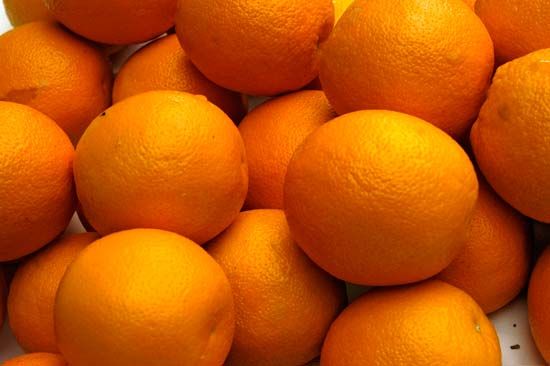
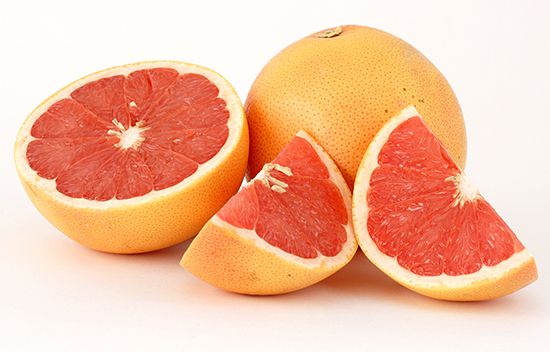
The grapefruit (Citrus ×paradisi) is a citrus tree belonging to the Rutaceae family. It is widely believed to have originated in Barbados as a hybrid species. Specifically, the grapefruit is a cross between the shaddock—also known as the pummelo—and the sweet orange.12
Following its emergence in the West Indies, the tree became well-established for home consumption before its cultivation expanded to the American mainland and eventually to other global regions, including Israel, South Africa, and Brazil. The fruit was first recorded in historical usage around 1814. Today, the tree is valued for its vigorous growth and its ability to produce large, juice-filled fruit that serves as a significant source of vitamin C.13
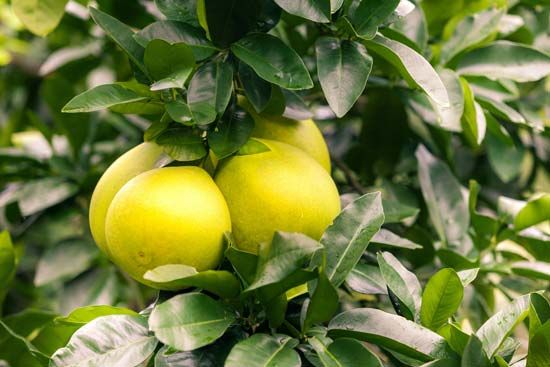
How does the grapefruit tree grow, and what are its ideal growing conditions?
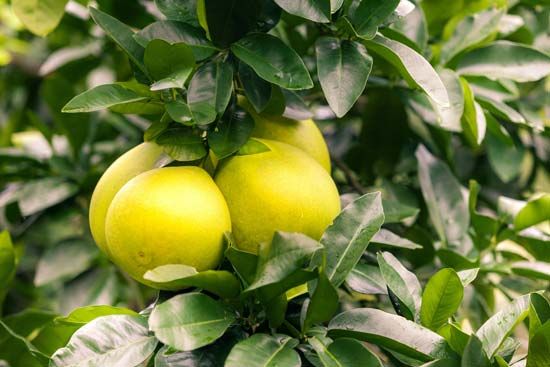
The grapefruit tree (Citrus ×paradisi) is a vigorous, dense-foliaged plant that typically reaches heights of 4.5 to 6 meters (15 to 20 feet). It features dark, shiny green leaves and large white flowers that bloom in the leaf axils. Trees generally begin producing commercially viable crops between the fourth and sixth year after planting, with mature specimens capable of yielding remarkably large harvests.1
Ideal Growing Conditions
To achieve the highest quality fruit, grapefruit trees require specific environmental and soil conditions:
- Soil: They thrive in sandy, relatively fertile soils. Proper internal drainage is essential, as heavy subsoil or poor drainage can lead to weak, shallow root systems.14
- Fertilization: Supplementary fertilization is necessary in nearly all production regions to maintain tree health and productivity.1
- Climate: Citrus trees are sensitive to frost. Sites must be selected to avoid unusual frost hazards, as freezing temperatures can be highly detrimental to the trees.4
- Management: In areas with poor soil or drainage, techniques such as tiling, surface ditching, or the use of cover crops may be employed to improve site suitability.4
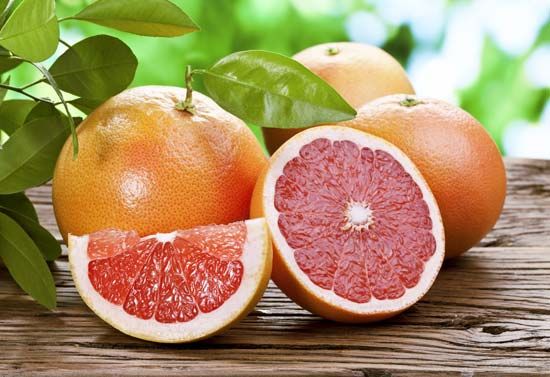
How long does it take for a grapefruit tree to bear fruit?
Grapefruit trees are known for their early maturity. Once planted in an orchard, they typically begin to bear fruit and can be expected to produce commercially profitable crops between the fourth and sixth year.1
What are the main differences between a pummelo and a grapefruit?
While the pummelo and grapefruit are closely related, they are distinct citrus fruits with notable differences in origin, physical structure, and flavor.
The pummelo (Citrus maxima) is one of the original citrus species native to Southeast Asia and Malaysia. In contrast, the grapefruit (Citrus ×paradisi) is a hybrid resulting from a cross between the pummelo and the sweet orange.3
Key differences include:
- Size and Shape: The pummelo is a very large fruit, often spheroid or pear-shaped, and is generally larger than a grapefruit.35
- Rind and Pulp: The pummelo is characterized by a very thick rind that is loose and shells easily from the fruit. Its pulp is often described as coarse and dry compared to the juicier, more refined texture of a grapefruit.35
- Flavor: Pummelos are typically sweet, whereas grapefruits are known for their signature tart or acidic flavor profile.3
Sources
- Grapefruit — Encyclopædia Britannica
- grapefruit — Merriam-Webster
- pummelo — Encyclopædia Britannica
- Fruit farming - Site selection — Encyclopædia Britannica
- pomelo — Merriam-Webster
Published on · 3 min read