Orange
Oranges and other citrus fruits belong to the genus Citrus, which is part of the rue family, known as Rutaceae. Botanically, these plants are classified as…
What is the botanical classification of oranges and their related citrus fruits?
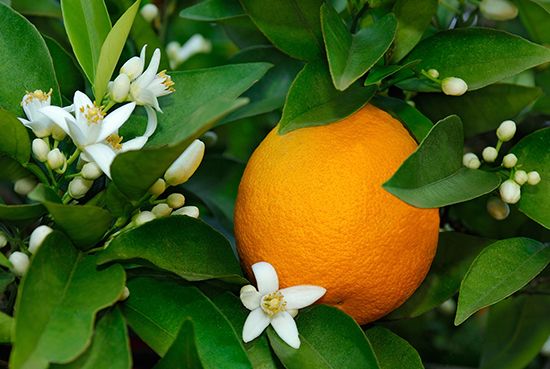
Oranges and other citrus fruits belong to the genus Citrus, which is part of the rue family, known as Rutaceae. Botanically, these plants are classified as evergreen trees or shrubs that produce a specialized type of berry called a hesperidium, characterized by a leathery, oil-gland-studded rind and flesh divided into juice-filled segments.12
Commonly cultivated species within this genus include:
- Sweet orange (Citrus ×sinensis)12
- Mandarin orange (C. reticulata), which includes tangerines12
- Sour orange (C. ×aurantium)12
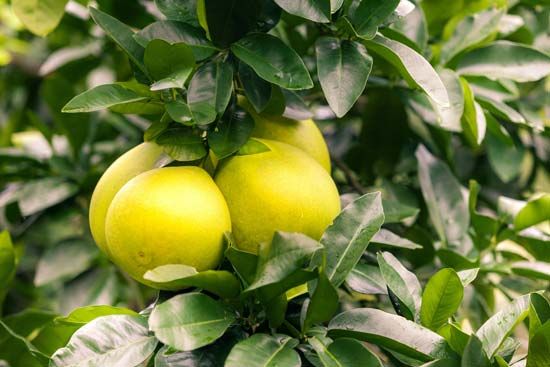
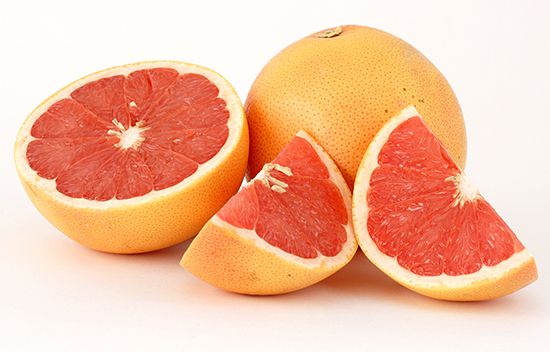
- Grapefruit (C. ×paradisi)13
- Lemon (C. ×limon)1
- Lime (C. ×aurantiifolia)1
- Citron (C. medica)1
- Shaddock (C. maxima)1
These fruits are highly valued for their nutritional content, particularly their high levels of vitamin C.23
How did oranges spread from their origin to become a globally cultivated fruit?
Oranges are native to tropical regions of Asia, specifically the Malay Archipelago, northeastern India, and southern China. From these origins, the cultivation of citrus spread through several historical channels:24
- Early Dispersal: Citrus fruits moved from their native habitat to the east coast of Africa and the eastern Mediterranean region via early trade routes.24
- Roman and Arab Influence: The Roman Empire facilitated early movement of citrus, while the expansion of Islam and the development of Arab trade routes significantly accelerated the spread of the sour orange into Europe by the 10th century.24
- Global Expansion: By the 15th century, the sweet orange had reached Europe. By the time of Christopher Columbus, orange trees were well-established in the Canary Islands, serving as a bridge for their introduction to the Americas.42
Today, oranges are cultivated globally in tropical and subtropical regions, including Australia, South Africa, and the United States.2
What are the main varieties of oranges and how do they differ?
Oranges are primarily categorized into three main types, each with distinct characteristics:
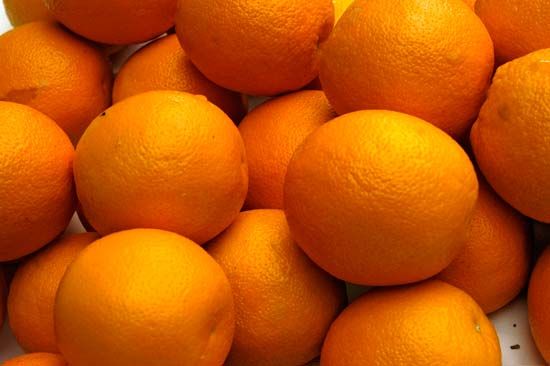
Sweet (Common) Oranges (Citrus ×sinensis)
This is the most economically important group, typically featuring round fruit with a sweet, acidulous pulp. Notable varieties include:2
- Navel: A popular seedless variety.2
- Blood Orange: Distinguished by its unique red-pigmented pulp.25
- Jaffa: A well-known variety originating from Israel.2
Mandarin Oranges (C. reticulata)
Mandarin oranges are distinct from sweet oranges in both appearance and structure. They are typically smaller, with a flattened shape, a loose reddish-orange peel, and segments that are easily separated. Tangerines are a specific variety within this group.26
Sour (Seville) Oranges (C. ×aurantium)
These are grown less extensively than sweet oranges and are primarily utilized for the production of marmalade due to their tart flavor profile.2
While these are the primary classifications, hybridization also occurs, such as the tangelo, which is a cross between a tangerine and a grapefruit.6
What by-products are made from orange peels and other parts of the fruit?
The processing of oranges yields a variety of valuable by-products, ensuring that nearly every part of the fruit is utilized. These materials are primarily derived from the peel, rind, and waste left over from juice production.8
Key by-products include:
- Essential Oils: The leathery rinds of citrus fruits are studded with oil glands. Through a process called expression, these oils are extracted and used extensively as flavorings in food and beverages, as well as fragrances in cosmetics, soaps, and industrial products.1
- Pectin: The peels of citrus fruits are a primary commercial source of pectin, a carbohydrate substance used as a thickening agent in the production of jams, jellies, and marmalades.98
- Limonene: Obtained as a by-product during the extraction of citrus juices, limonene is a major component of orange oil. It is used as a lemon-like odorant in household products and serves as a chemical intermediate for other products.102
- Candied Peel and Marmalade: The rinds are often processed directly into candied peel or used to create marmalade, a staple product particularly associated with sour or Seville oranges.8
- Stock Feed: The waste material remaining after the fruit has been processed for juice is frequently repurposed as feed for livestock.8
Sources
- Citrus — Encyclopædia Britannica
- Orange — Encyclopædia Britannica
- Grapefruit — Encyclopædia Britannica
- List of English Words from India - Orange — Encyclopædia Britannica
- Tangerine — Encyclopædia Britannica
- blood orange — Merriam-Webster
- Did you know? — Merriam-Webster
- Pectin — Encyclopædia Britannica
- Essential oil — Encyclopædia Britannica
- limonene — Encyclopædia Britannica
- Isoprenoid - Monoterpenes — Encyclopædia Britannica
- orange peel — Merriam-Webster
Published on · 3 min read