Hop Tree
The hop tree (Ptelea trifoliata) is a deciduous tree or shrub belonging to the rue family (Rutaceae). Native to eastern North America, it is frequently…
What is Hop tree?
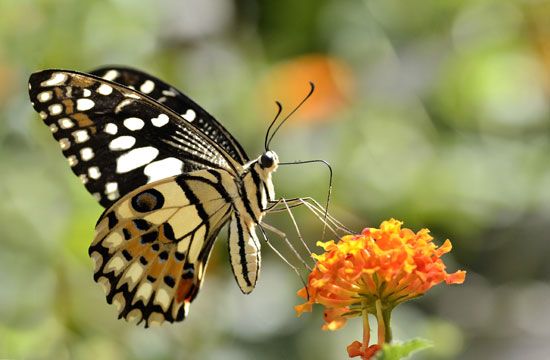
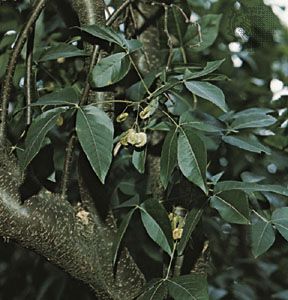
The hop tree (Ptelea trifoliata) is a deciduous tree or shrub belonging to the rue family (Rutaceae). Native to eastern North America, it is frequently cultivated as an ornamental plant and is known for being attractive to butterflies.1
The plant typically features a rounded crown and often possesses one or more crooked trunks with intertwining branches. Its compound leaves consist of three leaflets and emit a strong scent. During its growth cycle, the tree produces small, greenish-white flowers that develop into buff-coloured, wafer-shaped winged fruits, also known as 2-seeded samaras.12
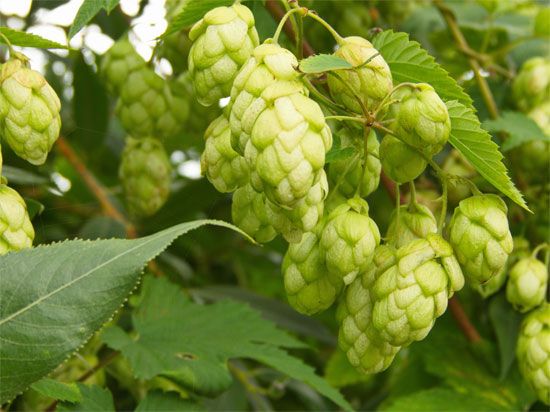
It is important to note that the hop tree is distinct from the common hop (Humulus lupulus), which belongs to the Cannabaceae family and is primarily used in the brewing industry.3
Why is the hop tree associated with butterflies?
The hop tree (Ptelea trifoliata) is considered attractive to butterflies primarily because it serves as a vital resource within their life cycle.
While the provided search results confirm that the hop tree is a known host plant that supports butterfly populations, they do not specify the exact biological mechanism—such as whether it serves as a primary food source for specific caterpillar larvae or provides essential nectar for adults. Generally, butterflies rely on specific plants for both larval development and adult feeding, and the inclusion of native species like the hop tree in gardens is recommended to help stabilize declining butterfly populations by providing necessary habitat.14
Because the provided search results do not detail the specific butterfly species that utilize the hop tree or the exact nature of their interaction, I cannot provide further specifics on this relationship.
What are the characteristics of the Rutaceae plant family?
The Rutaceae family, commonly known as the rue family, is a diverse group of flowering plants within the order Sapindales. It comprises approximately 160 genera and over 2,000 species, primarily distributed throughout warm temperate and tropical regions, with significant concentrations in Africa and Australia.67
Key Characteristics
- Growth Habit: Most members are woody trees or shrubs, though a few species are herbaceous perennials.67
- Foliage: The leaves are frequently aromatic, containing oil glands on their surfaces that produce characteristic scents.7
- Flowers: The flowers are generally showy, fragrant, and nectar-rich, facilitating pollination by insects such as bees and flies. They are typically perfect (containing both male and female organs) or sometimes unisexual.67
- Fruit Diversity: The family exhibits a wide variety of fruit types, including berries (such as the hesperidium found in Citrus), drupes, capsules, follicles, and samaras.7
Economic and Ornamental Importance
The family is highly valued for its economically significant fruit crops, particularly the genus Citrus, which includes lemons, oranges, limes, and grapefruits. Additionally, many species are cultivated as ornamentals, such as the hop tree and Japanese skimmia, while others provide essential oils used in perfumery and culinary applications.87
How do winged fruits help a plant spread its seeds?
Winged fruits are a specialized adaptation for wind dispersal, known as anemochory, which allows plants to spread their seeds away from the parent to reduce competition for resources like sunlight, water, and nutrients.1112
These structures facilitate dispersal through several aerodynamic mechanisms:
- Rotation and Flight: The one-winged propeller type, known as a samara, is famously found in maple trees. These “whirlybirds” spin as they fall, which slows their descent and allows the wind to carry them to new locations. Fruits with multiple wings on their sides, such as those of rhubarb and dock, also utilize rotation to stay airborne longer.131114
- Gliding and Fluttering: Some seeds and fruits are equipped with papery edges or large, thin wings that act as gliders. For example, the jacaranda produces “flutterers,” while the Javan cucumber (Alsomitra macrocarpa) features massive, aerodynamic wings that can span up to 15 cm (6 inches), allowing them to glide significant distances.1411
- Accessory Structures: Wings are not always part of the fruit itself; sometimes, accessory plant parts form the wing. A notable example is the linden (Tilia), where bracts—small, leaflike structures—act as wings to catch the breeze.1314
By increasing the surface area and creating lift or drag, these wings enable seeds to travel far beyond the reach of the parent plant, facilitating the colonization of new areas.1411
Sources
- hop tree — Encyclopædia Britannica
- hop tree — Merriam-Webster
- Rosales - Cannabaceae — Encyclopædia Britannica
- Monarch butterfly - Life cycle — Encyclopædia Britannica
- butterfly — Encyclopædia Britannica
- list of plants in the family Rutaceae — Encyclopædia Britannica
- Sapindales - Rutaceae — Encyclopædia Britannica
- Rutaceae — Encyclopædia Britannica
- rue — Encyclopædia Britannica
- Rosales - Characteristic morphological features — Encyclopædia Britannica
- Fruit - Wind dispersal — Encyclopædia Britannica
- Seed dispersal - Anemochory: wind dispersal — Encyclopædia Britannica
- Falling Far from the Tree: 7 Brilliant Ways Seeds and Fruits Are Dispersed — Encyclopædia Britannica
- Seed dispersal — Encyclopædia Britannica
Published on · 3 min read