Gray Birch
The gray birch (Betula populifolia) is characterized as a quick-growing tree species. While it is noted for its rapid growth, it is also relatively…
How fast does a gray birch tree grow compared to other tree species?
The gray birch (Betula populifolia) is characterized as a quick-growing tree species. While it is noted for its rapid growth, it is also relatively short-lived.1
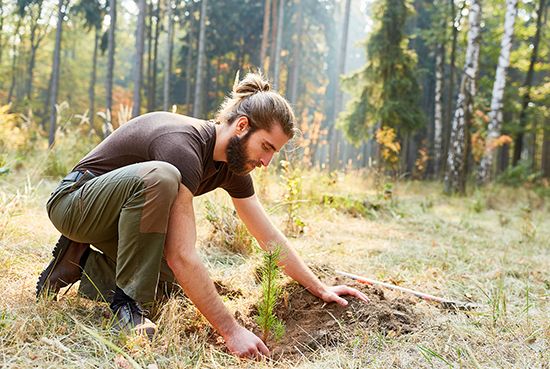
In ecological terms, the gray birch serves as a pioneer species; it seeds prolifically and quickly establishes ground cover on burned or abandoned sites, which helps protect the seedlings of more permanent, slower-growing tree species. Because it is a slender tree that rarely exceeds 12 meters (40 feet) in height and is susceptible to damage from ice and snow, its rapid growth is an adaptation that allows it to occupy disturbed environments before other species take hold.1
How is the gray birch tree used by humans, both historically and in modern times?
The gray birch (Betula populifolia) serves several practical purposes for humans, primarily through its utility as a material and its role in land management.
Wood and Ornamental Use
In modern times, the wood of the gray birch is utilized in turnery and as a source of fuel. Beyond its industrial applications, the tree is frequently planted as an ornamental in naturalistic landscapes due to its aesthetic appeal.1
Ecological and Historical Context
While other birch species, such as the sweet birch, are historically noted for providing materials like bark for canoes, roofing, and shoes, or sap for birch beer, the gray birch is primarily valued for its ecological function. As a quick-growing pioneer species, it plays a vital role in reforestation and erosion control. By establishing ground cover on abandoned or burned sites, it acts as a “nurse tree,” protecting the seedlings of more permanent, slower-growing species as they develop.231
How does the gray birch tree differ from other birch species?
The gray birch (Betula populifolia) is a distinct member of the Betulaceae family, differing from other birch species in several key physical and ecological characteristics:
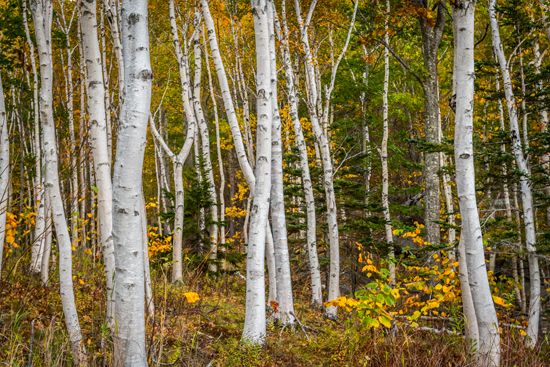
- Bark Appearance: While many birches are known for bark that peels horizontally in thin, papery sheets, the gray birch’s bark peels less and is not as white as that of the paper birch. It is also distinguished by rough, triangular black patches located below the junctions of its branches and trunk.1
- Leaf Shape: The gray birch has thin, triangular leaves with long stems that flutter in the wind, resembling those of poplar trees. This contrasts with the egg-shaped or pointed leaves common to many other birch species.12
- Growth and Size: It is a small, slender tree that rarely exceeds 12 meters (40 feet) in height, making it significantly smaller than many timber-producing birches like the Japanese monarch birch, which can reach 30 meters.12
- Ecological Role: As a short-lived, quick-growing pioneer species, it is uniquely adapted to colonize disturbed environments like old fields or burned areas, acting as a “nurse tree” for more permanent species.13
What are the key characteristics and distinguishing features of the gray birch tree?
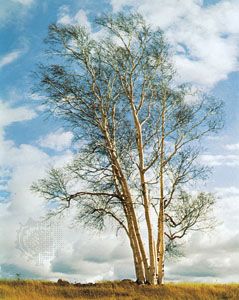
The gray birch (Betula populifolia) is a slender, short-lived tree native to northeastern North America, typically reaching heights of up to 12 meters (40 feet). It is characterized by a narrow pyramidal crown and flexible branches that often extend close to the ground.1
Key Distinguishing Features
- Bark: The bark is red-brown or gray on young stems, whitening as the tree matures. Unlike the paper birch, its bark is less white, peels less, and features distinct, rough triangular black patches below the junctions of branches and the trunk.1
- Leaves: The tree possesses thin, glossy, triangular leaves with long, slender stems that cause them to flutter in the wind, a trait reminiscent of poplar trees.1
- Growth Habit: It is a quick-growing, pioneer species that seeds prolifically. Because it is susceptible to damage from ice and snow, it is often found in clusters on moist sites and serves as a “nurse tree,” providing protective cover for the seedlings of more permanent species in disturbed areas like old fields or burned sites.12
Sources
- gray birch — Encyclopædia Britannica
- gray birch — Merriam-Webster
- birch — Encyclopædia Britannica
- sweet birch — Encyclopædia Britannica
- white birch — Merriam-Webster
Published on · 3 min read