Birch
Birch trees, belonging to the genus Betula, are distinguished by several key physical and biological characteristics:
What are the key characteristics that distinguish birch trees from other tree species?
Birch trees, belonging to the genus Betula, are distinguished by several key physical and biological characteristics:
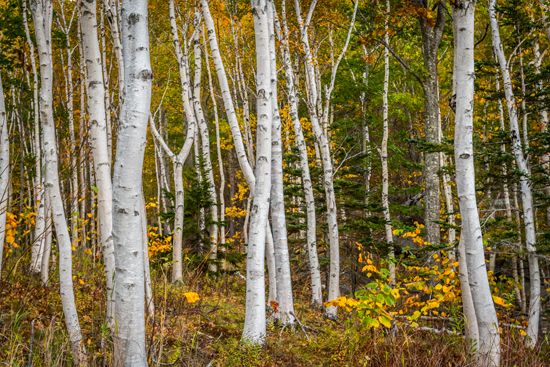
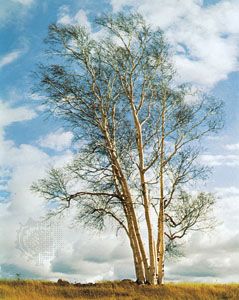
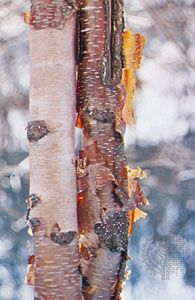
- Bark: Many species are known for their smooth, resinous bark that often peels horizontally in thin, paper-like sheets, particularly on younger trees. These surfaces are marked by horizontal pores called lenticels. On older trunks, the bark may become thick and deeply furrowed into irregular plates.1
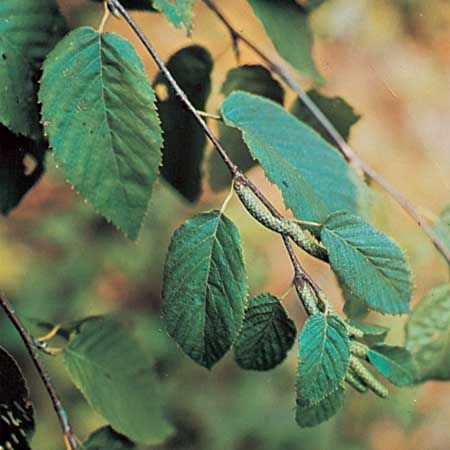
- Leaves: Birches feature simple, alternately arranged leaves that are typically egg-shaped or triangular with toothed margins. They are generally bright green and often turn yellow in the autumn.12
- Reproductive Structures: They produce male and female flowers on the same plant in the form of catkins. The male catkins are long and pendulous, while the female catkins are smaller and may be upright or pendulous. These develop into conelike clusters that release tiny, winged nutlets.12
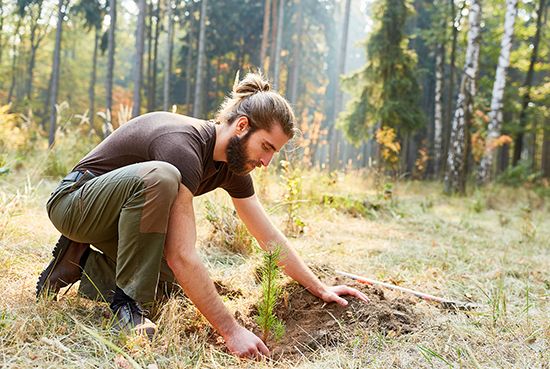
- Growth Habit: While many are ornamental or timber trees, the genus also includes various shrubby species adapted to alpine or tundra environments. They are generally fast-growing and hardy, often serving as pioneer species in reforestation.1
What are the different types of birch trees and where are they commonly found?
Birch trees, belonging to the genus Betula, comprise about 40 to 60 species of trees and shrubs distributed primarily throughout the cool regions of the Northern Hemisphere. Because common names are often applied inconsistently, taxonomic names are essential for clarity.25
Common Species and Their Habitats
- North American Species: The paper birch and yellow birch are well-known in northeastern North America. The river birch and sweet birch are also prominent, while the gray birch and the shrubby water birch are native to various North American sites.26
- Eurasian and Circumboreal Species: Silver birch (B. pendula) and dwarf birch (B. nana) are circumboreal, extending to the northern limits of the tree line. Asian species include the Japanese monarch birch, Japanese cherry birch, and the Asian white birch.52
- Alpine and Tundra Varieties: Species such as bog birch and dwarf birch are adapted to harsh northern or high-altitude environments, often growing as small shrubs.25
The greatest diversity of the birch family is found in the moist temperate forests of East Asia, particularly in China.5
How have birch trees been used historically by various cultures?
Throughout history, birch trees have been essential to various cultures due to their versatile wood and water-impervious bark.
Practical and Structural Uses
- Canoe Construction: North American Indians utilized the thin, waterproof bark of the paper birch to construct highly efficient birchbark canoes. These designs were so effective that they were later adopted by European explorers for navigating wilderness waterways.278
- Shelter and Daily Goods: Beyond watercraft, the bark was historically used for roofing and the creation of shoes.28
- Woodworking: Birchwood has long been valued for its durability and workability, serving as a primary material for furniture, cabinetry, flooring, vehicle parts, and plywood.29
Culinary and Medicinal Applications
- Beverages: The sap of the sweet birch has been used to produce birch beer, an effervescent drink.29
- Oils and Ointments: Birch oil, derived from sweet birch, has been used in aromatherapy and as a substitute for oil of wintergreen. Additionally, birch-tar oil—a toxic phenolic oil—was historically used in the finishing of Russia leather and in medicinal ointments for skin conditions like eczema.91
What is a birch tree?
A birch is any tree or shrub belonging to the genus Betula, which is part of the Betulaceae family. Comprising approximately 40 to 60 species, these plants are primarily found in the cool regions of the Northern Hemisphere.23
Birches are characterized by their smooth, resinous bark, which often peels in thin, horizontal sheets on younger trees, while older trunks may become deeply furrowed. They typically feature alternately arranged, toothed leaves and produce male and female catkins on the same plant.23
These hardy, fast-growing plants are ecologically significant for reforestation and erosion control. Historically and industrially, they are valued for their durable wood—used in furniture, flooring, and plywood—and their water-impervious bark, which has been used for items like canoes and roofing. It is important to note that some trees with “birch” in their common name, such as the ivory birch or gumbo-limbo, are not true birches.210
Sources
- paper birch — Encyclopædia Britannica
- birch — Encyclopædia Britannica
- Betulaceae — Encyclopædia Britannica
- sweet birch — Encyclopædia Britannica
- yellow birch — Encyclopædia Britannica
- Fagales - Betulaceae — Encyclopædia Britannica
- birch-tar oil — Merriam-Webster
- birchbark — Merriam-Webster
- boat - Bark and skin craft — Encyclopædia Britannica
- river birch — Encyclopædia Britannica
Published on · 3 min read