Paper Birch
The paper birch (Betula papyrifera) is native to northern and central North America. While the broader birch genus is distributed throughout cool regions of…
In which regions or habitats is the paper birch tree commonly found?
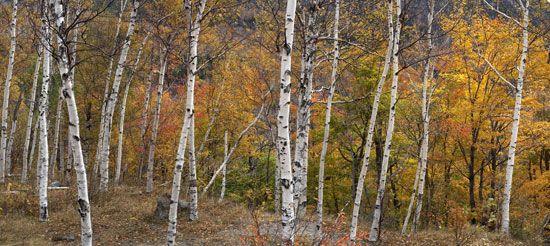
The paper birch (Betula papyrifera) is native to northern and central North America. While the broader birch genus is distributed throughout cool regions of the Northern Hemisphere, the paper birch specifically thrives within its natural range in North American climates.12
When cultivated outside of this natural range—particularly in areas south of its typical habitat—the tree becomes susceptible to damage from borers. Generally, most birch species, including those related to the paper birch, require moist, sandy, and loamy soil to grow effectively.12
What role does the paper birch play in its ecosystem?
The paper birch (Betula papyrifera) plays a significant role in its ecosystem, particularly as a hardy, fast-growing species that helps stabilize environments. As a member of the birch genus, it is among the trees that establish themselves quickly after glaciers recede.
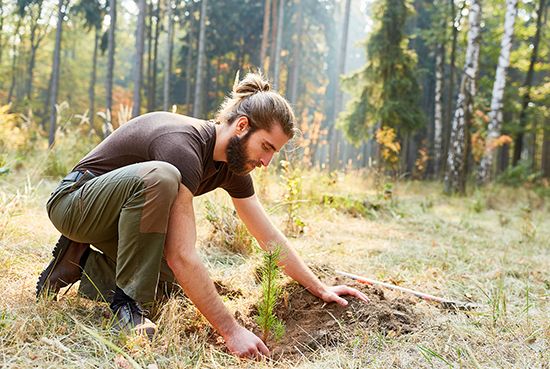
Because of these characteristics, the paper birch is highly valuable for reforestation efforts and erosion control. It often functions as a protective cover, or “nurse tree,” providing the necessary shelter for the development of more permanent plant species within a habitat. Additionally, the tree is known for being relatively immune to many forms of disease and insect attack, further supporting its role as a foundational species in northern and central North America.14
What are the distinguishing physical characteristics of the paper birch tree?
The paper birch (Betula papyrifera) is characterized by several distinct physical features that make it easily identifiable:
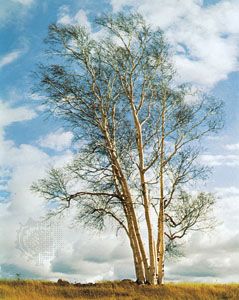
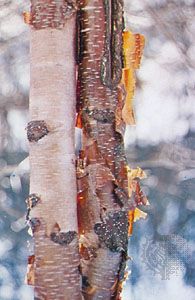
- Bark: The most iconic feature is its bark, which begins as brown but matures into a white, paper-thin layer that peels away. It is marked by narrow horizontal pores known as lenticels; the inner bark is copper-colored with bright orange pores.1
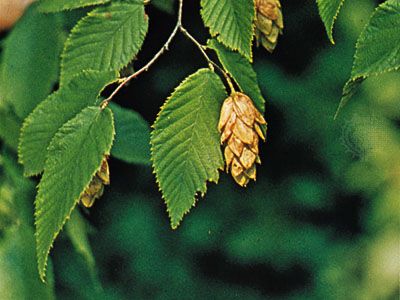
- Leaves: The leaves are ovate to nearly triangular in shape, sharp-pointed, and reach up to 10 cm (4 inches) in length. They are arranged alternately along the stems.1
- Size and Form: While typically reaching about 18 metres (60 feet) in height, it can grow as tall as 40 metres (131 feet) or remain small and shrubby depending on environmental conditions. Its short, pendulous branches and flexible twigs create a characteristic lacy silhouette during winter.1
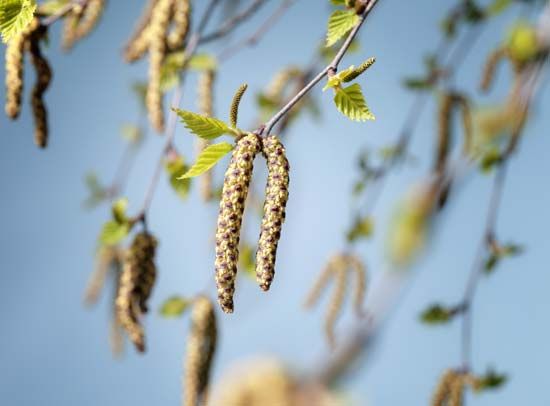
- Flowers: The tree produces male and female flowers separately on catkins1.
How has the paper birch been traditionally used by indigenous peoples?
The paper birch (Betula papyrifera) has long been a vital resource for North American Indigenous peoples, who utilized the tree’s unique properties for essential daily needs.
The most prominent use was the construction of birchbark canoes. These vessels were highly sophisticated, featuring a thin plank lining held against the bark cover by an extensive internal frame of ribs. Their efficiency and design were so effective that they were later adopted by European explorers for wilderness travel.14
Beyond transportation, the tree’s thin, water-impervious bark was highly valued for its durability and versatility. Indigenous peoples traditionally used the bark for:
- Roofing: Providing a waterproof covering for shelters.16
- Footwear: Crafting shoes from the resilient material.6
Additionally, the bark is known for its ability to burn even when wet, making it a reliable source of tinder for fires in damp conditions.6
Sources
- paper birch — Encyclopædia Britannica
- western paper birch — Merriam-Webster
- birch — Encyclopædia Britannica
- paper birch — Merriam-Webster
- white birch — Encyclopædia Britannica
- birchbark — Merriam-Webster
- boat - Bark and skin craft — Encyclopædia Britannica
- canoe birch — Merriam-Webster
Published on · 3 min read