Reforestation
Reforestation is the process of renewing forest cover on land that was previously forested, whether through natural seeding or the artificial planting of…
What is reforestation?
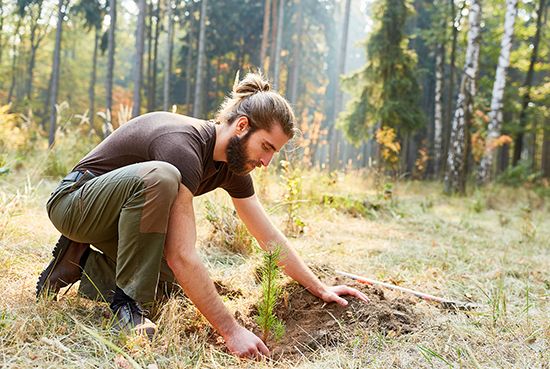
Reforestation is the process of renewing forest cover on land that was previously forested, whether through natural seeding or the artificial planting of seeds and young trees. It is a vital component of ecological restoration and sustainable forestry, serving to restore ecosystem services such as carbon sequestration, erosion control, and wildlife habitat.12
While reforestation is often used to manage lands for timber or paper production, it is also increasingly recognized as a key strategy to combat global warming by removing carbon dioxide from the atmosphere. However, experts emphasize that for reforestation to be effective, it must be grounded in sound scientific planning; projects that rely on non-native species or lack maintenance can suffer from high mortality rates and may fail to provide meaningful ecological benefits. It is important to distinguish this from afforestation, which refers to planting forests on land that has historically lacked tree cover.1
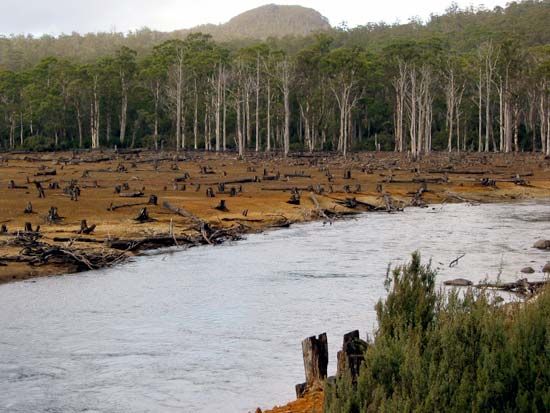
Why is reforestation important for the environment?
Reforestation is vital for the environment because it restores critical ecosystem services that are lost when forests are cleared. By converting previously forested land back to forest, this process helps stabilize soils, regulate water cycles, and provide essential wildlife habitat.14
A primary environmental benefit of reforestation is its role in mitigating global warming. Forests act as the largest terrestrial carbon sinks on Earth, removing carbon dioxide from the atmosphere and storing it in biomass and soil. While reforestation is a powerful tool, it is most effective when it prioritizes natural forest diversity; mixed-species plantings generally sequester more carbon and support higher levels of biodiversity than monotypic plantations.1
However, reforestation must be implemented with scientific rigor to be truly beneficial. Poorly planned projects—such as those using non-native species or lacking long-term maintenance—can suffer from high mortality rates and may fail to provide meaningful ecological improvements. Furthermore, reforestation should complement, not replace, the urgent need to reduce greenhouse gas emissions.1
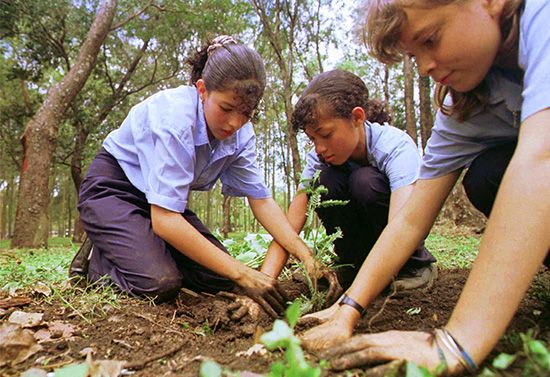
How does reforestation help restore damaged ecosystems?
Reforestation helps restore damaged ecosystems by re-establishing the critical ecosystem services that are lost when land is deforested or degraded. By converting previously forested land back to forest, this process initiates the recovery of essential functions, including:1
- Soil and Water Regulation: Forests act as natural filters and sponges. Reforestation helps stabilize soil to prevent erosion, regulates water cycles, and improves water quality by filtering runoff.15
- Carbon Sequestration: As terrestrial carbon sinks, forests remove carbon dioxide from the atmosphere and store it in biomass and soil, making reforestation a key tool in mitigating global warming.1
- Habitat Restoration: Replanting native species provides necessary wildlife habitat and migration corridors, helping to address biodiversity loss.16
For these efforts to be successful, they must be grounded in sound scientific planning. Projects that prioritize natural forest diversity and use native species are significantly more effective than monotypic plantations, which often lack the complexity needed to support robust ecosystems. While reforestation is a noble and important endeavor, it is most effective when combined with the conservation of existing primary forests and a commitment to reducing greenhouse gas emissions.16
What are some methods used in reforestation projects?
Reforestation projects employ a variety of methods to restore forest cover, broadly categorized into artificial and natural regeneration techniques.
Artificial Regeneration
Artificial regeneration is the most common approach for managed lands, involving the active planting of trees to ensure successful establishment and high yield.13
- Seedling Planting: This is the primary method, where seedlings are raised in nurseries to ensure protection during their early stages. They may be “bare-rooted” or grown in containers with an intact soil plug.3
- Direct Seeding: Reserved for remote or inaccessible areas where planting seedlings is not cost-effective, seeds are sown directly onto the land.3
- Vegetative Propagation: Certain species, such as poplars and willows, can be reproduced from cuttings.3
- Site Preparation: To improve survival rates, foresters may use mechanical plowing to aerate soil, create drainage ridges in wet areas, or apply herbicides to control competing weeds.3
Natural Regeneration
Natural regeneration relies on the forest’s inherent ability to replenish itself, often through selective harvesting that leaves gaps for new growth.7
- Selection Systems: Foresters may remove single trees or small clusters, creating gaps that allow natural seedlings to thrive by utilizing available light and soil.7
- Seed-Tree Methods: By leaving patches of mature forest standing, seeds are naturally dispersed by wind onto cleared areas to establish a new crop.7
- Coppicing: This method utilizes the ability of certain trees to sprout new growth from the stumps of felled trees, which is often used in short-rotation, high-productivity systems.7
Sources
- reforestation — Encyclopædia Britannica
- reforestation — Merriam-Webster
- forestry - Artificial regeneration — Encyclopædia Britannica
- Deforestation - Effects — Encyclopædia Britannica
- forestry - Watershed management and erosion control — Encyclopædia Britannica
- How Do You Rewild an Environment? — Encyclopædia Britannica
- forestry - Natural regeneration — Encyclopædia Britannica
Published on · 4 min read