Great Pacific Garbage Patch
The Great Pacific Garbage Patch is a massive zone of high-density plastic waste located in the Pacific Ocean between Hawaii and California. It is formed by…
What is Great Pacific Garbage Patch?
The Great Pacific Garbage Patch is a massive zone of high-density plastic waste located in the Pacific Ocean between Hawaii and California. It is formed by the North Pacific subtropical gyre, a system of rotating currents that draws in and traps debris from land and sea.1
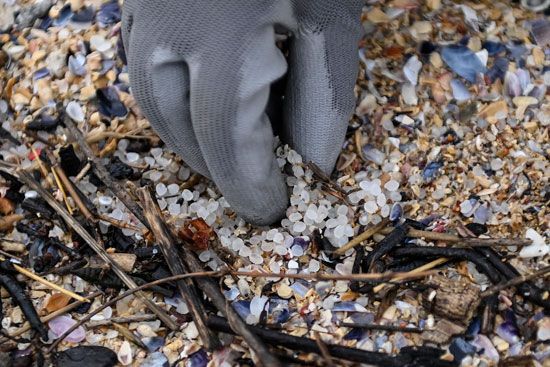
While the patch contains larger items like discarded fishing gear—often called “ghost gear”—it is more accurately described as a “soup” of microplastics created through the photodegradation of larger plastic objects. This accumulation poses a severe threat to the environment, as marine life can ingest these toxic particles or become fatally entangled in debris.12
The patch is one of five such major accumulation zones in the world’s oceans. Its existence highlights the critical environmental impact of single-use plastics, which persist in the environment for centuries and cause irreparable harm to marine ecosystems. Protecting our oceans from such pollution is a vital ethical responsibility to ensure the health of global biodiversity.32
What are microplastics and how do they enter the food chain?
Microplastics are small pieces of plastic measuring less than 5 mm (0.2 inch) in length. They are categorized into two types:45
- Primary microplastics: These are intentionally manufactured at a small size, such as microbeads in personal care products, industrial plastic pellets, or synthetic fibers from clothing.4
- Secondary microplastics: These result from the breakdown of larger plastic items through weathering processes like ultraviolet radiation, wind abrasion, and wave action.46
Entry into the Food Chain Microplastics enter the food chain when aquatic organisms, ranging from tiny zooplankton to large predators, mistake these particles for food. Once ingested, these non-nutritive and indigestible materials can lodge in the digestive tracts and tissues of animals.46
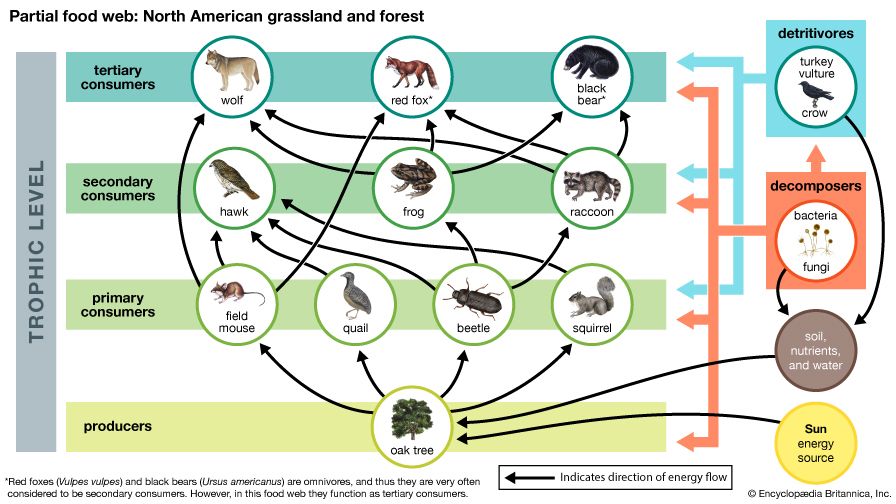
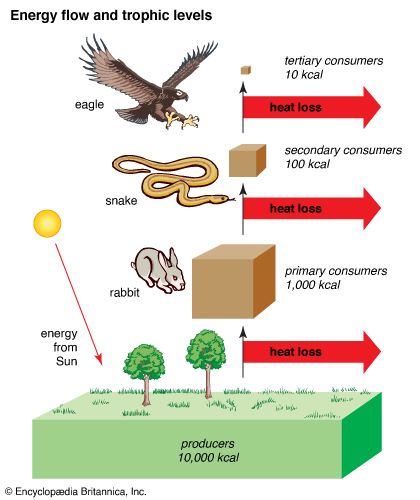
Because plastics can concentrate environmental pollutants, they often deliver toxic chemicals to the organisms that consume them. As contaminated prey is eaten by predators, these substances can bioaccumulate and potentially biomagnify, increasing in concentration at higher trophic levels. Ultimately, microplastics have been detected in human food sources, including seafood, table salt, and drinking water.64
How do ocean gyres naturally trap debris?
Ocean gyres are vast, circular systems of ocean currents that spiral around a central point. These systems, particularly the subtropical gyres, act as natural traps for debris through their rotational movement.786
The process works as follows:
- Rotational Flow: Driven by large-scale wind fields and the Coriolis force, these gyres create a persistent, circular circulation pattern.19
- Trapping Mechanism: As currents like the California Current or the Kuroshio transport water and floating matter across the ocean, the gyre’s rotation draws this solid material—such as plastic waste—toward its center.6
- Accumulation: Once the debris enters the gyre, the circular motion prevents it from easily escaping, causing it to concentrate in the center. This creates high-density zones of waste, commonly known as “garbage patches,” where the debris circulates near the ocean surface.86
Because these systems cover approximately 40 percent of the world’s oceans, they effectively aggregate dispersed pollution from terrestrial and maritime sources into these massive, persistent accumulation zones.8
What are some innovative technologies being used to clean up ocean plastic?
Efforts to address ocean plastic pollution involve a combination of large-scale mechanical removal and innovative biological solutions.
Mechanical Cleanup Technologies
The most prominent mechanical approach is the use of boom technology to collect floating debris. Organizations like The Ocean Cleanup, founded by Boyan Slat, have developed specialized devices designed to aggregate and remove plastics from high-concentration areas like the Great Pacific Garbage Patch. These systems are engineered to work with ocean currents to capture plastic waste, with successful test runs demonstrating the ability to remove tons of debris from the water surface.1
Biological Remediation
Because conventional plastics are not biodegradable and persist for centuries, researchers are investigating biological methods to break them down. Scientists are exploring the use of specific microorganisms—including various bacterial and fungal species—that possess the capability to degrade synthetic polymers such as polystyrene, polyethylene, and polyester polyurethane. The goal is to apply these microorganisms to contaminated environments, such as sewage wastewater, to break down plastic materials at a molecular level.104
Sources
- Great Pacific Garbage Patch — Encyclopædia Britannica
- Talking Ocean Trash: Ghost Gear Keeps on Fishing — Encyclopædia Britannica
- Single-use plastics — Encyclopædia Britannica
- microplastics — Encyclopædia Britannica
- microplastic — Merriam-Webster
- plastic pollution - Plastic pollution in oceans and on land — Encyclopædia Britannica
- gyre — Encyclopædia Britannica
- ocean current - The subtropical gyres — Encyclopædia Britannica
- subtropical gyre — Encyclopædia Britannica
- 20 Under 40: Young Shapers of the Future (Science and Technology) - Boyan Slat (27) — Encyclopædia Britannica
- How long does it take for plastic to decompose? — Encyclopædia Britannica
Published on · 3 min read