Superfund
Superfund is a U.S. government program established by the Comprehensive Environmental Response, Compensation, and Liability Act (CERCLA) in 1980 to manage…
What is Superfund?
Superfund is a U.S. government program established by the Comprehensive Environmental Response, Compensation, and Liability Act (CERCLA) in 1980 to manage the cleanup of hazardous-waste dump sites and spills.12
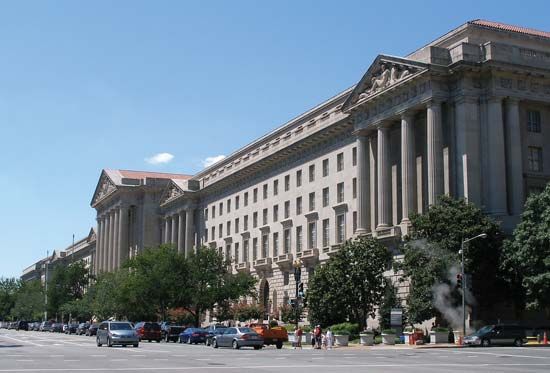
The program empowers the Environmental Protection Agency to identify the most dangerous contaminated sites in the country. Under the law, the EPA can compel responsible parties to pay for remediation or perform the cleanup itself using the Superfund trust fund, subsequently suing the polluters for reimbursement. The fund was originally financed through a combination of general revenues and taxes on polluting industries.12
While the program has successfully completed cleanups at hundreds of locations, including the infamous Love Canal site, thousands of industrial parcels remain contaminated due to historical improper disposal and illegal dumping. The program continues to play a vital role in addressing long-term threats to public health and environmental quality.132
What happened at Love Canal that led to the creation of the Superfund?
The environmental disaster at Love Canal served as a primary catalyst for the creation of the Superfund program.
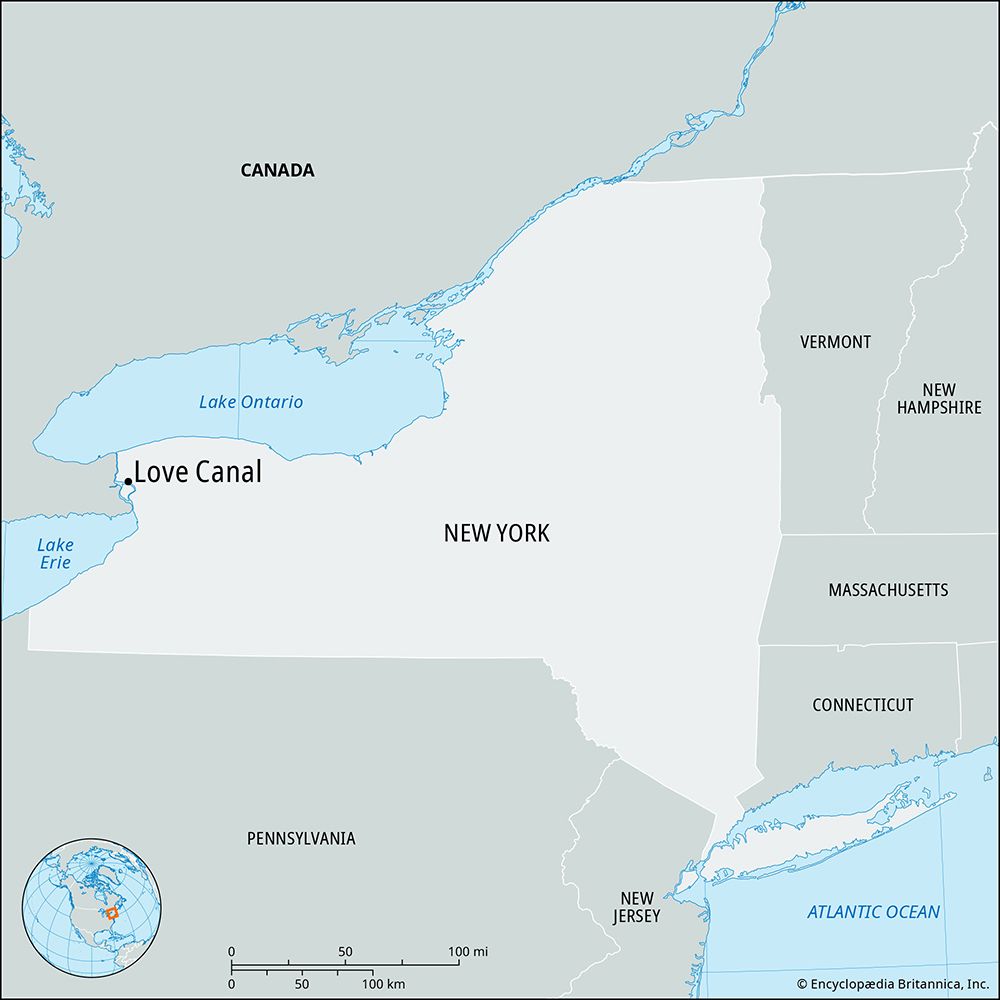
During the 1940s and 1950s, the Hooker Chemicals and Plastics Corporation dumped nearly 22,000 tons of toxic chemical waste—including PCBs, dioxin, and pesticides—into an abandoned canal in Niagara Falls, New York. The site was later filled in and sold to the city, which permitted residential housing to be built directly on top of the buried waste.4
In 1978, toxic chemicals began leaking into residents’ basements. Investigations revealed an alarming incidence of chromosomal damage among the population, leading to emergency declarations by President Jimmy Carter. The public outcry over this health crisis highlighted the urgent need for a federal mechanism to address abandoned hazardous waste sites, directly influencing the passage of the Comprehensive Environmental Response, Compensation, and Liability Act (CERCLA) in 1980. This legislation established the Superfund to ensure that polluters, rather than the public, would be held financially accountable for environmental remediation.41
How does the EPA determine which sites are the most dangerous?
The Environmental Protection Agency (EPA) is tasked with identifying and prioritizing the most dangerous hazardous-waste sites in the United States to manage under the Superfund program.
While the provided search results confirm that the EPA is directed to create a list of these high-risk locations, they do not detail the specific technical criteria or scoring systems used to determine that danger level. Generally, the agency evaluates sites based on the potential for hazardous waste to cause substantial harm to human health or the environment, particularly through the contamination of groundwater or surface water supplies.51
Because the specific methodology for this prioritization is not detailed in the current knowledge base, I cannot provide a breakdown of the exact metrics used to rank these sites.
What is the difference between a sanitary landfill and a secure landfill?
The primary difference between a sanitary landfill and a secure landfill lies in the nature of the waste they accept and the stringency of their engineering requirements.
Sanitary Landfills
Sanitary landfills are designed for the controlled disposal of municipal solid waste (MSW) and construction debris. Key features include:
- Operation: Waste is deposited in thin layers, compacted by heavy machinery, and covered daily with soil to prevent odors and pests.
- Containment: They utilize impermeable bottom liners—typically plastic membranes and compacted clay—to collect leachate and prevent groundwater contamination.
- Monitoring: Facilities include groundwater monitoring wells and systems to collect and vent or recover methane gas.66
Secure Landfills
Secure landfills are regulated more strictly to manage hazardous waste, which poses significant threats to public health and the environment. Enhanced safety measures include:
- Double Protection: They must feature a double impervious bottom liner system and a double leachate collection network (an upper system for accumulation and a lower backup system).76
- Geological Separation: There must be at least 3 meters (10 feet) of soil separation between the landfill bottom and the underlying bedrock or groundwater table, which is twice the requirement for standard sanitary landfills.76
- Rigorous Monitoring: These sites require extensive groundwater monitoring wells to detect and intercept potential leaks for immediate treatment.7
Sources
- Superfund — Encyclopædia Britannica
- toxic waste - Laws — Encyclopædia Britannica
- land pollution — Encyclopædia Britannica
- Love Canal — Encyclopædia Britannica
- hazardous-waste management — Encyclopædia Britannica
- sanitary landfill — Encyclopædia Britannica
- hazardous-waste management - Secure landfills — Encyclopædia Britannica
Published on · 3 min read