Plastic Pollution
Microplastics are small plastic fragments measuring less than 5 mm in length. They are categorized as primary—manufactured for products like microbeads or…
What are microplastics and why are they a concern?
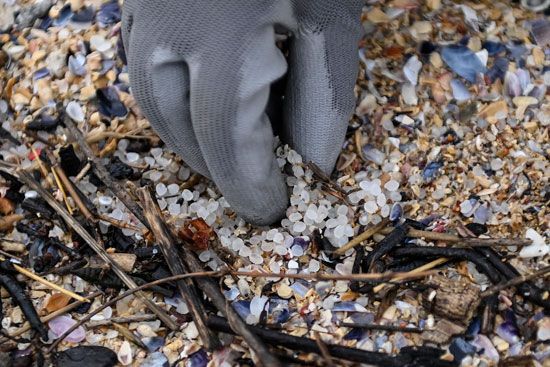
Microplastics are small plastic fragments measuring less than 5 mm in length. They are categorized as primary—manufactured for products like microbeads or synthetic textiles—or secondary, which result from the environmental breakdown of larger plastic items.1
These particles are a significant concern because they are not biodegradable and persist in the environment, accumulating in oceans, freshwater systems, and even air pollution. Their impact is ethically concerning as they threaten global ecosystems:1
- Aquatic Harm: Ingested by over 114 aquatic species, microplastics can cause reduced energy levels, neurological damage, and reproductive toxicity.1
- Food Chain Contamination: They move through food chains, eventually appearing in human food, drinking water, and human tissues.1
While the long-term health implications for humans remain under study, the unchecked accumulation of plastic waste poses a clear risk to environmental integrity and biological health. Addressing this requires global cooperation, such as the initiatives led by the United Nations Environment Programme and legislative bans on microbeads.1
How does plastic pollution contribute to climate change?
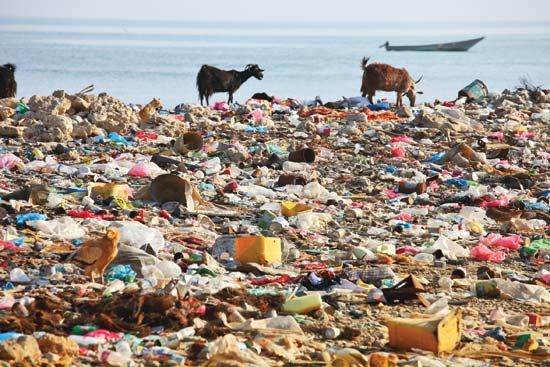
Plastic pollution contributes to climate change primarily through the production and disposal of plastic materials, which are largely derived from petroleum. The carbon footprint associated with plastic production currently accounts for approximately 4.5 percent of global carbon dioxide emissions, a figure expected to outpace that of coal by 2030.23
The relationship between plastic and climate change involves several key factors:
- Production Emissions: The manufacturing of “virgin” plastic is an energy-intensive process that releases significant greenhouse gases. Because plastic production is projected to continue growing, experts emphasize that upstream measures, such as capping production, are essential to reducing these emissions.3
- Waste Management: When plastic waste is processed through incineration, it results in the direct release of carbon dioxide into the atmosphere.4
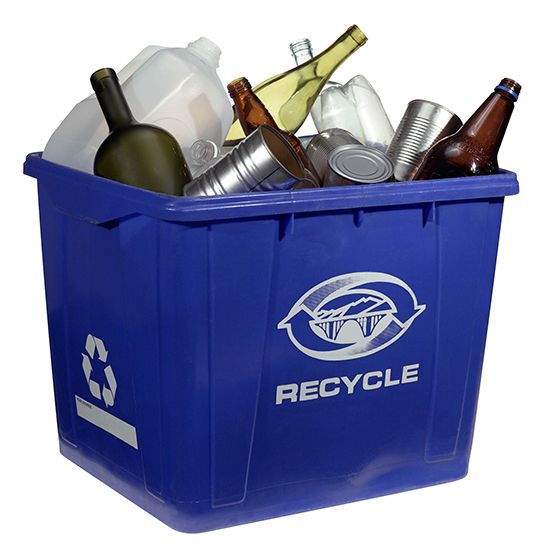
- Systemic Limitations: While recycling is often promoted, it is limited by economic and material constraints, such as low recovery rates and processing difficulties. Consequently, recycling alone does not address the underlying carbon emissions generated by the continuous production of new plastic.243
Addressing this issue requires a shift toward reducing overall plastic consumption and refining production to focus on fewer, more easily recyclable polymer types.34
How does plastic pollution impact marine life and ecosystems?
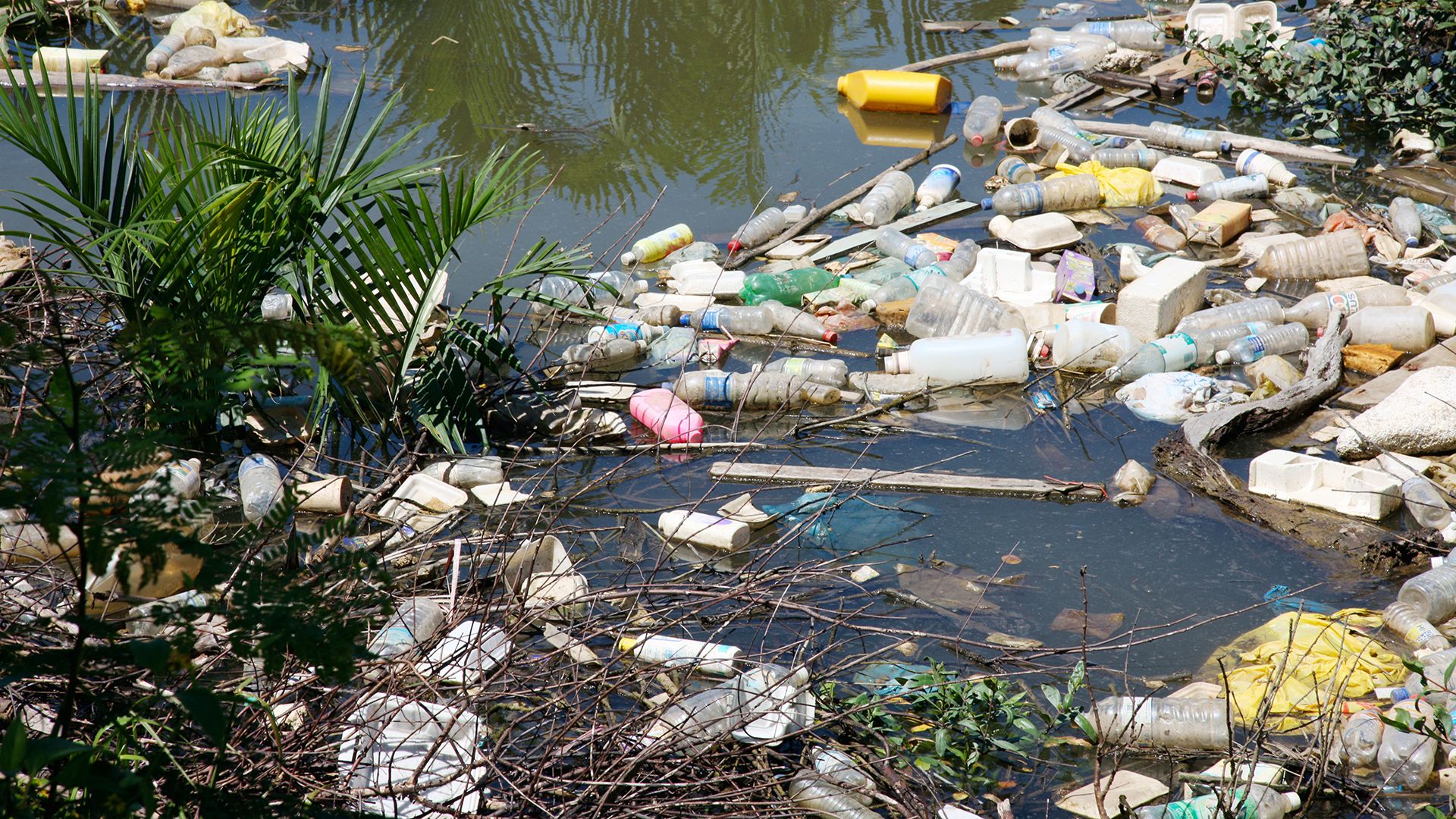
Plastic pollution poses a severe and multifaceted threat to marine life and ecosystems. Because the ocean acts as a global sink for terrestrial waste, it accumulates millions of tons of plastic annually, much of which persists for centuries due to its non-biodegradable nature.471
Direct Impacts on Marine Life
- Entanglement: Marine animals, including mammals, turtles, and seabirds, are frequently trapped in “ghost fishing gear”—abandoned nets, lines, and traps. This leads to injury, suffocation, or starvation.48
- Ingestion: Many species mistake plastic debris for food. Ingesting items like bottle caps or bags can cause physical blockages and mortality, with risks increasing significantly based on the volume of plastic consumed.48
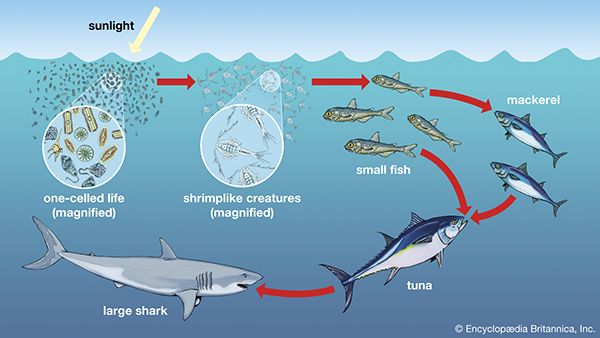
- Microplastic Accumulation: Larger plastics eventually break down into microplastics through exposure to sunlight and wave action. These tiny particles are ingested by a wide range of organisms, from zooplankton to large predators, leading to reduced energy levels, neurological damage, and reproductive toxicity.45
Ecosystem Degradation
- Habitat Destruction: Discarded fishing gear can smother coral reefs, killing the organisms that build them and destroying the habitat for countless other species.8
- Chemical Contamination: Plastics concentrate harmful pollutants from the surrounding seawater. When ingested, these chemicals can bioaccumulate in tissues and biomagnify as they move up the food web, potentially poisoning top predators.45
- Invasive Species Transport: Floating plastic debris can act as a raft, transporting invasive species to new environments, which disrupts local ecological balances.8
What are the main sources of plastic pollution?
Plastic pollution originates from a wide variety of sources, primarily driven by the widespread use of synthetic, non-biodegradable materials. Because these plastics are designed to resist natural decay, improper disposal leads to their persistence in the environment.24
Primary Sources of Plastic Pollution
- Single-Use Items and Packaging: Approximately 50 percent of all plastic produced consists of lightweight, single-use products and packaging. These items are frequently discarded improperly—such as being dropped as litter or overflowing from waste bins—rather than being sent to landfills or recycling centers. Items like bags, bottles, and takeout containers make up a significant portion of the debris found in rivers, oceans, and on shorelines.27
- Ghost Fishing Gear: A major source of marine pollution is “ghost fishing gear,” which includes lost, abandoned, or discarded nets, traps, and lines. This gear enters the ocean due to poor weather, snagging on seafloor obstructions, or negligent disposal by fishers.5
- Industrial and Urban Runoff: Plastic enters aquatic environments through identifiable pathways such as industrial facilities, wastewater outfalls, and landfills. Additionally, diffuse sources like stormwater runoff and rivers transport waste from urban and rural areas into the ocean.7
- Natural Disasters: Events such as tsunamis can sweep massive amounts of debris and plastic waste from land into the sea.5
Sources
- microplastics — Encyclopædia Britannica
- plastic pollution - The problem of plastics — Encyclopædia Britannica
- Single-use plastics - Con 2: Single-use plastic bans spawn complacency and mask a greater need—a reduction in all plastic production and use. — Encyclopædia Britannica
- plastic pollution - Plastic pollution in oceans and on land — Encyclopædia Britannica
- plastic pollution: Top Questions — Encyclopædia Britannica
- plastic pollution - Solving the problem — Encyclopædia Britannica
- Talking Ocean Trash: Ghost Gear Keeps on Fishing — Encyclopædia Britannica
- How long does it take for plastic to decompose? — Encyclopædia Britannica
Published on · 4 min read