Greenland
The history of the Inuit in Greenland is rooted in a series of migrations from North America, with the Thule culture arriving around 1100 CE. From this, the…
What is the cultural heritage and history of the indigenous Inuit people in Greenland?
The history of the Inuit in Greenland is rooted in a series of migrations from North America, with the Thule culture arriving around 1100 CE. From this, the Inugsuk culture emerged in the 12th and 13th centuries, characterized by advanced hunting techniques using kayaks and umiaks, and the use of materials like bone, stone, and whalebone.12
Cultural development was marked by interactions with Norse settlers and later European whale hunters and Danish colonizers. In 1721, a permanent Danish-Norwegian colony was established, leading to significant social changes, including the introduction of European diseases and the eventual transition from a subsistence economy to sheep breeding and fishing.23
Despite colonial pressures, the Indigenous people maintained their languages and fostered a shared identity, identifying themselves as Kalaallit (West Greenlanders), Inugguit, or Iit. Today, this heritage is preserved through institutions like Ilisimatusarfik, which studies traditional cultures and languages. Modern Greenlandic culture represents a unique synthesis of Indigenous traditions and European influences.32
What is the geography and climate of Greenland like?
Geography of Greenland
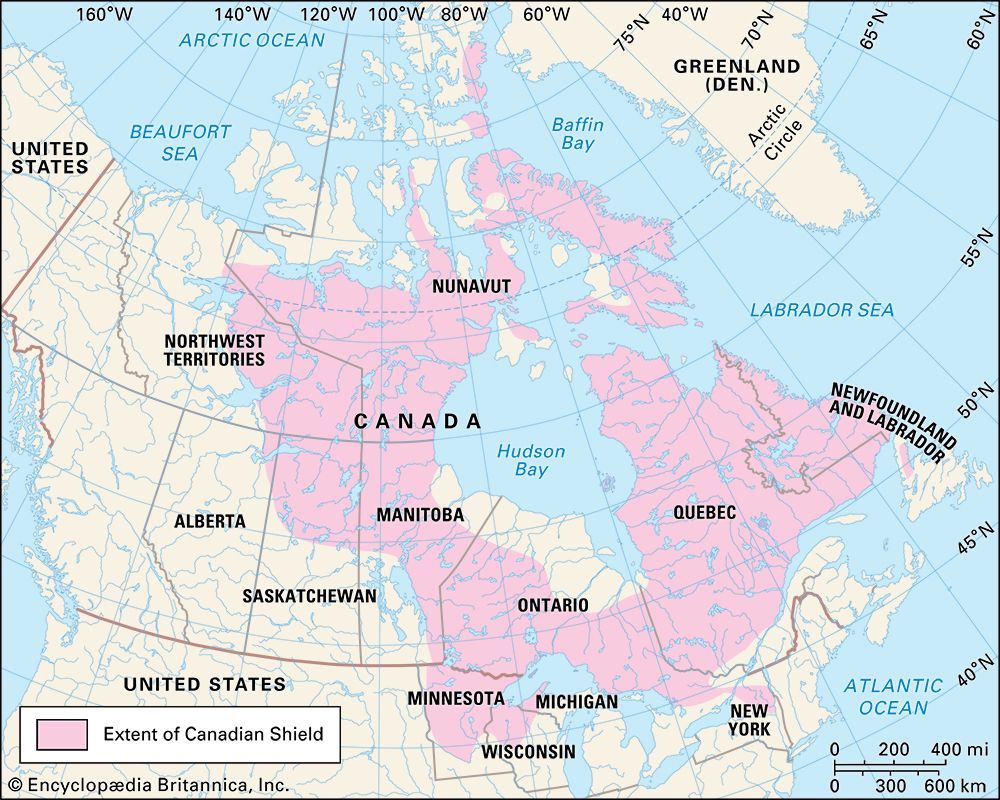
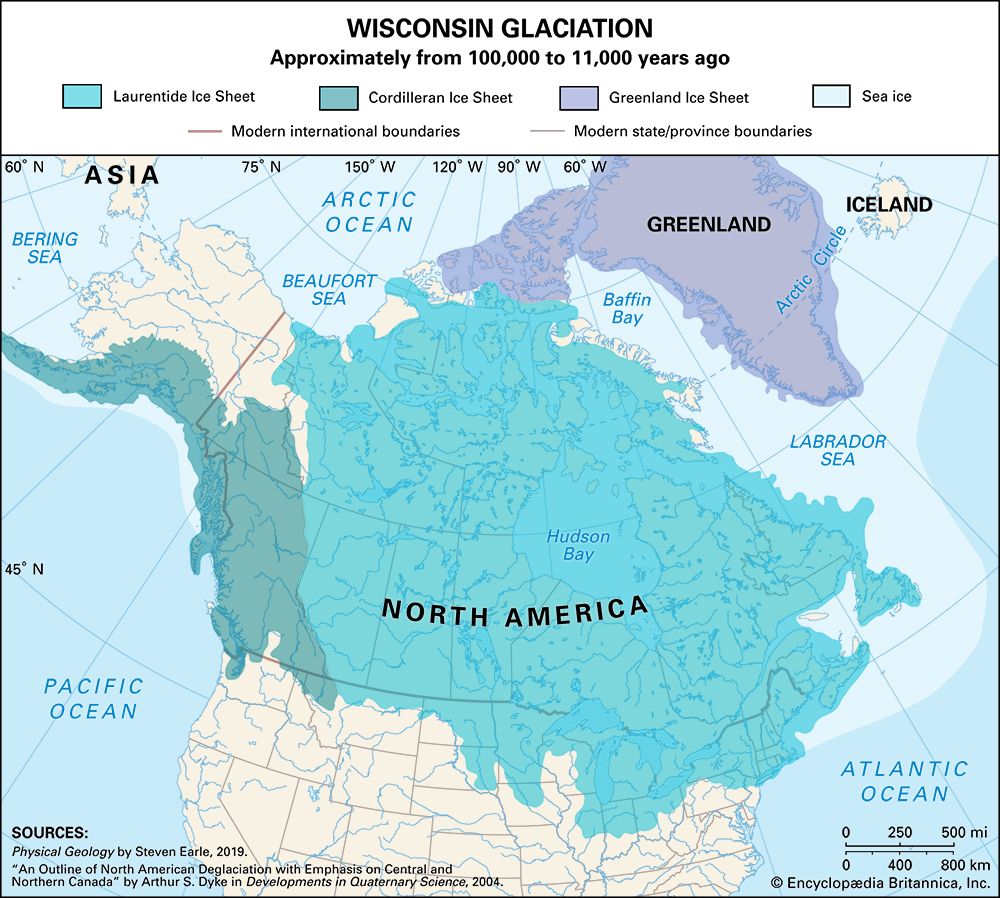
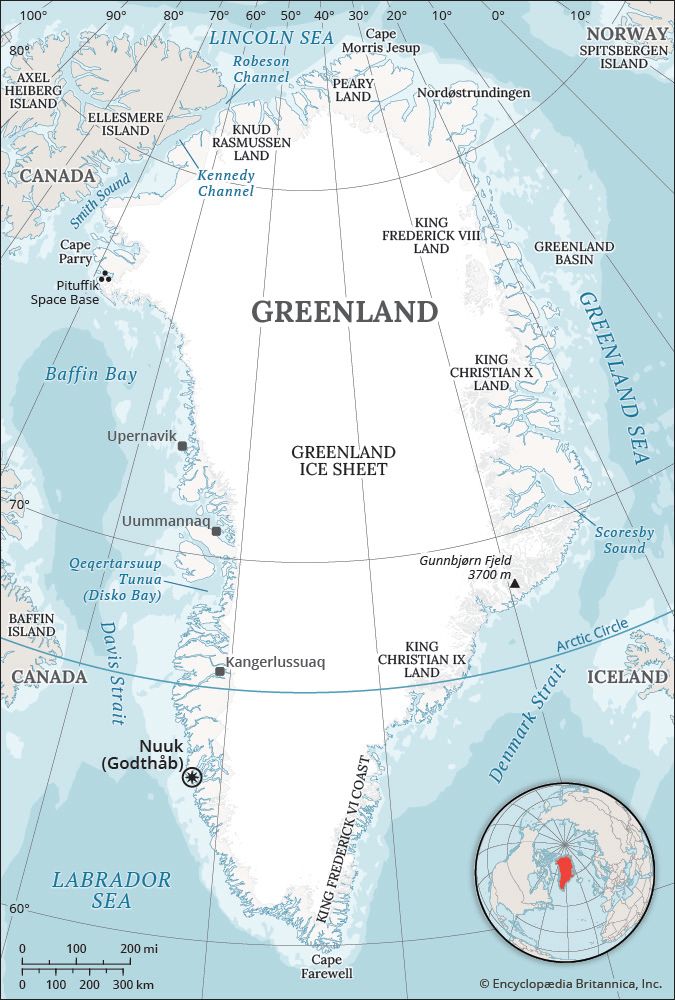
Greenland is a vast island, roughly the size of Saudi Arabia, extending about 1,660 miles (2,670 km) from north to south. Structurally, it is an extension of the Canadian Shield, composed of hard Precambrian rock. Its most defining feature is the Greenland Ice Sheet, which covers more than 80 percent of the island’s land area. This massive ice mass reaches a maximum thickness of about 10,000 feet (3,000 meters) and contains 12 percent of the world’s glacier ice.45
The ice-free land is primarily located along the coast, characterized by rugged highlands and mountain chains that reach up to 12,139 feet (3,700 meters) at Gunnbjørn Mountain. Deep, complex fjords cut into the east and west coasts, and large glaciers frequently calve into the sea, producing numerous icebergs4.46
Climate
Greenland experiences an Arctic climate, though the southwest is slightly moderated by the Gulf Stream. The interior is characterized by extreme cold, with temperatures in the north dropping as low as −94 °F (−70 °C).47
- Temperature: Average winter temperatures range from the low 20s F (−7 °C) in the south to approximately −30 °F (−34 °C) in the north. Summer temperatures are generally cool, averaging in the mid-40s F (7 °C) in the southwest and around 40 °F (4 °C) in the far north.4
- Precipitation: The island features significant variation in precipitation, with the south receiving over 75 inches (1,900 mm) annually, while northern areas are classified as Arctic deserts, receiving as little as 2 inches (50 mm).4
- Weather Patterns: Rapid, unpredictable weather changes are common, often shifting from sunshine to intense blizzards.4
In recent decades, global warming has led to accelerated melting of the ice sheet, which is significantly impacting both the island’s physical geography and global sea levels.45
How does Greenland’s unique status as an autonomous territory of Denmark work?
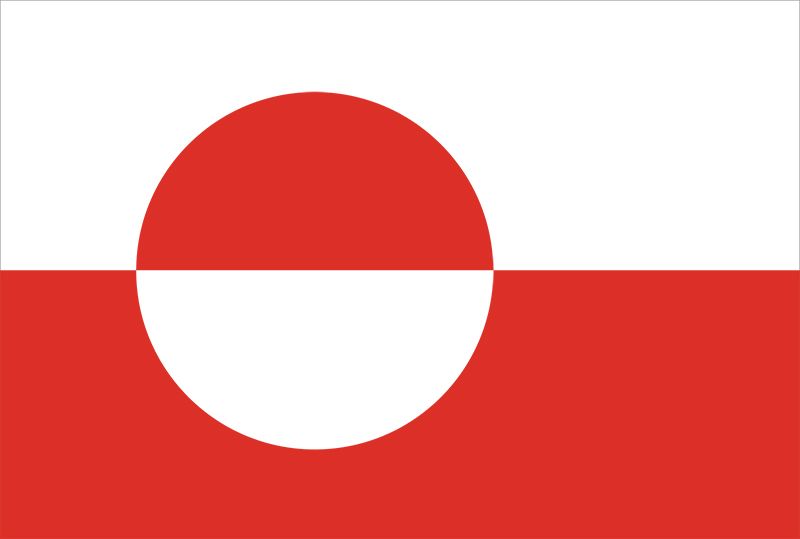
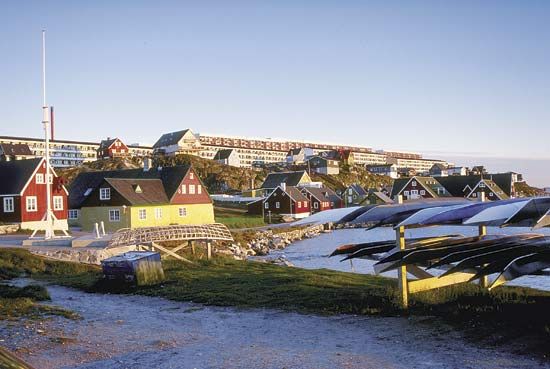
Greenland operates as a self-governing overseas administrative division within the Kingdom of Denmark. While it remains part of the Danish realm, its political status is defined by a high degree of autonomy established through the Act on Greenland Self-Government, which took effect in 2009.89
Under this arrangement, the division of responsibilities is as follows:
- Greenlandic Authority: The government, led by the Inatsisartut (an elected parliament), manages virtually all domestic affairs. This includes criminal justice, economic development, education, social welfare, and municipal regulations. Additionally, Greenlandic is the sole official language.910
- Danish Authority: Denmark retains responsibility for constitutional matters, foreign relations, and defense. A high commissioner serves as the representative of the Danish government on the island.89
Greenland receives substantial financial grants from Denmark to support its public services, though it has gained increased control over its own mineral and oil resources. Greenlanders also elect two representatives to the Danish parliament, the Folketing](https://www.britannica.com/place/Greenland/People#ref2837).911
What are some of the most popular tourist attractions and activities in Greenland?
Greenland offers a unique array of attractions and activities, largely centered around its dramatic Arctic landscape and rich cultural heritage. Tourism has grown significantly since the 1990s, drawing visitors to the island’s natural wonders and traditional experiences.4
Popular Activities and Attractions
- Natural Wonders: The island’s most iconic feature is its massive ice sheet, which provides spectacular scenery. Visitors often travel to coastal areas to witness massive icebergs calving from glaciers into the sea.128
- World Heritage Sites: Greenland is home to several UNESCO World Heritage sites, including the Ilulissat Icefjord, which is a major hub for tourism. Other notable sites include the Aasivissuit-Nipisat Inuit hunting grounds and the Kujataa region, which showcases Norse and Inuit farming history.1314
- Cultural Experiences: Traditional Inuit activities remain a vital part of the visitor experience. Popular cultural pursuits include soapstone carving, drum dancing, and traditional kayak building and sailing. In the capital, Nuuk, travelers can visit the Greenland National Museum and Archives or attend events at the Katuaq Cultural Centre.15
- Outdoor Recreation: The rugged terrain is ideal for various sports, with skiing being particularly popular. Additionally, Greenland is one of the premier locations in the world for viewing the northern lights, which are best observed away from city lights during the dark winter months.1516
Sources
- Inugsuk culture — Encyclopædia Britannica
- Arctic - Greenland of the Arctic — Encyclopædia Britannica
- Greenland - Early cultures — Encyclopædia Britannica
- Greenland - Land — Encyclopædia Britannica
- Arctic - Greenland ice sheet — Encyclopædia Britannica
- Greenland Ice Sheet — Encyclopædia Britannica
- Arctic - Climate of the Arctic — Encyclopædia Britannica
- Greenland: Top Questions — Encyclopædia Britannica
- Greenland - Government and society — Encyclopædia Britannica
- Greenland - Economy — Encyclopædia Britannica
- Greenland - People of Greenland — Encyclopædia Britannica
- Greenland - Cultural life — Encyclopædia Britannica
- iceberg - Arctic icebergs — Encyclopædia Britannica
- glacier - Greenland Ice Sheet — Encyclopædia Britannica
- Ilulissat — Encyclopædia Britannica
- How to watch the northern lights — Encyclopædia Britannica
- list of World Heritage sites - Denmark — Encyclopædia Britannica
Published on · 4 min read