Guadalcanal Island
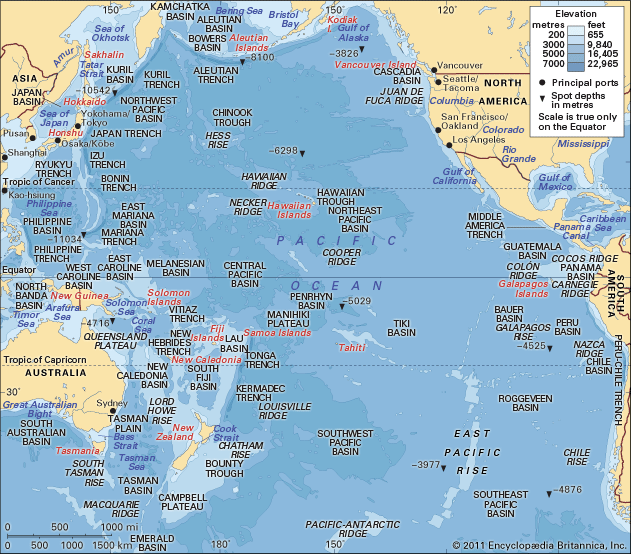
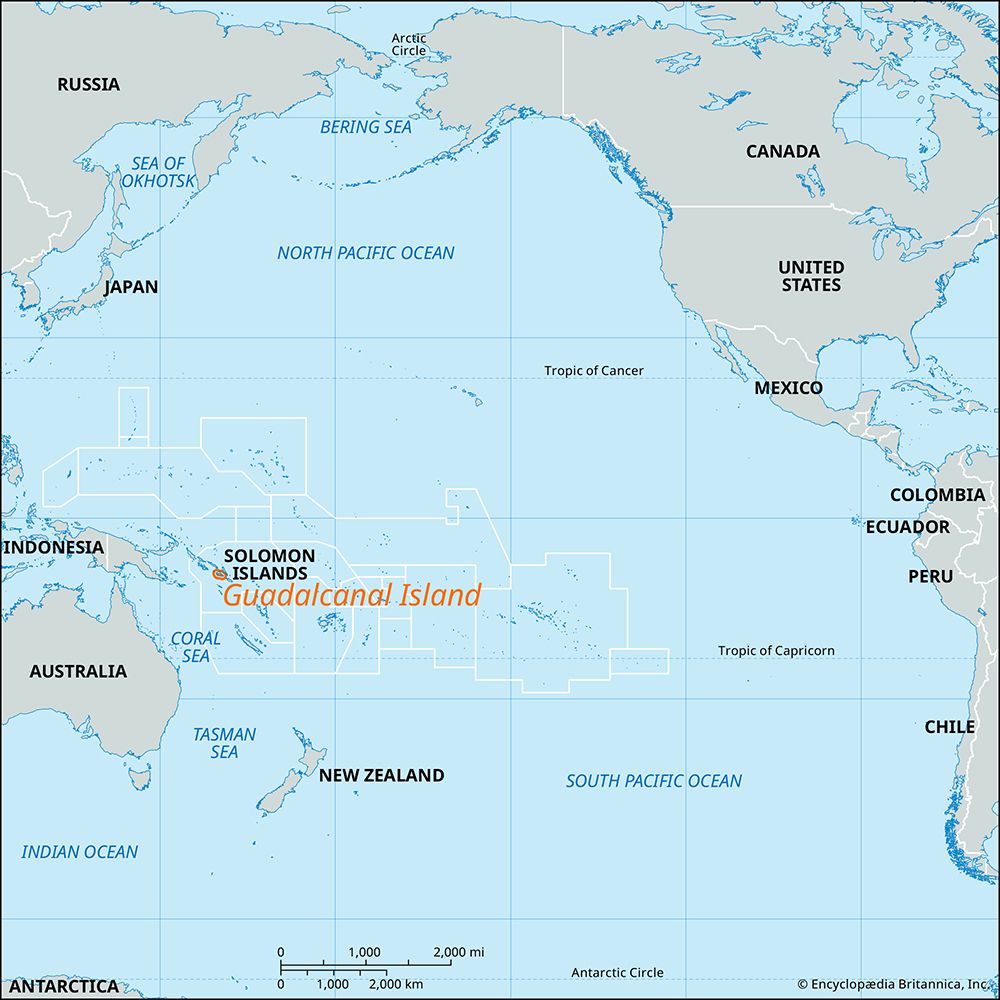
Guadalcanal Island is the largest island in the Solomon Islands, situated in the southwestern Pacific Ocean. It is of volcanic origin and features a…
Where is Guadalcanal Island located and what is its significance in the Solomon Islands?
Guadalcanal Island is the largest island in the Solomon Islands, situated in the southwestern Pacific Ocean. It is of volcanic origin and features a mountainous interior, including the country’s highest point, Mount Popomanaseu1.
The island holds significant historical and political importance:
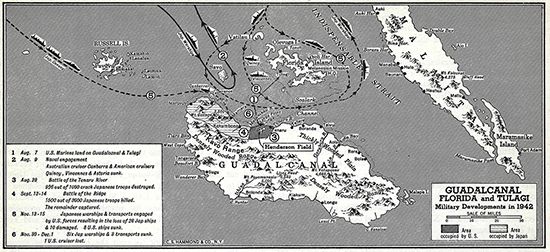
- World War II: It was the site of the Battle of Guadalcanal, a crucial and bitter conflict of the Pacific War that halted the Japanese advance southward. The naval campaign surrounding the island was a decisive turning point that left the United States in a position of strength in the region.123
- National Capital: Following the war, Honiara was established as the national capital on the island’s north coast, chosen for its existing airfield and infrastructure.12
- Internal Conflict: Post-independence, the island became the center of ethnic tensions and land-tenure disputes, which culminated in a 2000 paramilitary coup.1
What major battles took place on Guadalcanal during World War II?
The Battle of Guadalcanal (August 1942–February 1943) consisted of a series of intense land and sea clashes that served as a turning point in the Pacific War. Key engagements included:
Land Battles
- Initial Landing: On August 7, 1942, the U.S. 1st Marine Division landed at Lunga Point and captured the airfield, later named Henderson Field, which became the strategic center of the conflict.42
- Ground Offensives: Japanese forces launched multiple failed attempts to retake the airfield, including assaults on August 20–21, September 12–14, and October 20–29.4
Naval Battles
- Battle of the Eastern Solomons (August 23–25, 1942): A carrier-based engagement where Allied forces sank a Japanese light carrier and other vessels.4
- Battle of Cape Esperance and Santa Cruz Islands: Further naval confrontations that resulted in significant losses for both sides.4
- Naval Battle of Guadalcanal (November 12–15, 1942): A decisive, brutal series of night actions that left the U.S. in a position of strength in the southern Solomons.5
- Battle of Tassafaronga (November 30, 1942): A final major naval engagement during the campaign.4
What are the primary economic activities on Guadalcanal Island?
The economy of Guadalcanal Island is primarily driven by agriculture, natural resource extraction, and the service sector centered in the capital, Honiara.71
Key economic activities include:
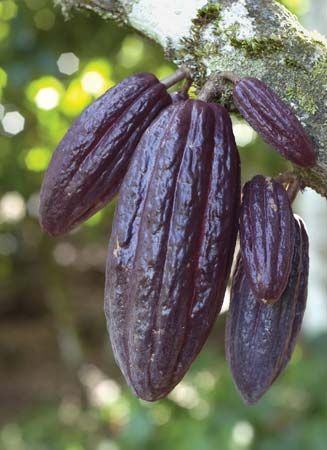
- Agriculture and Plantations: The island relies on the production of copra, cacao, oil palms, coconuts, and various fruits.71
- Natural Resources: Fishing and timber are major industries, though they have faced challenges from overexploitation. Additionally, the island has a history of mining, with occasional extraction of alluvial gold and silver, including operations at the Gold Ridge site.718
- Manufacturing: Local processing facilities focus on cocoa and the production of coconut and other vegetable oils.7
- Services and Trade: As the national capital, Honiara serves as a vital port and communications hub, facilitating trade and regional air services. The broader service sector remains a significant contributor to the national gross domestic product. a significant contributor to the national gross domestic product.78
- Handicrafts: Traditional items such as woodwork, shell inlay, mats, and baskets are produced for both export and the tourism market.7
What role did Guadalcanal play during World War II?
During World War II, Guadalcanal served as the site of a pivotal six-month campaign that marked a major turning point in the Pacific War in favor of the Allies.4
In July 1942, Japanese forces began constructing an air base on the island, threatening Allied communication lines between the United States and Australia. On August 7, 1942, the U.S. 1st Marine Division launched an amphibious assault, capturing the airfield—later named Henderson Field—in the first major Allied offensive of the war.59
The ensuing Battle of Guadalcanal involved brutal land and sea clashes. The Allies successfully defended their perimeter against repeated Japanese ground offensives, supported by the “Cactus Air Force” operating from Henderson Field. By early 1943, Allied forces had pushed the Japanese to the northwest of the island, leading to a Japanese evacuation in February 1943. The victory secured vital supply lines and halted the Japanese drive south.95
Sources
- Guadalcanal Island — Encyclopædia Britannica
- Battle of Guadalcanal - The Naval Battle of Guadalcanal — Encyclopædia Britannica
- Solomon Islands - World War II — Encyclopædia Britannica
- Battle of Guadalcanal — Encyclopædia Britannica
- Pacific War - Guadalcanal and Papua — Encyclopædia Britannica
- Battle of Guadalcanal: Top Questions — Encyclopædia Britannica
- Solomon Islands - Economy — Encyclopædia Britannica
- Honiara — Encyclopædia Britannica
- Battle of Guadalcanal - The land campaign on Guadalcanal — Encyclopædia Britannica
Published on · 3 min read