Hackney Pony
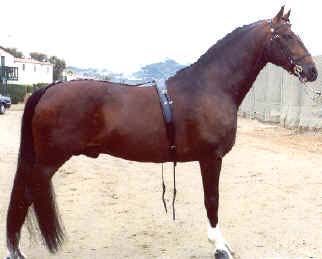
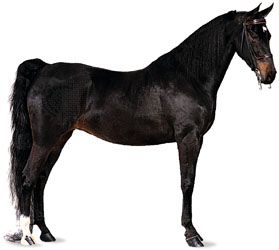
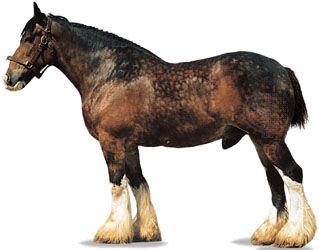
The Hackney pony is a heavy harness pony breed primarily utilized as a show pony. It was developed by crossing the Hackney horse with the Welsh pony.
What is Hackney pony?
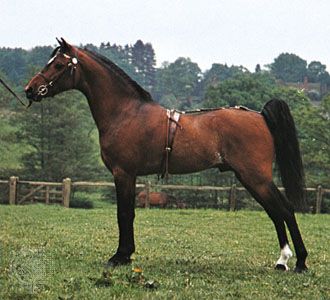
The Hackney pony is a heavy harness pony breed primarily utilized as a show pony. It was developed by crossing the Hackney horse with the Welsh pony.1
Characterized by the same conformation and distinctive high-stepping action as the Hackney horse, these ponies are typically shown in classes based on height, which ranges from 11.2 to 14.1 hands (approximately 46 to 57 inches). In both the United States and Great Britain, they are registered within the same studbook as the Hackney horse. While sometimes defined simply as a Hackney horse standing under 14.2 hands, the breed is distinct for its specific breeding history and specialized use in the show ring.12
How does the Hackney horse differ from the pony?
The primary differences between the Hackney horse and the Hackney pony lie in their ancestry, size, and development history.
- Ancestry: The Hackney horse was developed in the 18th century by crossing Thoroughbreds with the Norfolk trotter. In contrast, the Hackney pony was specifically created by crossing Hackney horse stallions with Welsh pony mares.134
- Size: The Hackney horse is larger, typically standing between 14.2 and 15.2 hands (58 to 62 inches). The Hackney pony is smaller, ranging from 11.2 to 14.1 hands (46 to 57 inches).13
- Shared Traits: Despite these differences, both breeds are registered in the same studbook in the United States and Great Britain. They share a similar conformation and are both noted for their flashy, high-stepping trot, which makes them popular as show animals.31
What is the history of the Welsh pony?
The Welsh pony is a hardy breed that originated in the mountains of Wales. Historically, these ponies were utilized for labor in coal mines before being refined for riding purposes. To develop a more suitable saddle type, breeders introduced Thoroughbred and Arabian bloodlines, which contributed to the breed’s intelligence, spirit, and refined appearance.4
The breed gained international recognition over time, with the first Welsh ponies being imported to the United States in 1884. By 1906, the Welsh Pony Society of America was established to support the breed’s development and registration. Today, they are valued as versatile mounts for both children and adults, known for their excellent gaits and hardiness.45
Additionally, the Welsh pony played a significant role in the creation of other breeds; for instance, the Hackney pony was established by crossing Welsh pony mares with Hackney stallions.4
What does it mean for a horse to have a high-stepping gait?
A high-stepping gait refers to a style of movement in which a horse lifts its legs significantly higher than usual during its stride. This action is characterized by a dramatic, elevated knee and hock action, which creates a flashy and spectacular appearance often favored in show rings.6
In breeds such as the American Saddlebred horse, this movement is a defining trait. For example, the rack is a specific high-stepping, four-beat gait that emphasizes this exaggerated lift. Because these horses are primarily used for exhibition, their training and presentation—including the maintenance of longer hooves—are designed to accentuate this high-stepping motion. While the term is most commonly associated with a spirited horse that moves with a high step, it is a distinct aesthetic choice in horsemanship rather than a standard functional gait for all breeds.678
Sources
- Hackney pony — Encyclopædia Britannica
- hackney pony — Merriam-Webster
- Hackney — Encyclopædia Britannica
- Welsh pony — Encyclopædia Britannica
- horse - Ponies — Encyclopædia Britannica
- high-stepping — Merriam-Webster
- horse - American breeds — Encyclopædia Britannica
- high-stepper — Merriam-Webster
- trot — Encyclopædia Britannica
- horsemanship - Trot — Encyclopædia Britannica
Published on · 2 min read