Hainan
Hainan serves as a critical anchor for China’s maritime presence and regional influence. As the country’s southernmost province, its geography provides a…
What is the strategic importance of Hainan in China’s maritime policies?
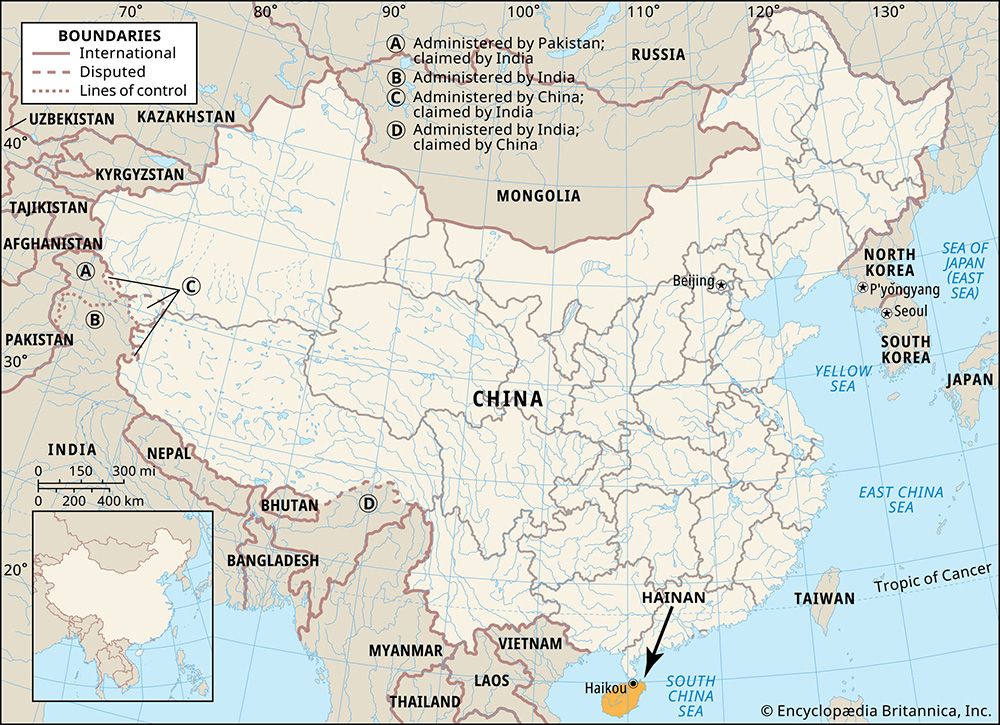
Hainan serves as a critical anchor for China’s maritime presence and regional influence. As the country’s southernmost province, its geography provides a strategic vantage point over the South China Sea.1
The province’s strategic importance is defined by several key factors:
- Territorial Administration: China designates the Paracel Islands, the Spratly Islands, and Macclesfield Bank as part of Hainan province, using this administrative framework to assert its claims over these contested waters.1
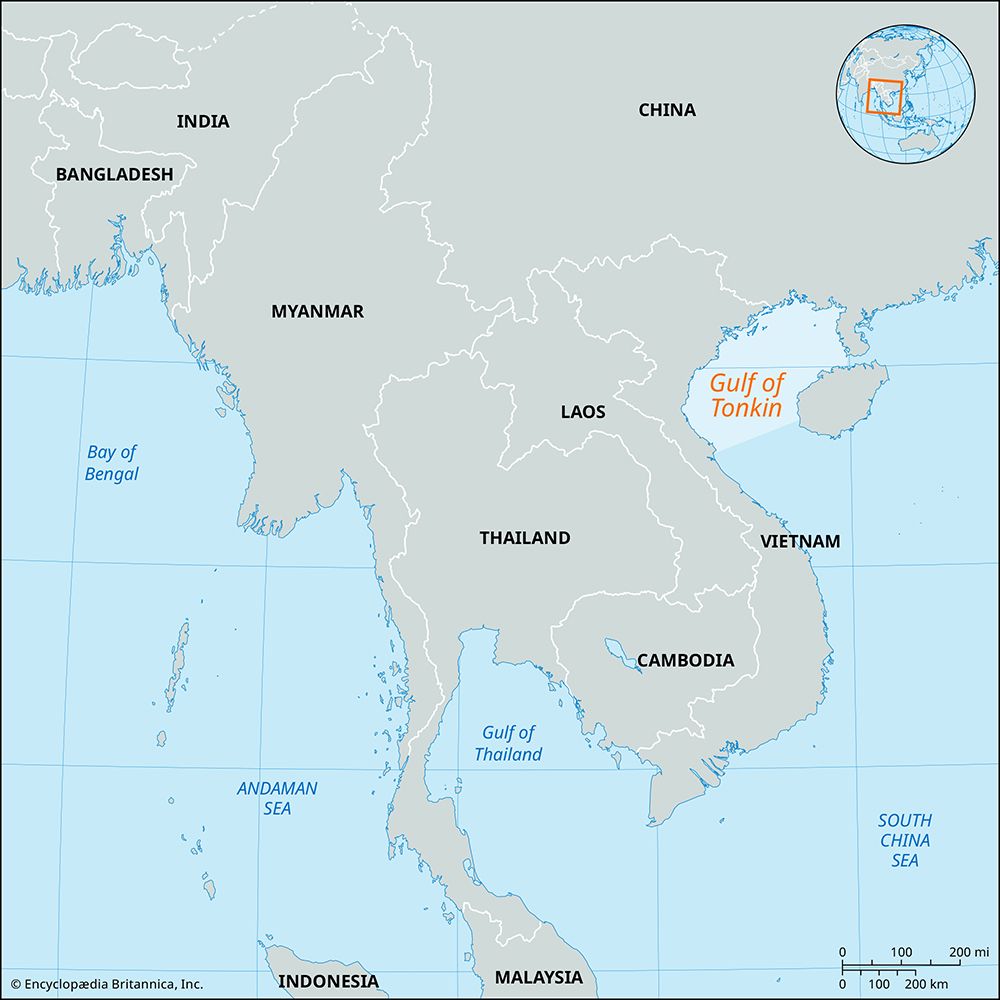
- Military and Security Role: Historically utilized as a military outpost, the island remains vital for projecting power in the region. Its location near the Gulf of Tonkin and major maritime routes underscores its role in national defense.21
- Infrastructure and Technology: The development of a major satellite-launch facility near Wenchang highlights the island’s growing role in China’s aerospace and technological capabilities, which support broader maritime and national security objectives.2
While Hainan was once considered strategically vulnerable, its elevation to provincial status in 1988 and subsequent infrastructure investment have transformed it into a central hub for China’s economic and maritime strategy.2
How has the development of space technology in Hainan contributed to China’s space program?
The provided search results do not contain information detailing how the development of space technology in Hainan has specifically contributed to the broader objectives or technical capabilities of China’s space program, other than noting the construction of a fourth major satellite-launch facility near Wenchang beginning in 2008. The China National Space Administration currently operates three other primary launch facilities in Gansu, Shanxi, and Sichuan provinces, but the specific operational impact of the Wenchang site is not elaborated upon in the available data.32

Where is Hainan located and what are its geographical features?
Hainan is the southernmost province of China, located in the South China Sea. It is separated from the Leizhou Peninsula to the north by the Hainan Strait and lies east of northern Vietnam across the Gulf of Tonkin.1
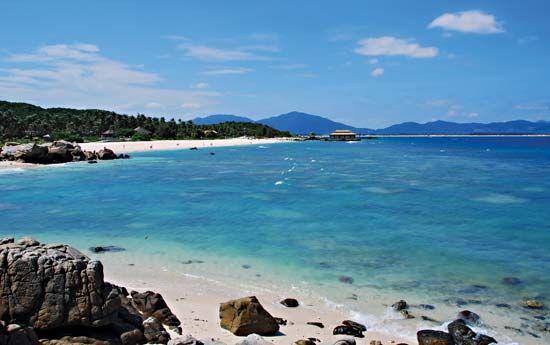
The island is oval-shaped, featuring a mountainous interior that rises to 6,125 feet at Mount Wuzhi. Lower hills and tablelands extend from this core toward coastal alluvial plains, particularly in the northeast. The island has a long coastline of over 930 miles, characterized by numerous bays and natural harbors.4
Hainan experiences a tropical, monsoonal climate with heavy summer rainfall and frequent tropical cyclones. Its diverse landscape supports tropical rainforests in the eastern mountain belt and rich biodiversity, including several endangered species. Administratively, the province also encompasses contested island groups to the south, including the Paracel Islands and the Spratly Islands.14
How does Hainan’s status as a free trade port affect its economy and international relations?
The provided search results do not contain information regarding Hainan’s specific status as a “free trade port” or its effects on international relations. While the documents confirm that Hainan was designated as China’s largest special economic zone upon becoming a province in 1988, they do not detail the policies or economic impacts associated with a free trade port designation.52
Historically, the island has been a focus for foreign investment and market-oriented development, with the central government encouraging industrial growth and infrastructure improvements to leverage the island’s resources. By 2007, industrial output had surpassed agriculture in value, marking a significant shift in the island’s economic structure.562
Sources
- Hainan — Encyclopædia Britannica
- Hainan - History of Hainan — Encyclopædia Britannica
- China National Space Administration — Encyclopædia Britannica
- Hainan - Land — Encyclopædia Britannica
- Hainan - Economy — Encyclopædia Britannica
- Haikou — Encyclopædia Britannica
Published on · 3 min read