Leizhou Peninsula
The Leizhou Peninsula is a southward-jutting landmass located in the extreme southern portion of Guangdong province, China. It serves as the eastern boundary…
What is the geographical location and significance of the Leizhou Peninsula in China?
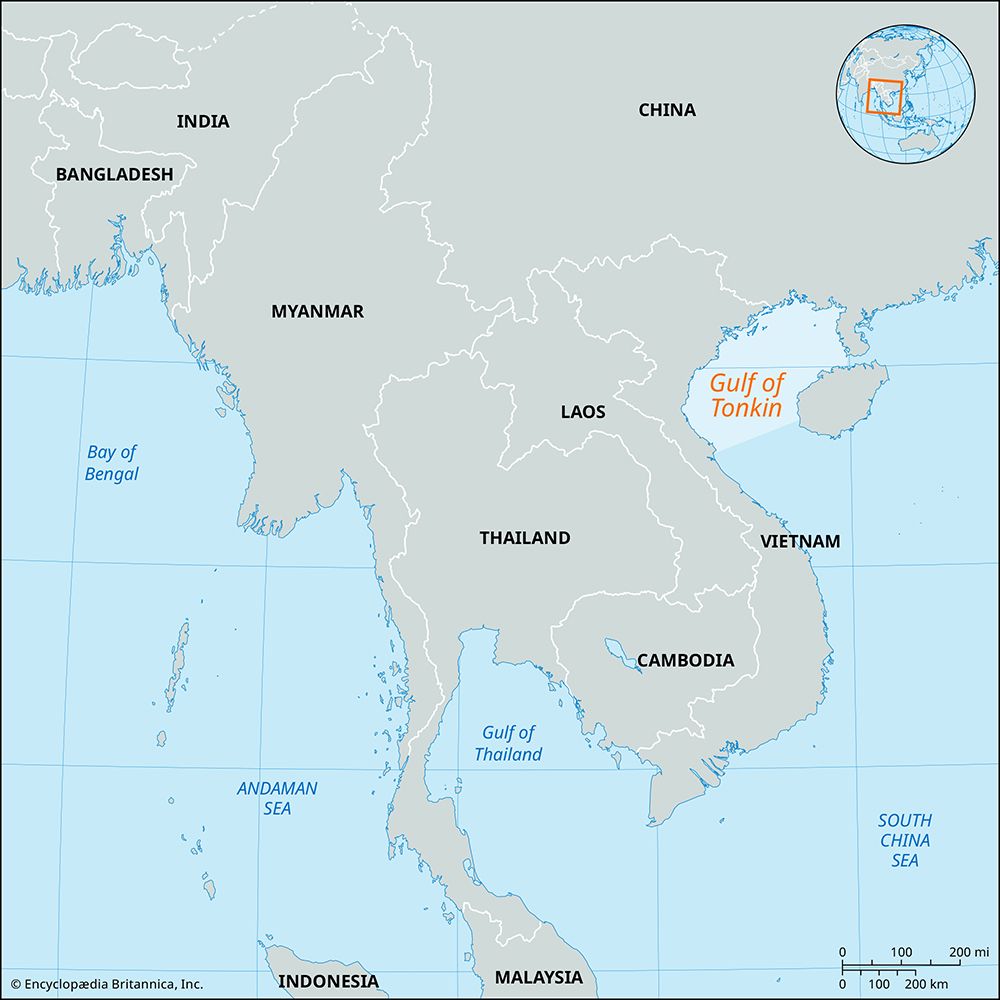
The Leizhou Peninsula is a southward-jutting landmass located in the extreme southern portion of Guangdong province, China. It serves as the eastern boundary of the Gulf of Tonkin and is separated from Hainan province by the 10-mile-wide Hainan Strait.1
The peninsula is significant as a developing national center for tropical crops and aquaculture. Its largest city, Zhanjiang, has evolved into an important port for southern China. Historically, the region was notable for the French-leased territory of Kwangchowan (1898–1946), which was centered at Zhanjiang (then known as Fort Bayard). Geologically, the area is characterized by undulating uplands, basaltic rock, and extinct volcanic cones. Due to its tropical climate and high evaporation rates, the region has implemented forest belts to protect the land, which has historically suffered from deforestation and soil erosion.1
How does the Qiongzhou Strait impact transportation and commerce for the Leizhou Peninsula?
The Qiongzhou Strait (also known as the Hainan Strait) serves as a critical maritime link between the Leizhou Peninsula and Hainan province. Its primary impact on transportation and commerce is facilitated through the port of Hai’an, located at the southern tip of the peninsula.
Since the completion of a railway line in 2000 that extends from Zhanjiang to Hai’an, the strait has become a vital transit point for regional logistics. Railway cars are transported by ferry across the 10-mile-wide channel, effectively connecting the peninsula’s rail network to the island of Hainan. This infrastructure supports the movement of goods and passengers, integrating the peninsula into broader trade routes and reinforcing its role in supporting the economic development of southern China.1
What are the main agricultural products grown on the Leizhou Peninsula?
The Leizhou Peninsula is currently under development as a national center for tropical crops and aquaculture. While rice is a staple crop in many parts of Guangdong province, it is grown less extensively on the Leizhou Peninsula than in other regions.1
Because the peninsula is located in a tropical zone, it is well-suited for a variety of industrial and fruit crops that are of national importance to the broader Guangdong region. These include:
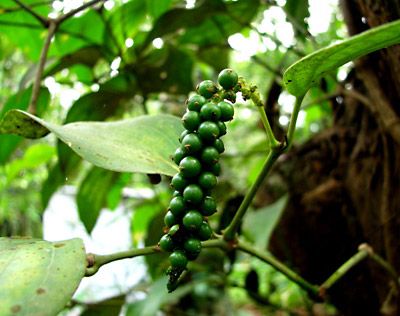
- Industrial Crops: Rubber, sisal, palm oil, hemp, coffee, and black pepper.2
- Fruits: A wide variety of fruits are cultivated, with representative types including citrus, litchi, pineapples, and bananas.2
- Other Products: Traditional agricultural goods such as sweet potatoes, peanuts (groundnuts), and tea are also produced.2
In addition to land-based agriculture, the region has a significant focus on aquaculture, which serves as a key component of its economic development.1
What are the major cities and economic activities on the Leizhou Peninsula?
The Leizhou Peninsula, located in the extreme south of Guangdong province, serves as a significant region for maritime trade, agriculture, and industrial development.
Major Cities
- Zhanjiang: The largest city and a major modern port. Once a minor fishing port, it has grown into an industrial hub with shipyards, engineering works, and plants for automobiles, textiles, and chemicals.16
- Leizhou (formerly Haikang): Historically the chief city and seat of the prefecture, located on the eastern coast.1
- Xuwen: Situated at the southern tip of the peninsula, it is home to the port of Hai’an, a critical transit point for ferry services to Hainan critical transit point for ferry services to Hainan.1
Economic Activities
- Port and Logistics: Zhanjiang is a vital port for southern China, capable of handling large vessels. The rail network extending to Hai’an facilitates the transport of goods and passengers across the Hainan Strait.16
- Agriculture and Aquaculture: The region is a national center for tropical crops, including rubber, sisal, coffee, and various fruits. Aquaculture is also a key economic pillar.1
- Industry: Beyond food processing and milling, the peninsula hosts chemical works and benefits from the presence of some mineral deposits, such as manganese and mercury.16
Sources
- Leizhou Peninsula — Encyclopædia Britannica
- Guangdong - Agriculture — Encyclopædia Britannica
- Shandong Peninsula — Encyclopædia Britannica
- Shandong - Climate of Shandong — Encyclopædia Britannica
- Jiangsu - Agriculture — Encyclopædia Britannica
- Zhanjiang — Encyclopædia Britannica
- Guangdong - Resources and manufacturing — Encyclopædia Britannica
Published on · 3 min read