Halfmoon
The term "halfmoon" (or "half-moon") refers to several distinct concepts:
What is halfmoon?
The term “halfmoon” (or “half-moon”) refers to several distinct concepts:
- Astronomy: It describes the lunar phase where half of the Moon’s disk appears illuminated from Earth. This occurs during the first quarter and last quarter phases, when the Moon is at a right angle to the Sun relative to Earth.123
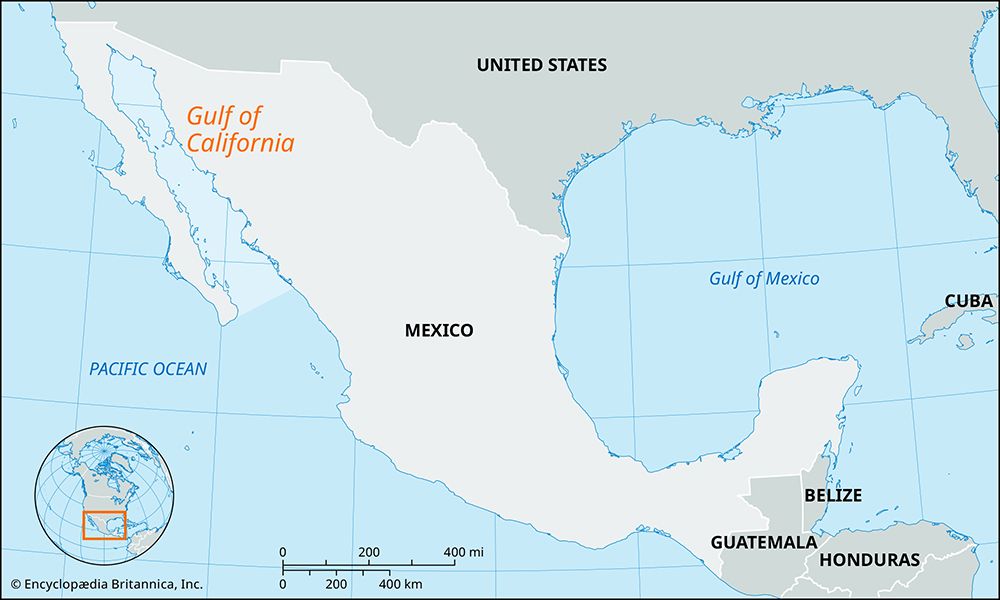
- Biology: The halfmoon (Medialuna californiensis) is an edible Pacific fish belonging to the family Kyphosidae. These bluish-gray fish typically reach about 30 centimeters in length and inhabit coastal waters from Oregon to the Gulf of California.4
- General Usage: The term is also used to describe anything shaped like a crescent or the lunule (the pale, crescent-shaped area) of a fingernail.25
What are the other seven phases of the moon?
The Moon undergoes a cycle of eight distinct lunar phases as it orbits Earth. Excluding the two quarter phases (often referred to as half-moons), the other six phases are:
- New Moon: The Moon is positioned between Earth and the Sun, rendering its illuminated side invisible from Earth.16
- Waxing Crescent: A thin sliver of light appears as the Moon begins its cycle of increasing visibility.16
- Waxing Gibbous: More than half of the Moon is illuminated, but it has not yet reached full brightness.16
- Full Moon: The entire face of the Moon is illuminated and visible from Earth.16
- Waning Gibbous: The illumination begins to diminish after the full moon.16
- Waning Crescent: The final phase, showing only a thin sliver of light before the cycle resets to a new moon.16
How does the Moon’s position affect its appearance from Earth?
The Moon’s appearance from Earth is primarily determined by its orbital geometry relative to the Sun and Earth, which dictates how much of the lunar disk is illuminated from our perspective.157
- Lunar Phases: As the Moon orbits, the angle of sunlight hitting its surface changes. During a new moon, the Moon is between Earth and the Sun, leaving the side facing us in shadow. Conversely, during a full moon, the Moon is on the opposite side of Earth from the Sun, fully illuminating the side facing us.15
- Libration: Because the Moon rotates at the same rate it revolves, it keeps the same side facing Earth. However, due to its elliptical orbit and varying speeds, it exhibits an apparent oscillation called libration. This allows observers on Earth to see slightly more than 50 percent of the lunar surface over time.5
- Distance Variations: The Moon’s distance from Earth changes as it travels along its elliptical path. When the Moon is near perigee (its closest point), it appears larger, which can influence the nature of eclipses.5
We could dive deeper into how tidal interactions are slowly changing the Moon’s orbit and distance from Earth.
What is the difference between a waxing and a waning moon?
The primary difference between a waxing and a waning moon lies in the progression of the lunar phase and the amount of the Moon’s disk that appears illuminated from Earth.
- Waxing Moon: This term describes the phase when the illuminated portion of the Moon is increasing in visibility each night. The cycle begins after the new moon and progresses through the waxing crescent, first quarter, and waxing gibbous phases as it builds toward the full moon.16
- Waning Moon: This term describes the phase when the illuminated portion of the Moon is decreasing. Following the full moon, the Moon enters the waning gibbous, last quarter, and waning crescent phases, marking a gradual retreat in visibility as it prepares to return to the new moon position.16
In essence, “waxing” refers to the growth of the Moon’s visible light, while “waning” refers to its diminishing appearance.58
Sources
- Lunar phase — Encyclopædia Britannica
- halfmoon — Encyclopædia Britannica
- half-moon — Merriam-Webster
- half-mooned — Merriam-Webster
- Moon - Principal characteristics of the Earth-Moon system — Encyclopædia Britannica
- What are the phases of the Moon? — Encyclopædia Britannica
- Moon: Top Questions — Encyclopædia Britannica
- waxing — Merriam-Webster
- wax — Merriam-Webster
Published on · 3 min read