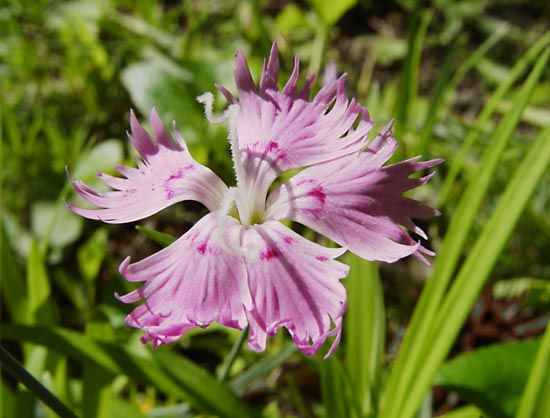
Locoweed
Locoweed, which refers to various species within the Astragalus and Oxytropis genera, contains toxins that cause a condition known as locoism when ingested…
How does locoweed affect livestock that consume it?
Locoweed, which refers to various species within the Astragalus and Oxytropis genera, contains toxins that cause a condition known as locoism when ingested by livestock, horses, and other grazing animals.12
When consumed, these plants can lead to several severe health issues:
- Behavioral Changes: Affected animals often exhibit frenzied or erratic behavior.1
- Physical Impairment: Ingestion frequently results in impaired vision.1
- Neurotoxic Effects: The plants contain toxins that impact the nervous system; horses are particularly susceptible to these effects and often display more distinct symptoms than cattle or sheep.2
- Mortality: In severe cases, the consumption of locoweed can lead to the death of the animal.1
While these plants are generally unpalatable and typically consumed only when other forage is scarce, they remain a significant poisonous plant concern in the western United States. Additionally, toxins from decaying locoweed can sometimes be absorbed by other, otherwise harmless, forage crops.12
How did locoweed get its name, and what does it mean?
The name “locoweed” is derived from the Spanish word loco, which means “crazy.” This term refers to the plant’s ability to cause “locoism” in livestock—a condition characterized by erratic, frenzied, or abnormal behavior resulting from the ingestion of toxins found in plants of the Astragalus and Oxytropis genera.23
The name reflects the observable impact these plants have on animals, as the neurotoxic effects often lead to physical and behavioral impairment. While the term “loco” has been used to describe these plants since at least 1844, the specific compound word “locoweed” entered common usage by 1877. These plants are considered a widespread poisonous concern for grazing animals in the western United States.32
What are the different species of plants that are considered locoweeds?
Locoweeds are not a single species but rather a group of poisonous plants belonging to the Fabaceae (pea) family, specifically within the genera Astragalus and Oxytropis. These plants are native to the prairies of north central and western North America.1
While many species exist, several are noted for being particularly dangerous to livestock:
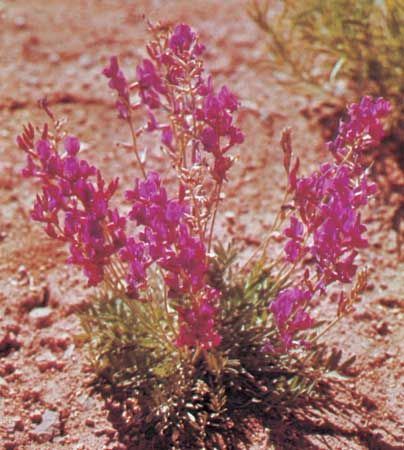
- Woolly locoweed (Astragalus mollissimus): Characterized by its woolly leaves and violet flowers.1
- Halfmoon milkvetch (A. wootonii): Distinguished by its whitish flowers.1
- Crazyweed or purple loco (Oxytropis lambertii): Features pink to purplish flowers.1
- Showy oxytropis (O. splendens): Known for its silvery hairs and rich lavender-pink flowers.1
These plants are generally low-growing, typically reaching heights of up to 45 cm (1.5 feet), and feature compound leaves along with spikes of pealike flowers.1
What toxic compounds are present in locoweed, and how do they work?
Locoweed contains potent toxins that cause a condition known as locoism in livestock, horses, and other grazing animals. While the provided search results confirm that these plants are neurotoxic and produce symptoms such as frenzied behavior, impaired vision, and potential death, they do not specify the exact chemical names of the toxic compounds or the precise biological mechanisms by which they disrupt animal physiology.12
It is important to note that the toxicity of these plants can be influenced by soil conditions, and even decaying plant matter can release toxins that are subsequently absorbed by other, otherwise harmless forage crops. Because these plants are generally unpalatable, animals typically consume them only when other food sources are scarce.1
Sources
- locoweed — Encyclopædia Britannica
- locoweed — Merriam-Webster
- loco — Merriam-Webster
- white locoweed — Merriam-Webster
Published on · 2 min read