Hamamelidaceae
Plants in the Hamamelidaceae family, commonly known as the witch hazel family, are native to both tropical and warm temperate regions across the globe.
Where are Hamamelidaceae plants typically found, and what types of habitats do they prefer?
Plants in the Hamamelidaceae family, commonly known as the witch hazel family, are native to both tropical and warm temperate regions across the globe.1
While the family encompasses a diverse range of shrubs and trees, they are widely recognized for their adaptability to various climates, with many species thriving in temperate environments where they are frequently cultivated as ornamentals. Specific members of the family are found in diverse geographic locations, such as the Persian ironwood (Parrotia persica) native to northern Iran and various species found within the Himalayan region.1
Because these plants are distributed across such broad climatic zones—ranging from tropical forests to temperate landscapes—they do not share a single, uniform habitat preference, but rather demonstrate significant ecological versatility.1
Which genera are included in the Hamamelidaceae family, and what are some notable species?
The Hamamelidaceae family, commonly known as the witch hazel family, comprises 27 genera and approximately 82 species of shrubs and trees. These plants are primarily distributed across East Asia and the Malaysian region, with additional representation in North America, Central America, Australia, tropical and southern Africa, and Madagascar.1
Notable Genera and Species
Several genera within this family are widely recognized for their horticultural value:
- Hamamelis: The witch hazel genus includes five species. Notable examples include the common witch hazel (H. virginiana), known for its late-fall blooms, and the vernal witch hazel (H. vernalis), which flowers in late winter or early spring.3
- Corylopsis: Known as winter hazel, this genus consists of shrubs native to temperate Asia that produce racemose flowers in early spring.45
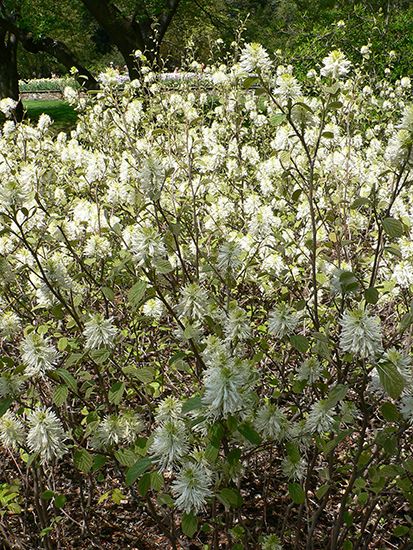
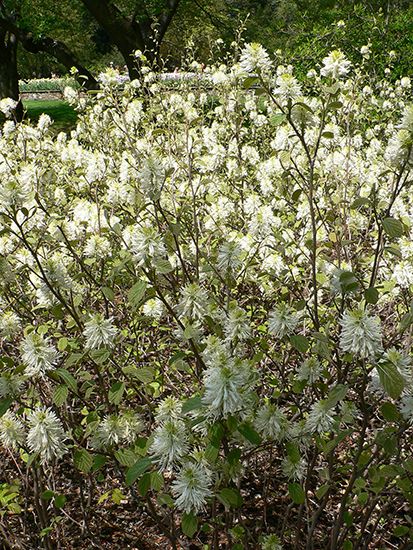
- Fothergilla: Often called witch alders, these are cultivated for their attractive spring flowers and striking autumn foliage.4
- Parrotia: Includes the Persian ironwood (Parrotia persica), a small tree from northern Iran prized for its strong wood and vibrant fall leaf colors.4
- Parrotiopsis: Includes Parrotiopsis jacquemontiana, a Himalayan species with wood strong enough for traditional basket and bridge construction.4
- Disanthus: Features the Japanese shrub Disanthus cercidifolius, which is noted for its dark purple flowers and crimson autumn leaves.4
- Exbucklandia: A genus of tropical Asian trees valued for their timber.4
How are Hamamelidaceae plants used in horticulture and landscaping?
Plants in the Hamamelidaceae family are highly valued in horticulture and landscaping primarily for their aesthetic contributions to the garden across multiple seasons. Their utility in these settings is defined by several key traits:
- Early Flowering: Many species, such as witch hazel (Hamamelis) and winter hazel (Corylopsis), are prized in temperate climates for producing flowers in very early spring, often before other plants have begun to bloom.1
- Seasonal Foliage: Several genera are cultivated specifically for their dramatic autumn color. Fothergilla is noted for its striking fall foliage, while the Persian ironwood (Parrotia persica) and the Japanese shrub Disanthus cercidifolius are celebrated for leaves that transition into vibrant shades of golden yellow, orange, scarlet, and crimson.1
- Structural and Functional Use: Beyond ornamental display, some species serve practical purposes. The strong, close-grained wood of the Persian ironwood and the flexible twigs of Parrotiopsis jacquemontiana have historically been utilized for construction, such as making baskets and bridges in their native regions.1
What is the evolutionary history of the Hamamelidaceae family?
The Hamamelidaceae family, commonly known as the witch hazel family, is part of the order Saxifragales. While earlier classification systems by botanists such as Arthur Cronquist and Armen Takhtajan placed these families in disparate groups, modern molecular studies have confirmed that the families within Saxifragales form a monophyletic, or evolutionarily related, group.7
The internal evolutionary relationships among the families in this order remain largely unresolved, a phenomenon researchers attribute to a rapid ancient radiation. This hypothesis is supported by the fact that many families within the order, including Hamamelidaceae, are relatively small and geographically restricted. Furthermore, the evolutionary history of the Hamamelidaceae is underscored by an extensive fossil record, which is a common trait among the woody families within this order.7
Sources
- Hamamelidaceae — Encyclopædia Britannica
- Hamamelidaceae — Merriam-Webster
- liquidambar — Merriam-Webster
- Saxifragales - Major families — Encyclopædia Britannica
- witch hazel — Encyclopædia Britannica
- Corylopsis — Merriam-Webster
- Saxifragales - Order characteristics — Encyclopædia Britannica
Published on · 3 min read