Hami
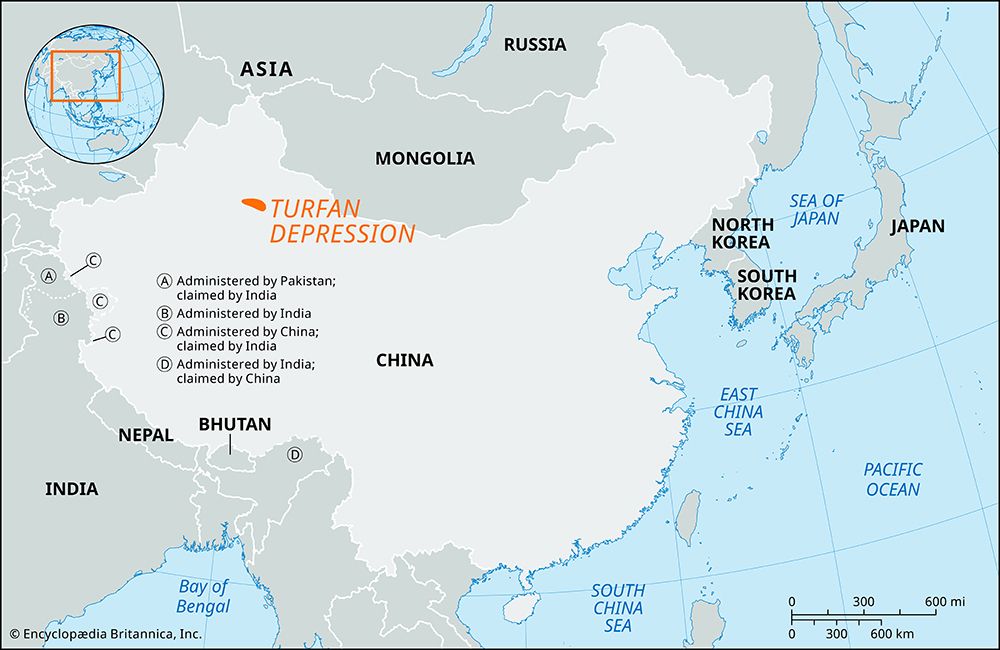
The Hami region, located in the eastern part of the Xinjiang Uygur Autonomous Region, is rich in several key natural resources that support its industrial…
What natural resources are found in the Hami region?
The Hami region, located in the eastern part of the Xinjiang Uygur Autonomous Region, is rich in several key natural resources that support its industrial economy.
The primary mineral and energy resources found in or associated with the Hami basin include:
- Coal: The area contains a significant coalfield with substantial reserves, which supplies industrial needs in the regional capital, Ürümqi.1
- Petroleum and Natural Gas: Since the late 1980s, the exploitation of oil and gas in the Hami basin—part of the broader Tu-Ha Oil Field—has become a major economic driver for the city.12
- Iron: Hami has been a notable producer of iron and steel since the late 1950s.1
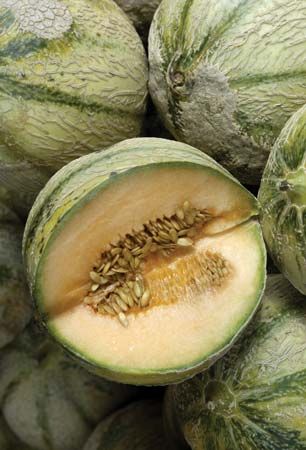
In addition to these mineral and energy resources, the surrounding oases support agricultural production, with the region being particularly well-known for its muskmelons.1
What are the main industries and economic activities in Hami?
The economy of Hami is primarily driven by its significant mineral wealth, energy production, and agricultural output. Since the mid-20th century, the city has evolved into an important industrial hub within the Xinjiang region.
Industrial and Economic Activities
- Energy and Mining: Hami is a major center for coal extraction, with substantial reserves that supply industrial needs in Ürümqi. The city also plays a critical role in the energy sector through the exploitation of the Tu-Ha Oil Field, which encompasses both the Turfan and Hami basins. Since the late 1980s, the development of petroleum and natural gas in these basins has significantly boosted the local economy.12
- Heavy Industry: Hami has been a notable producer of iron and steel since the late 1950s.1
- Agriculture: The surrounding oases support productive farming, yielding a variety of agricultural goods. The region is particularly famous for its muskmelons, which are a well-known local specialty.1
What is the population of Hami and how has it changed over the years?
The population of Hami was estimated at 237,042 in 2003.1
The provided information does not contain specific data regarding the historical population trends or changes in the number of residents over the years beyond this 2003 estimate.1
How does the Silk Road’s history relate to Hami’s development?
Hami’s development is deeply rooted in its strategic position as a vital stage on the Silk Road, serving as a gateway between Gansu province and Central Asia.1
Historically, the city—known in early times as Yiwu—was a focal point for Chinese expansionist policies in western Asia. Its importance as a transit point led to repeated occupations by successive Chinese dynasties, including the Han, Sui, and Tang, which established administrative commanderies and prefectures to secure the route. Over the centuries, control of the oasis shifted between various powers, including the Uyghurs, Mongols, and [Dzungars], before being incorporated into the Qing dynasty empire.1
While the ancient trade routes shaped its early history, Hami’s modern development has been reinforced by contemporary infrastructure. Since 1949, the city has been integrated into China’s national network through rail and highway systems, mirroring the historical connectivity of the Silk Road. This legacy continues today, as the region remains a key link in modern transit and infrastructure strategies.13
Sources
- Hami — Encyclopædia Britannica
- Xinjiang - Resources and manufacturing — Encyclopædia Britannica
- Silk Road: Top Questions — Encyclopædia Britannica
Published on · 2 min read