Harz
The Harz region’s historical development was fundamentally shaped by mining and metallurgy between the 10th and 16th centuries. The extraction of silver…
How has the Harz region’s history been influenced by mining and industrialization?
The Harz region’s historical development was fundamentally shaped by mining and metallurgy between the 10th and 16th centuries. The extraction of silver, lead, iron, copper, and zinc drove early settlement and intensive regional growth, supported by the area’s abundant timber and water resources.1
This industrial legacy remains visible today through the region’s infrastructure. Mountain waters, once vital for mining, are now managed by a system of dams that provide electric power and drinking water to distant towns, while also serving as flood protection.1
While metal mining has largely ceased, the region has transitioned toward other industrial and service-based activities. Modern economic pillars include stone quarrying—specifically for granite, marble, and gypsum—and wood processing for paper and cardboard production. Today, tourism is the most significant local industry, drawing visitors to the region’s well-preserved historic architecture, health spas, and the Harz National Park.1
What are some popular tourist attractions and outdoor activities in the Harz region?
The Harz region is a premier destination for travelers, offering a blend of natural beauty, historical depth, and recreational opportunities.
Outdoor Activities
- Winter Sports: The Oberharz is well-known for its winter sports centers, with Bad Harzburg, Hahnenklee, and Braunlage serving as the most popular hubs for skiing and other cold-weather activities.13
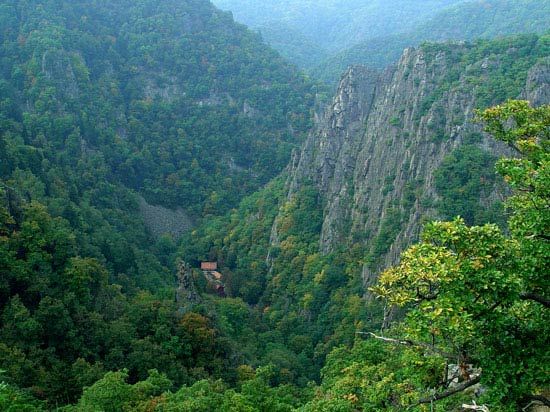
- Nature and Hiking: The Harz National Park provides extensive opportunities for exploring forest scenery, moors, and diverse ecosystems.43
- Water Sports: The region’s abundant mountain waters, managed by a system of dams, are a primary attraction for various water-based sports.4
Cultural and Historical Attractions
- Historic Cities: Goslar is a highlight for visitors, featuring a medieval city center and the historic Rammelsberg mines, both of which are designated UNESCO World Heritage sites.3
- Spas and Wellness: The region is famous for its fashionable health spas, which have long been a staple of the local tourism industry.41
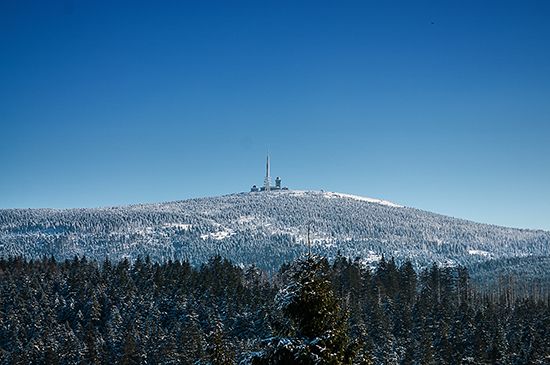
- Legends and Folklore: The Brocken, the highest peak in the range, is a major draw due to its deep roots in literature and folklore, often associated with the region’s history as a stronghold of paganism.4
Where are the Harz Mountains located in Germany, and what is their geological significance?
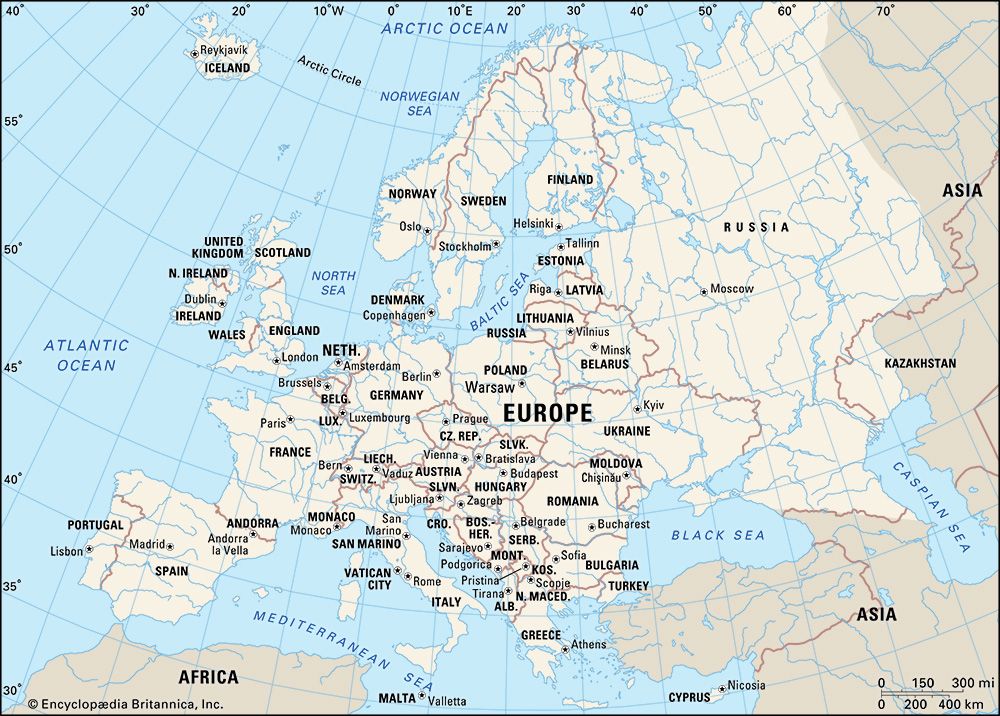
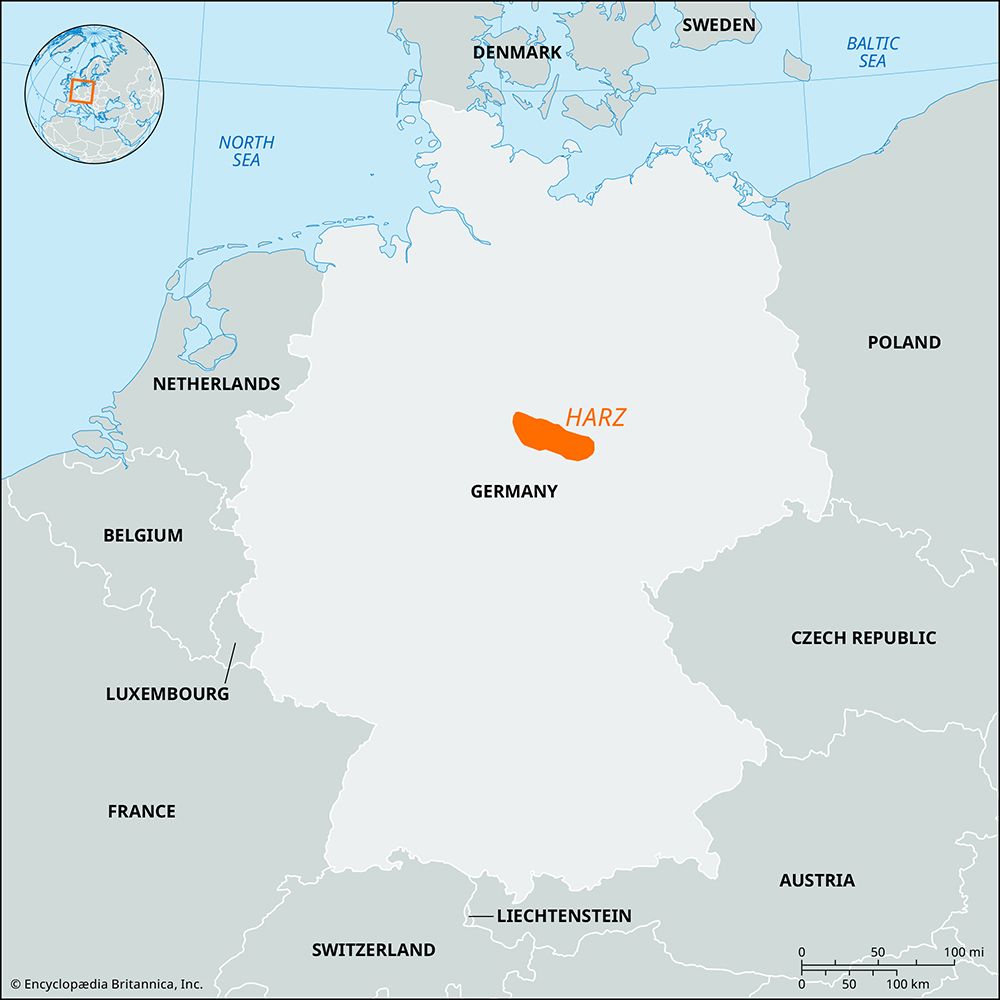
The Harz is the most northerly mountain range in Germany, situated between the Weser and Elbe rivers and spanning the states of Lower Saxony and Saxony-Anhalt. The range extends approximately 60 miles (100 km) in length and 20 miles (32 km) in breadth, characterized by an irregular series of terraced plateaus composed of slates, sandstones, and limestones, with notable granite summits such as the Brocken.1
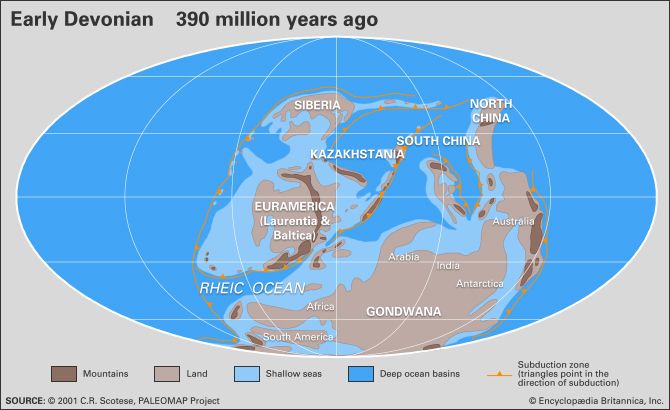
Geologically, the Harz is a significant component of the Hercynian (or Variscan) orogenic belt, which evolved during the Devonian and Carboniferous periods (approximately 419 to 299 million years ago). This mountain range is of particular scientific interest because it preserves remnants of the original ocean floor in the form of ophiolites, providing evidence of the plate-tectonic processes—including seafloor spreading and continental collision—that shaped the European landscape.5
How has tourism evolved in the Harz region over the past century?
Tourism in the Harz region has evolved from a niche interest in the area’s folklore and natural scenery into its most important local industry. While the region was historically defined by intensive mining and metallurgy from the 10th to the 16th centuries, the decline of these extractive industries necessitated a shift toward service-based economic models.
Over the past century, the region has leveraged its unique geography and cultural heritage to establish a robust tourism sector. Key developments include:
- Health and Wellness: The region has long been renowned for its fashionable health spas, which remain a cornerstone of the local tourism economy.
- Nature Conservation: The establishment of the Harz National Park has formalized the protection of the region’s forest scenery, attracting hikers and nature enthusiasts.
- Infrastructure: The management of mountain waters through a sophisticated system of dams—originally built for mining—now supports water-based sports and provides essential resources for the tourism infrastructure.
- Cultural Heritage: The preservation of historic towns and the promotion of the Brocken’s literary and legendary associations continue to draw visitors interested in history and folklore.
Sources
- Harz — Encyclopædia Britannica
- Saxony-Anhalt — Encyclopædia Britannica
- Bad Harzburg — Encyclopædia Britannica
- Lower Saxony - National parks and cultural life — Encyclopædia Britannica
- Europe - Hercynian orogenic belt — Encyclopædia Britannica
- Harz — Merriam-Webster
Published on · 3 min read