Hawthorn
Hawthorns, belonging to the genus Crataegus, are thorny shrubs or small trees within the rose family. They are native to the north temperate zone and are…
What are the key characteristics of hawthorn plants, including their appearance and habitat?
Hawthorns, belonging to the genus Crataegus, are thorny shrubs or small trees within the rose family. They are native to the north temperate zone and are widely recognized for their utility as ornamental plants and effective hedges.1
Appearance
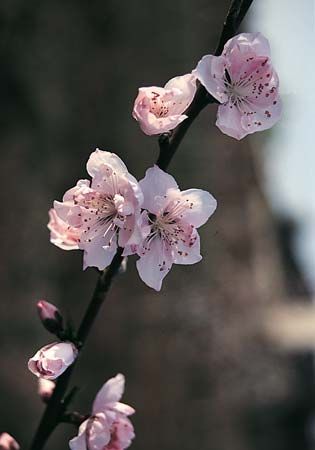
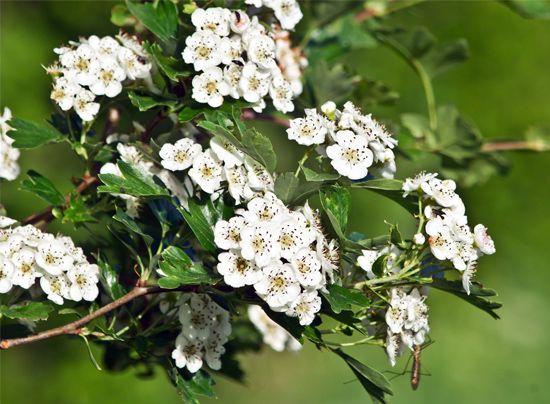
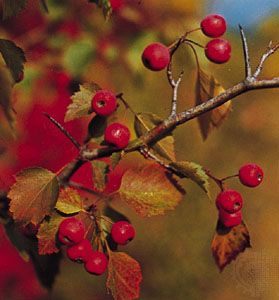
These deciduous plants feature simple, typically toothed or lobed leaves. They produce clusters of white or pink flowers, which are followed by small, applelike fruits known as pomes. These fruits range in color from red and orange to blue or black. A defining characteristic is their sturdy twigs and numerous thorns, which serve as a natural barrier. Some species, such as the cockspur hawthorn, possess exceptionally long, slender thorns.1
Habitat and Ecology
Hawthorns are commonly found throughout the north temperate zone, with many species native to North America. They often form thickets and are ecologically significant, providing essential food and nesting protection for various bird species. While they are hardy, some varieties are susceptible to conditions like fire blight and rust.1
What is the origin and distribution of hawthorn plants around the world?
Hawthorn plants, belonging to the genus Crataegus, are native to the north temperate zone. The name itself is derived from the New Latin Crataegus, which originates from the Greek krataigos, likely combining terms for “strength” and “oak,” reflecting the plant’s sturdy nature.13
Regarding their distribution, hawthorns are widely dispersed across the Northern Hemisphere:
- North America: This region is home to a significant number of species, with many wild varieties forming thickets, particularly throughout the eastern half of the United States.1
- Eurasia: Certain species, such as the common hawthorn (C. monogyna) and the smooth hawthorn (C. laevigata), are native to Eurasia.2
- Global Presence: Due to their popularity as ornamental plants and their utility in forming hedges, various species have been introduced and established as escapes in regions outside their native ranges, including parts of eastern North America.12
The taxonomy of these plants remains somewhat complex because different species readily hybridize with one another.1
How are hawthorn plants cultivated and used in landscaping or gardening?
Hawthorn plants are widely cultivated as ornamentals in landscaping and gardening due to their attractive flowers and fruits. Their utility in garden design includes:
- Hedges: Species like the common hawthorn (Crataegus monogyna) and smooth hawthorn (C. laevigata) are ideal for hedging. Their sturdy twigs and numerous thorns create a formidable, natural barrier against cattle and wildlife.1
- Ornamental Features: Many varieties are selected for their aesthetic appeal, such as the horizontal branching habit of certain species or the showy pink and red flower clusters of cultivated smooth hawthorn varieties. The Washington hawthorn is particularly valued for its vibrant red autumn foliage and persistent orange-red fruits.1
- Maintenance: Proper pruning is essential to enhance shape and flowering potential. Gardeners should prune just above the branch collar to avoid injury, as incorrect techniques can leave the plant vulnerable to disease.2
While popular, these plants can be susceptible to fire blight, leaf spot, and rust, which may require careful management.1
How are hawthorn plants used in traditional medicine and what are their potential health benefits?
Hawthorn plants, belonging to the genus Crataegus, produce small, apple-like fruits known as pomes. While these fruits vary in flavor and texture, they are edible and have been utilized in herbal medicine.
Beyond this general mention of their use in traditional practices, the provided information does not detail specific medicinal applications or clinical health benefits associated with the plant.
Sources
- hawthorn — Encyclopædia Britannica
- English hawthorn — Merriam-Webster
- Crataegus — Merriam-Webster
- pruning — Encyclopædia Britannica
Published on · 3 min read