Flowering Quince
Flowering quince (Chaenomeles) plants are deciduous shrubs typically grown as ornamentals in outdoor gardens. While they are not traditionally classified as…
Can flowering quince plants be grown in containers or indoors?
Flowering quince (Chaenomeles) plants are deciduous shrubs typically grown as ornamentals in outdoor gardens. While they are not traditionally classified as indoor houseplants, the Japanese quince is popularly cultivated in bonsai, a practice that involves growing plants in containers.12
Because these plants are deciduous and naturally bloom in late winter or early spring, they require a distinct period of dormancy to thrive, which can be difficult to replicate in a standard indoor environment. If you choose to grow them in containers, they must be kept in a location that allows them to experience these seasonal temperature changes.12
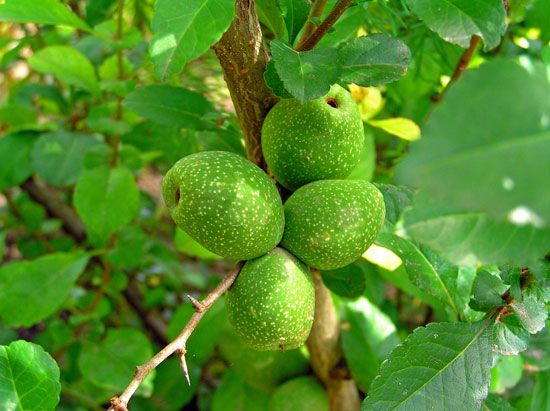
Are there any edible parts of the flowering quince plant, and how are they used?
It is a common misconception that the flowering quince (Chaenomeles) is purely ornamental and lacks culinary value. While it is primarily cultivated for its showy flowers, the plant does produce edible fruit that can be utilized in the kitchen.2
The fruit of the flowering quince is a pome that is notably astringent when raw. Because of this high astringency, it is rarely eaten fresh. However, the fruit is effectively used in the preparation of preserves and liqueurs, where cooking and sweetening help to balance its sharp, apple-like flavor. Due to these characteristics, the fruit holds potential as an alternative fruit crop.2
It is important to distinguish the flowering quince from the common quince (Cydonia oblonga), which is a different genus also in the Rosaceae family and is more traditionally grown specifically for its edible fruit.12
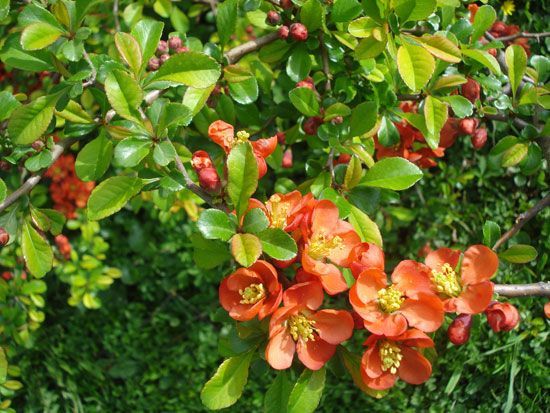
How does the flowering quince differ from other members of the Rosaceae family?
The flowering quince (Chaenomeles) is a member of the Rosaceae family, a diverse group of approximately 2,500 species that includes many economically significant food crops and ornamental plants.134
Classification and Subfamily
The Rosaceae family is typically divided into four subfamilies based primarily on the type of fruit they produce. The flowering quince is categorized within the Maloideae subfamily, which is characterized by the production of pomes—fruits in which the floral hypanthium (a cup-like structure) becomes fleshy. Other members of this subfamily include:34
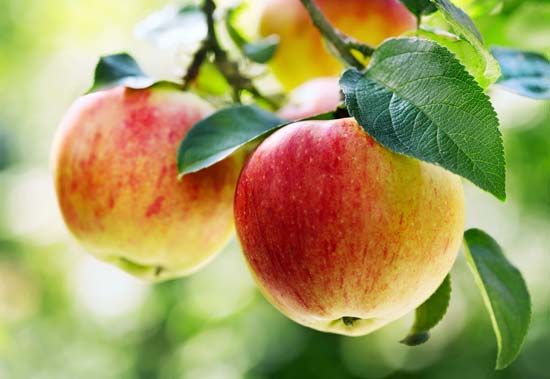
- Apples (Malus)
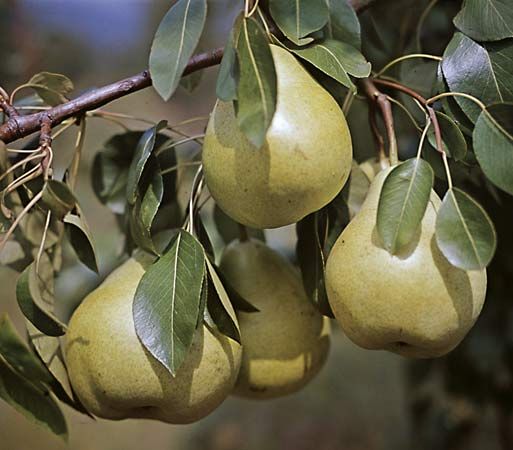
- Pears (Pyrus)
- Common quince (Cydonia oblonga)
- Hawthorn (Crataegus)
- Loquat (Eriobotrya japonica)
Distinctions Within the Family
While the flowering quince shares the pome fruit structure with the plants listed above, it differs from other Rosaceae subfamilies in several ways:
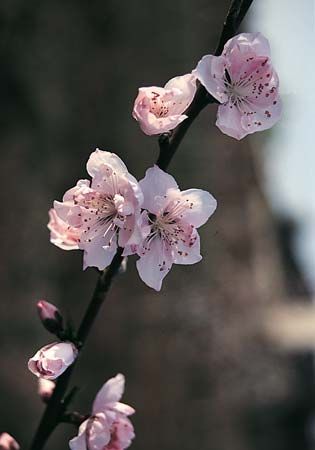
- Amygdaloideae: Unlike the flowering quince, this group (which includes peaches, cherries, and almonds) produces drupes, or fleshy stone fruits.34
- Rosoideae: This subfamily, which includes strawberries, raspberries, and roses, produces achenes (dry fruits that do not open) or drupelets.34
- Spiraeoideae: This group, including spirea, produces follicles, which are dry fruits that open along one side.34
Physically, the flowering quince is distinguished as a spiny, deciduous shrub with serrated leaves, primarily cultivated for its ornamental value rather than as a primary food source, unlike many of its relatives in the Maloideae subfamily.1
What are some common varieties of flowering quince, and how do they differ from each other?
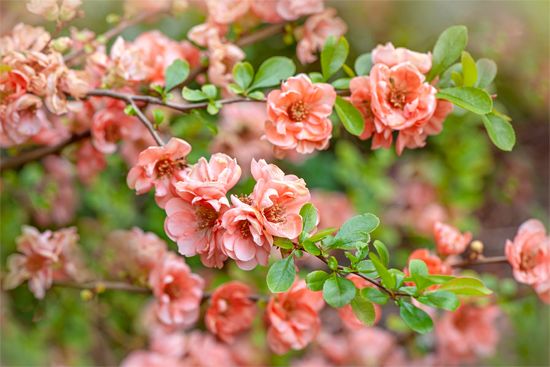
The genus Chaenomeles, commonly known as flowering quince, consists of three primary species native to eastern Asia. While all are spiny, deciduous shrubs valued for their ornamental flowers, they differ in size and fruit characteristics.1
Major Species of Flowering Quince
- Chinese Flowering Quince (Chaenomeles cathayensis): This is the largest of the three species, reaching heights of up to 3 metres (9.8 feet). It is distinguished by its white to pink flowers and its ability to produce the largest fruit in the genus, which can grow to 15 cm (5.9 inches) in length.1
- Japanese Quince (Chaenomeles japonica): This species is widely recognized for its popularity in bonsai cultivation. It has been the source of numerous horticultural varieties that offer a diverse range of flower colors, including red, pink, and white.1
- Common Flowering Quince (Chaenomeles speciosa): Often utilized in informal garden hedges, this species grows to approximately 2 metres (6.6 feet) in height. Like the Japanese quince, it produces flowers in shades of red, pink, or white.1
These species are distinct from the common quince (Cydonia oblonga), which is a separate genus grown primarily for its edible fruit rather than its ornamental flowers.12
Sources
- flowering quince — Encyclopædia Britannica
- Quince — Encyclopædia Britannica
- Rosaceae — Encyclopædia Britannica
- list of plants in the family Rosaceae — Encyclopædia Britannica
- flowering quince — Merriam-Webster
Published on · 3 min read