Hayes River
The Hayes River is a river located in northeastern Manitoba, Canada. It originates from several lakes in the central part of the province and flows…
What is Hayes River?
The Hayes River is a river located in northeastern Manitoba, Canada. It originates from several lakes in the central part of the province and flows northeastward for 300 miles (500 km) across the Canadian Shield before emptying into Hudson Bay at York Factory.1
The river was named after Sir James Hayes of the Hudson’s Bay Company. Historically, it served as a vital transportation route, alongside the Nelson River, connecting the port of York Factory to Lake Winnipeg and the Canadian interior.1
Please note that the Hayes River is distinct from the Hay River, which is a town and a separate river system located in the Northwest Territories.2
What was the role of York Factory in the fur trade?
York Factory served as the primary port, supply depot, and administrative headquarters for the Hudson’s Bay Company’s extensive fur-trading operations across northern Canada.3
Strategically located at the mouth of the Hayes River, the post functioned as a critical gateway between the interior of the continent and the maritime trade routes of Hudson Bay. Furs collected from the interior were transported via the Hayes and Nelson rivers to York Factory, where they were processed and shipped, while trade goods were distributed back into the interior through the same network.31
The site maintained this central role for over two centuries, operating as a vital hub until the late 19th century. Its prominence eventually waned following the 1870 transfer of the Northwest Territories to Canada and the subsequent development of alternative transportation infrastructure, such as the railroad to Churchill.3
What is the Canadian Shield and how was it formed?
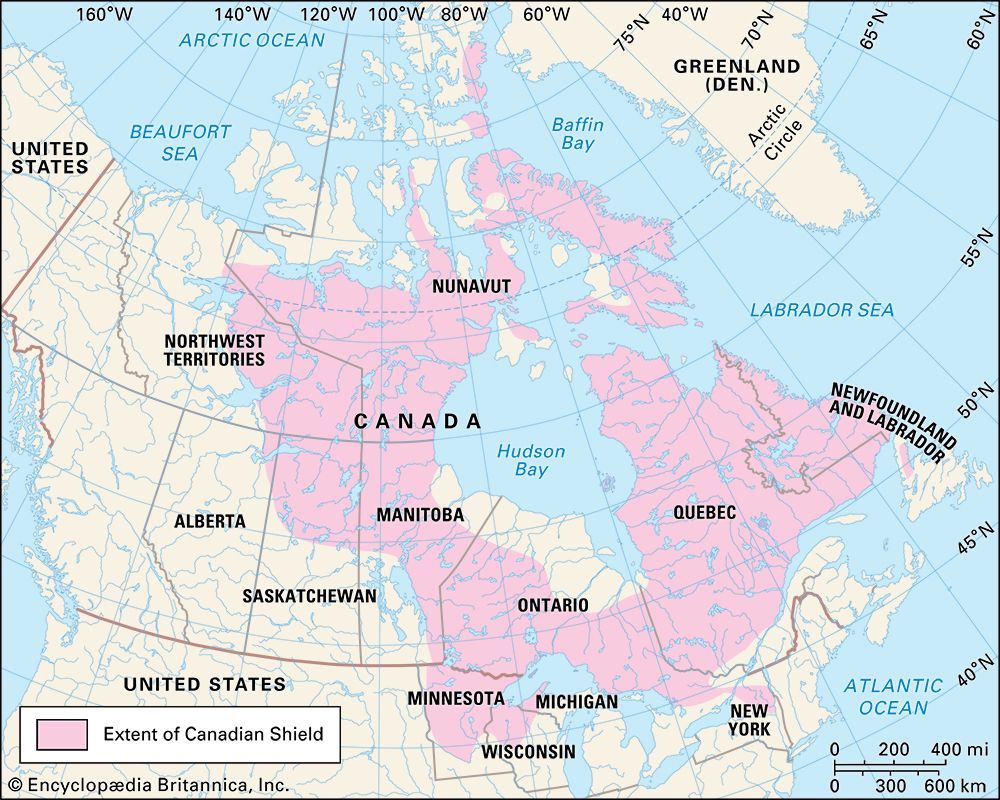
The Canadian Shield is the vast continental interior, or craton, of North America. Covering approximately half of Canada, it is the largest mass of exposed Precambrian rock on Earth, containing some of the oldest rocks in the world, some dating back nearly 4 billion years.4567
Formation and Geology
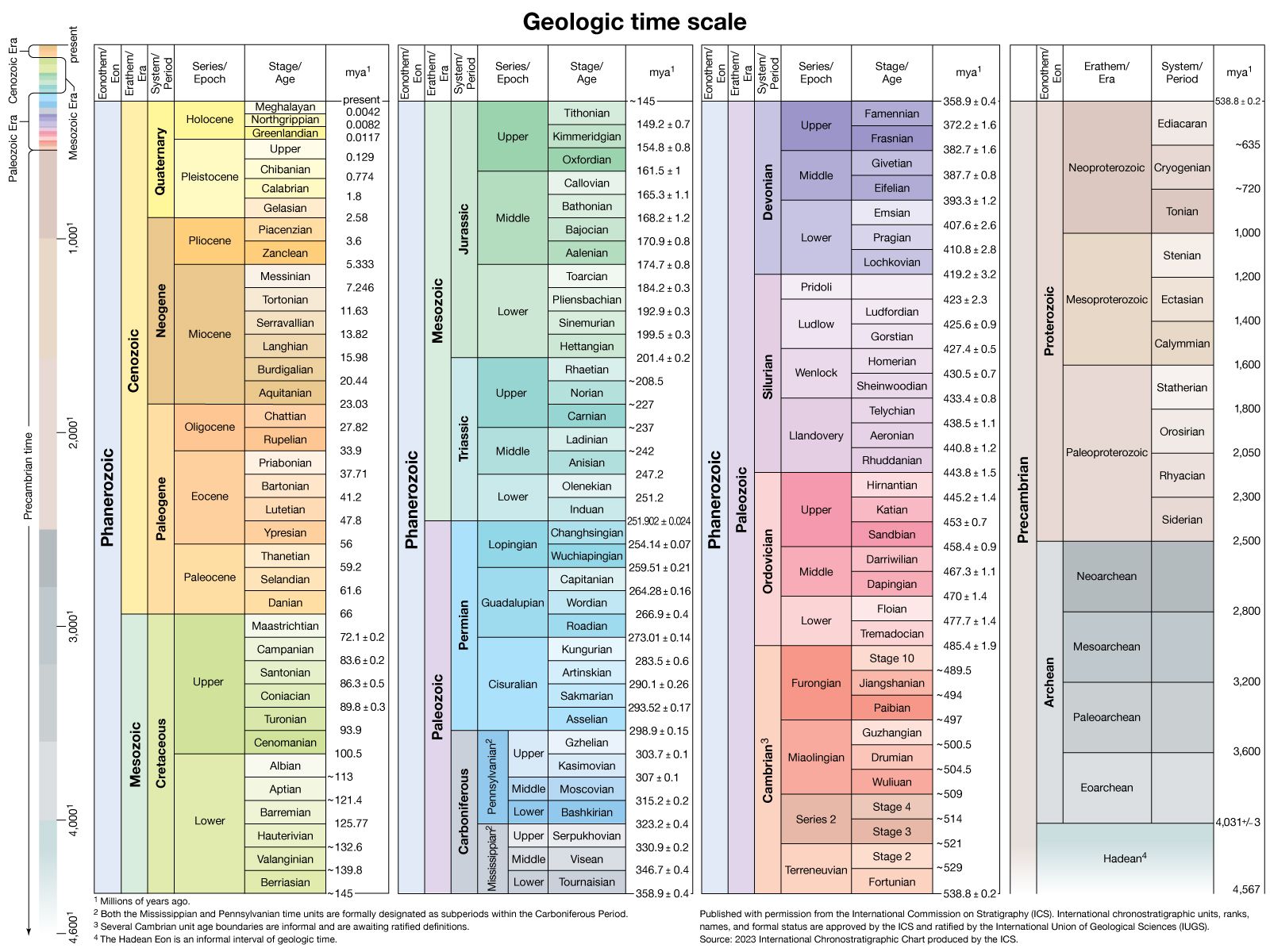
The shield’s complex structure is the result of a long history of geological activity, including uplift, depression, and mountain building. It was formed through the fusion of at least four discrete continents between 2.0 and 1.8 billion years ago. Over millions of years, these ancient mountain ranges were worn down by erosion until the region was reduced almost to a plain.4857
Glacial Impact
The present-day landscape was significantly shaped by glaciers during the Pleistocene Epoch. As ice sheets advanced and retreated, they scraped away weathered rock, creating a rugged surface of rock knobs, ridges, and basins. These basins filled with water, forming the hundreds of thousands of lakes and rivers that characterize the region today.57
How did the Hudson’s Bay Company influence Canadian history?
The Hudson’s Bay Company (HBC) has played a foundational role in Canadian history, shaping the nation’s economic and political landscape since its incorporation in 1670.9
Territorial Influence
Granted a monopoly over Rupert’s Land—a vast territory stretching from Labrador to the Rocky Mountains—the company effectively governed much of what is now Canada for two centuries. In 1870, the HBC sold these remaining territories to the Canadian government, a pivotal transaction that facilitated the expansion of the young nation.910
Economic and Social Impact
- Fur Trade Dominance: The HBC was central to the fur trade, driving exploration and the establishment of inland trading posts like Cumberland House.9
- Rivalry and Consolidation: A bitter, often violent rivalry with the North West Company culminated in the Seven Oaks Massacre (1816). The subsequent 1821 merger consolidated the trade under the HBC charter, ending Montreal’s era as a primary fur-trading hub.91011
- Cultural Development: The trade fostered deep, complex interactions between European traders and First Nations peoples, contributing to the emergence of the Métis culture.11
Today, the company remains a significant business entity, having transitioned from its origins in the fur trade to modern retail and real estate.9
Sources
- Hayes River — Encyclopædia Britannica
- Hay River — Encyclopædia Britannica
- York Factory — Encyclopædia Britannica
- Canadian Shield: Top Questions — Encyclopædia Britannica
- Canada - The Canadian Shield — Encyclopædia Britannica
- North America - 4.6 to 3.0 billion years ago — Encyclopædia Britannica
- Canadian Shield — Encyclopædia Britannica
- North America - The Canadian Shield — Encyclopædia Britannica
- Hudson’s Bay Company — Encyclopædia Britannica
- Manitoba - The fur trade era — Encyclopædia Britannica
- Canada - The Montreal fur traders — Encyclopædia Britannica
Published on · 3 min read