Koyukuk River
The Koyukuk River is located in central Alaska, United States. It originates from several headstreams on the southern slopes of the Endicott Mountains within…
Where is the Koyukuk River located in Alaska, and what are its major tributaries?
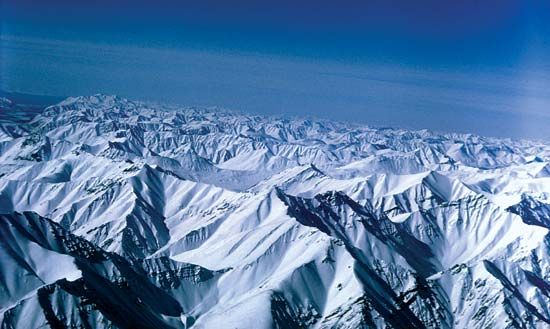
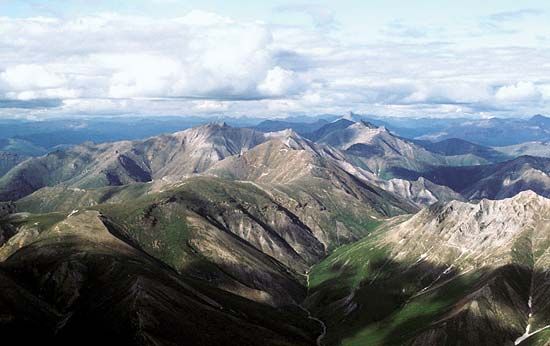
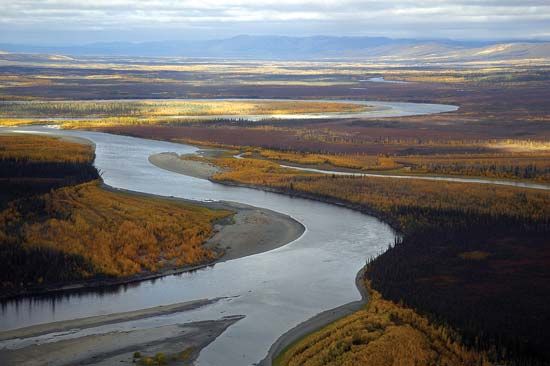
The Koyukuk River is located in central Alaska, United States. It originates from several headstreams on the southern slopes of the Endicott Mountains within the central Brooks Range. From there, it flows southwestward for approximately 550 miles, passing through the Gates of the Arctic National Park and Preserve before joining the Yukon River near the village of Koyukuk.12
Regarding your inquiry about the river’s major tributaries, the provided information does not list specific named tributaries of the Koyukuk River. It notes only that the river rises from several headstreams in the Brooks Range and drains a total area of approximately 35,000 square miles.1
What recreational activities are popular along the Koyukuk River?
Sorry, the Britannica knowledge base does not contain information regarding specific recreational activities popular along the Koyukuk River. While the river flows through the Gates of the Arctic National Park and Preserve and the Koyukuk National Wildlife Refuge, the provided search results do not detail the recreational opportunities available in those areas.1
How has the Koyukuk River influenced the local ecosystem and wildlife?
The Koyukuk River plays a significant role in the landscape of central Alaska, flowing through the Gates of the Arctic National Park and Preserve and the Koyukuk National Wildlife Refuge. While the provided search results do not detail specific ecological interactions unique to the Koyukuk River itself, the river basin is characterized by continuous permafrost and serves as a vital drainage system for a 35,000-square-mile area.1
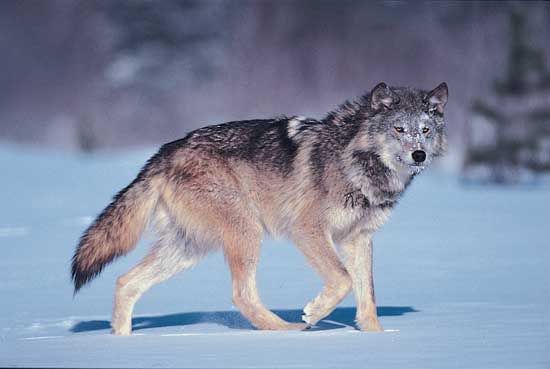
The broader region, including the nearby Yukon River basin and surrounding wilderness, supports a diverse array of wildlife. These ecosystems are home to large mammals such as grizzly and black bears, moose, wolves, and caribou, as well as various furbearers like lynx, fox, and mink. The waterways in this region are known to support numerous species of fish, including salmon, whitefish, and Arctic grayling.32
What role did the Koyukuk River play during the Alaska Gold Rush?
During the gold rush of the late 1890s, the Koyukuk River basin became a site of prospecting activity following the discovery of placer gold deposits in 1898. These findings led to the establishment of settlements along the river, most notably Wiseman and Allakaket.
However, unlike the major strikes that fueled the Klondike gold rush elsewhere in the region, the deposits found in the upper Koyukuk basin were not of significant commercial importance. Consequently, while the area saw a influx of gold seekers during this period, it did not experience the large-scale, long-term mining booms or the massive population growth seen in other parts of the Yukon territory.167
Sources
- Koyukuk River — Encyclopædia Britannica
- Koyukuk — Merriam-Webster
- Kobuk Valley National Park — Encyclopædia Britannica
- Brooks Range — Encyclopædia Britannica
- Yukon River - Plant and animal life — Encyclopædia Britannica
- Yukon River - History — Encyclopædia Britannica
- Innoko River — Encyclopædia Britannica
- Yukon - The gold rush and territorial status — Encyclopædia Britannica
Published on · 2 min read