Helmand River
The Helmand River is essential to the ecology of the Sistan Basin, a region characterized by a series of lakes, marshes, and swamps on the border of…
How does the Helmand River contribute to the ecology of the Sistan Basin?
The Helmand River is essential to the ecology of the Sistan Basin, a region characterized by a series of lakes, marshes, and swamps on the border of Afghanistan and Iran.1
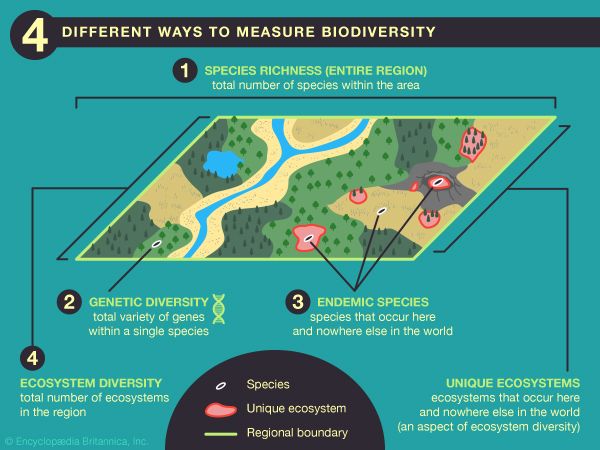
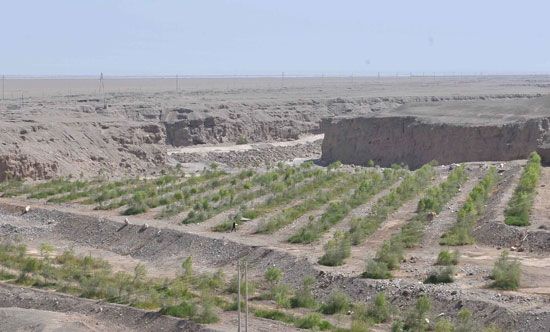
The river serves as a vital source of surface water, supporting the region’s biodiversity by sustaining its wetlands. These aquatic environments provide a critical habitat for numerous migratory birds. Furthermore, the river acts as a natural buffer against desertification, helping to maintain land productivity in this otherwise arid environment.1
While the river is a lifeline for the Sistan va Baluchistan province in Iran, its ecological health and the water levels in the basin have been subject to long-standing geopolitical tensions, drought, and infrastructure projects that impact the flow of water into the basin.1
Where is the Helmand River located, and what countries does it flow through?
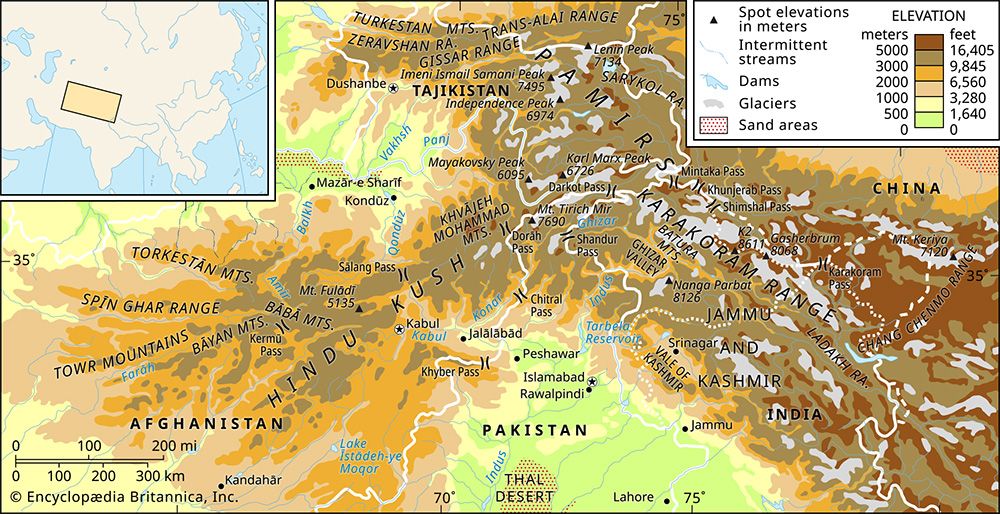
The Helmand River is located in southwestern Afghanistan and eastern Iran. Stretching approximately 715 miles (1,150 km), it is the longest river in Afghanistan.1
The river originates in the Bābā Range of the Hindu Kush mountains in east-central Afghanistan. It flows southwestward across more than half the length of the country, passing through provinces such as Orūzgān, Helmand, and Nimruz. After traversing Afghanistan, the river flows northward for a short distance through Iranian territory before emptying into the Sīstān basin, a system of lakes, marshes, and swamps situated on the Afghan-Iranian border.1
How does the Helmand River impact international relations between Afghanistan and Iran?
The Helmand River has been a source of significant geopolitical tension between Afghanistan and Iran since the 1870s, when the British colonial government demarcated the border. Because the river’s upper reaches and major tributaries are located within Afghanistan, the downstream Iranian region of Sīstān—which relies heavily on the river for agriculture and drinking water—remains vulnerable to upstream water management.1
Efforts to resolve these tensions have faced repeated setbacks. Although a 1973 water-sharing treaty was signed to guarantee Iran a specific flow of water, it was never fully implemented due to regional political instability, including the 1973 Afghanistan coup, the Iranian Revolution, and the Soviet invasion of Afghanistan.1
In recent decades, drought and the construction of dams in Afghanistan have further complicated the relationship. Tensions escalated in May 2023 when Iranian officials accused the Taliban-led government of restricting water flow, leading to deadly border clashes between the two nations.1
What is the length of the Helmand River, and where does it originate?
The Helmand River is approximately 715 miles (1,150 km) long. It originates in the Bābā Range of the Hindu Kush mountains, located in east-central Afghanistan.1
Sources
- Helmand River — Encyclopædia Britannica
- Sīstān — Encyclopædia Britannica
Published on · 2 min read